



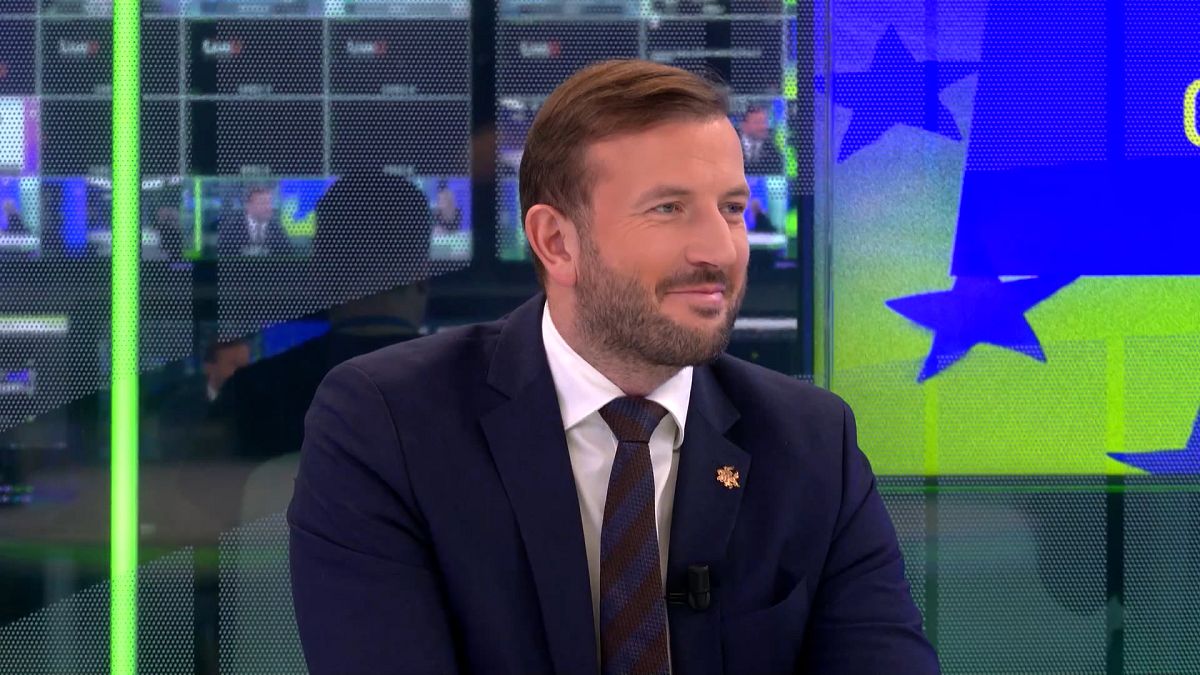
Putin has employed aggressive tactics in Ukraine, leading to significant casualties among Russian troops. The use of “meat grinder” tactics involves pushing thousands of troops to the Ukrainian defense lines to deplete their resources. Despite the heavy losses, Putin has managed to avoid conscripting troops from major cities like Moscow and St. Petersburg. Instead, he enlisted around 10,000 North Korean troops to fight in Ukraine, alleviating some pressure from the approximately 1,000 Russian troops lost daily on the battlefield. Former European Commissioner Virginijus Sinkevičius emphasized that the West should not feel “war fatigue” as Ukraine continues to face the full-scale invasion by Moscow.
According to UK defense ministry estimates, Russia lost approximately 70,000 troops in May and June alone, highlighting the devastating impact of the conflict in Ukraine. Sinkevičius expressed concern about the lack of a coherent response and support from Europe for Ukrainian President Volodymyr Zelenskyy’s victory plan. He emphasized the importance of not underestimating Russia’s military capabilities and the unpredictable nature of the conflict. Sinkevičius pointed out that the West must be aware of the potential consequences of Russia’s escalating aggression in Ukraine and the impact on regional stability.
Despite the ongoing war in Ukraine, Sinkevičius noted that Ukrainians continue to defend their country fiercely despite significant personal losses. He urged Europe to show more support for Ukraine and to remain vigilant in the face of Russia’s increasing military presence and capabilities. Sinkevičius raised concerns about the restrictions on how Ukraine can use the weapons provided by the West and the challenges in recruiting additional troops to bolster their defenses. He emphasized the need for a unified and proactive approach from European leaders to address the escalating conflict and prevent further destabilization in the region.
The deployment of North Korean troops to fight in Ukraine highlights the complex and evolving nature of the conflict, with Russia utilizing various tactics to maintain its military presence in the region. The use of prisoners and conscripts from distant regions, as well as troops from foreign countries, demonstrates the extent to which Putin is willing to go to achieve his objectives in Ukraine. Sinkevičius emphasized that the West cannot afford to be complacent or to underestimate the threat posed by Russia’s actions in Ukraine. He underscored the importance of remaining vigilant and responsive to the changing dynamics of the conflict to prevent further escalation and protect regional stability.
As Ukraine enters its third year of facing Russia’s full-scale invasion, Sinkevičius warned against allowing “war fatigue” to set in among European leaders. He urged Europe to step up its support for Ukraine and to be more proactive in countering Russia’s aggressive tactics. The ongoing conflict in Ukraine and the involvement of foreign troops highlight the urgent need for a coordinated and robust response from the international community to address the escalating situation. Sinkevičius stressed the importance of not underestimating the risks posed by Russia’s actions and the need for a unified effort to prevent further bloodshed and instability in the region.