



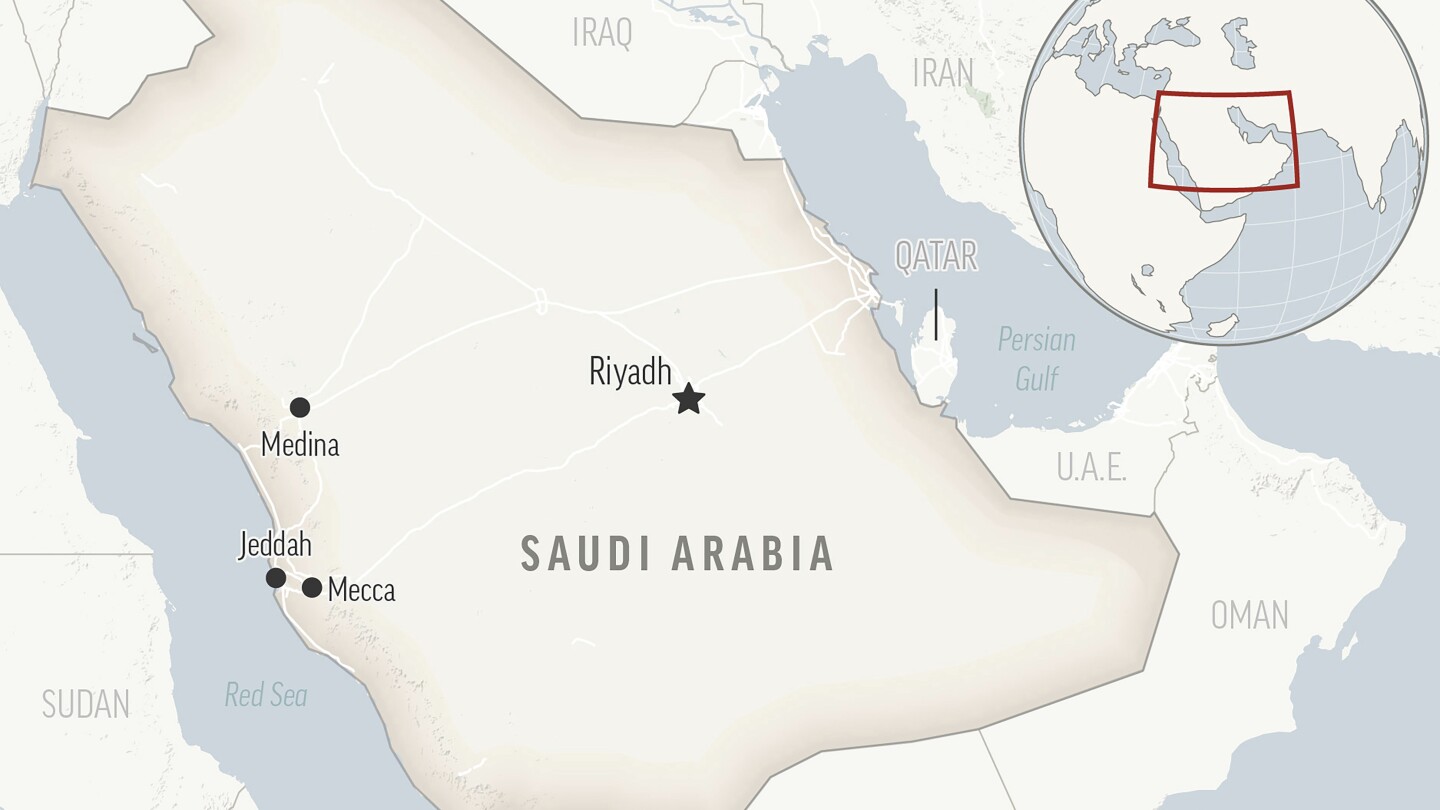
Saudi Arabia has confirmed that a female fitness instructor, Manahel al-Otaibi, received an 11-year prison sentence, but did not specify her alleged “terrorism offenses.” The kingdom insisted that the charges against al-Otaibi were unrelated to her online presence. Human rights activists argue that this case demonstrates the limitations on freedom of expression in Saudi Arabia. Al-Otaibi’s conviction highlights the ongoing challenges faced by individuals who express their views online, including advocating for the end of the male guardianship system in Saudi Arabia.
Amnesty International and ALQST, a London-based human rights advocacy group focused on Saudi Arabia, issued joint statements regarding al-Otaibi’s prison sentence. The statements criticized the lack of transparency in the legal process and the vague nature of the charges brought against her. Al-Otaibi’s online activities, including advocating for liberal dress codes for women and LGBTQ+ rights, were cited as evidence in her case. The court accused her of defaming the kingdom, calling for rebellion against public order, and challenging societal traditions and customs.
The court documents revealed that al-Otaibi faced charges related to her appearance in videos wearing “indecent clothes” and advocating for the abolition of Saudi Arabia’s male guardianship laws. She has been in detention since November 2022. Al-Otaibi’s case has drawn attention to the complex dynamics surrounding freedom of expression in Saudi Arabia, a country that has undergone some liberalization under Crown Prince Mohammed bin Salman since 2018. Despite some progress, the government continues to crack down on dissent and online activism, as seen with the imprisonment of al-Otaibi and other activists.
The Saudi government’s letter to the United Nations emphasized that the exercise and defense of rights is not a crime under Saudi law. However, it denounced attempts to legitimize terrorist activities under the guise of defending rights. This statement reflects the government’s stance on maintaining national security and stability while also acknowledging the importance of upholding individual rights. Critics argue that the vague and broad charges brought against individuals like al-Otaibi are being used to suppress dissent and stifle opposition to government policies.
Since 2018, Saudi Arabia has implemented some reforms, including allowing women to drive and lifting certain restrictions on social activities. However, the continued repression of activists on social media and the imprisonment of individuals like al-Otaibi raise concerns about the sustainability of these reforms. The case of al-Otaibi sheds light on the ongoing challenges faced by women and activists in Saudi Arabia who advocate for progressive change and challenge traditional norms. The international community has called for transparency and due process in cases like al-Otaibi’s to ensure that individuals are not unjustly targeted for their views and online activities. It is a reminder of the complexities of navigating freedom of expression in a country undergoing rapid socio-political changes.