





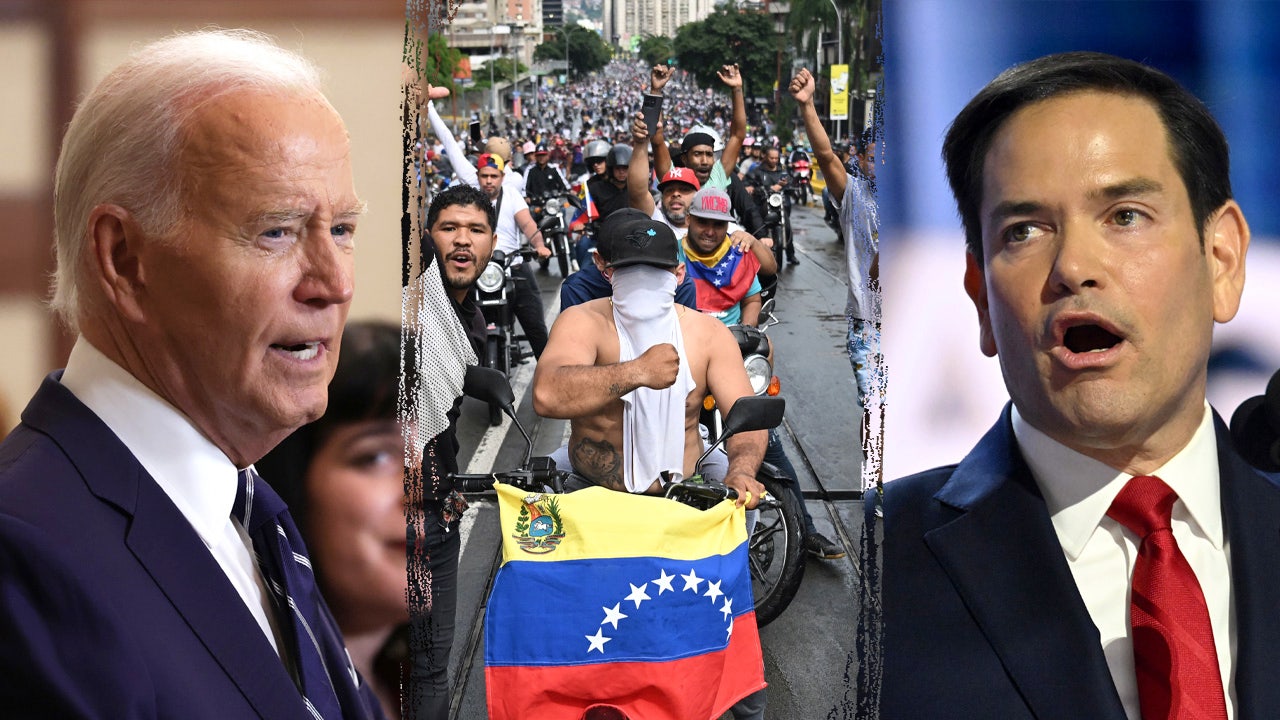
Sen. Marco Rubio criticized the Biden administration’s handling of Venezuelan President Nicolas Maduro, arguing that it has emboldened his regime and reinforced his strongman image. Rubio believes that the people surrounding President Biden and Vice President Kamala Harris are misguided in thinking that negotiations can lead to positive outcomes with authoritarian leaders like Maduro. He emphasized that there is no diplomatic solution when dealing with authoritarians who are focused on maintaining power. Anti-government protests erupted following the disputed late July presidential election, with opposition candidate Edmundo Gonzalez being declared the rightful winner by the Biden administration.
Maduro claimed victory in the election which sparked protests from Venezuelans who believed the election was unfair. The United States sided with the opposition, declaring Gonzalez the legitimate winner based on overwhelming evidence. The U.S. helped broker the Barbados Agreement between Maduro and opposition parties with the goal of achieving free and fair elections in exchange for sanctions relief. However, Maduro reneged on the agreement by suspending primaries just one month after signing it. The State Department allowed sanctions relief to expire in April after Maduro failed to follow through on commitments outlined in the agreement.
A National Security Council spokesperson clarified that the Barbados Agreement was not a “quid pro quo” situation, but rather an adjustment of the sanctions policy inherited from the previous administration. The spokesperson asserted that changes were made to show Maduro that progress was possible if commitments were honored, but swift action would be taken if obligations were not met. Venezuelan foreign policy expert Jorge Jraissati criticized the Biden administration for its lack of a coherent strategy towards Venezuela, which has allowed Maduro to strengthen his position both internationally and financially. Jraissati stressed the need for a strategic and comprehensive approach to bringing about freedom and change in Venezuela.
Jraissati emphasized the importance of leveraging America’s resources, including the expertise of its brightest minds, to address the crisis in Venezuela effectively. He called for a foreign policy doctrine that combines economic tools with national security considerations to bring about meaningful progress in the country. The State Department did not respond to requests for comment on the situation in Venezuela, leaving many observers concerned about the lack of a clear and effective approach to dealing with the Maduro regime. Rubio and other critics argue that a tougher stance is needed to address the authoritarian tactics employed by Maduro and his supporters in Venezuela.