




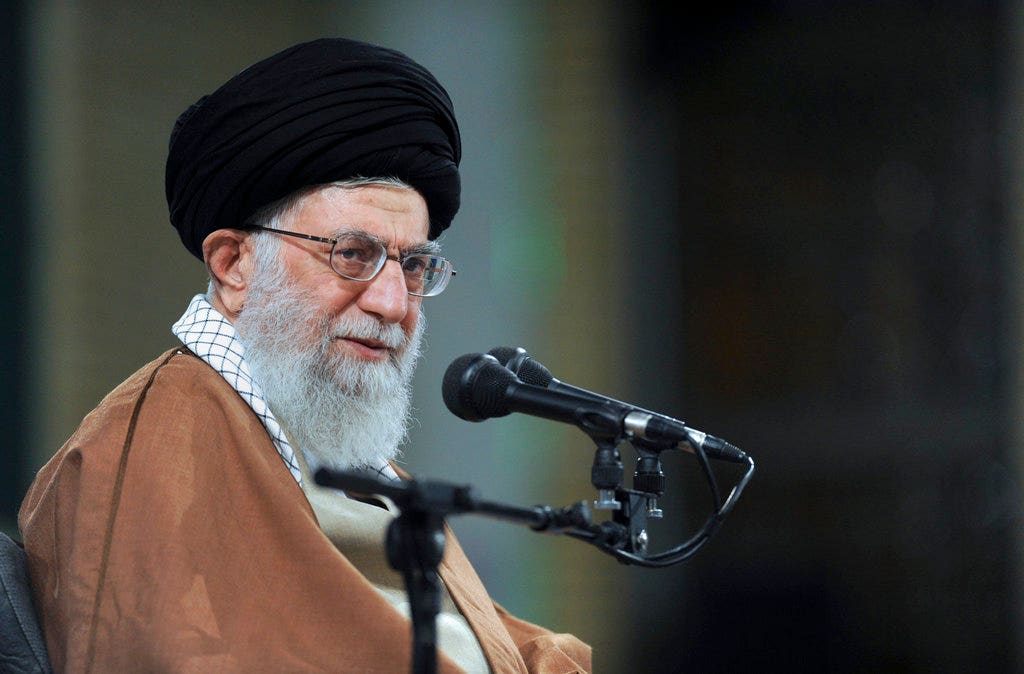
Ayatollah Ali Khamenei has ordered Iranian forces to launch a “direct” attack against Israel, following the assassination of Hamas’ leader, Ismail Haniyeh, in Tehran. Iranian officials have confirmed the situation to The New York Times, with Tehran blaming the Israel Defense Forces for Haniyeh’s death. In response, Khamenei vowed to avenge the assassination, stating that Israel has prepared the ground for severe punishment. The White House has not independently verified Haniyeh’s death as of Wednesday afternoon.
Foreign analyst Lisa Daftari noted that the assassination was not just an attack on Hamas, but also on the Islamic Republic itself, given Haniyeh’s close ties to Iran. In the eyes of the regime, the incident was seen as a direct assault on their sovereignty. The commanding officer of the Israeli Air Force, Maj. Gen. Tomer Bar, issued a statement warning that Israel is prepared to strike anywhere necessary to protect its citizens. This escalation in tensions comes amidst ongoing conflict between Israel and Iran’s allies in the region.
Israeli Prime Minister Benjamin Netanyahu framed the situation as a fight against Iran’s “axis of evil” and described it as an existential threat to Israel. Following Israel’s recent strike in Beirut, Netanyahu emphasized that his country is prepared for any scenario and will not hesitate to respond to aggression. He reiterated that Israel will not tolerate any threat to its citizens and will exact a heavy price for any acts of aggression against the country. The region is on high alert as tensions continue to escalate.
The news of Khamenei’s command for a direct attack against Israel has raised concerns about the potential for further violence in the region. The situation remains volatile as both sides are prepared for confrontation. The assassination of Haniyeh and its aftermath have escalated tensions, with both Iran and Israel making strong statements regarding their readiness to defend themselves and retaliate in the face of aggression. The international community is closely monitoring the situation, as any further escalation could have far-reaching consequences in the Middle East.
The ongoing conflict between Iran and Israel is intertwined with regional power dynamics and the broader geopolitical landscape in the Middle East. The recent events highlight the complex web of alliances and enmities that shape the region’s politics. The assassination of Haniyeh and the subsequent threats from both Iran and Israel underscore the high stakes involved in this conflict. The potential for further violence and destabilization in the region is a cause for concern for both regional actors and the international community.
As the situation continues to unfold, it is crucial for all parties involved to exercise restraint and seek peaceful resolutions to their disputes. The international community must work towards de-escalating tensions and preventing any further violence in the region. Diplomatic efforts and dialogue are essential in order to avoid a further deterioration of the situation and to prevent a wider conflict from erupting. The coming days will be critical in determining the path ahead for Iran, Israel, and the broader Middle East region.