




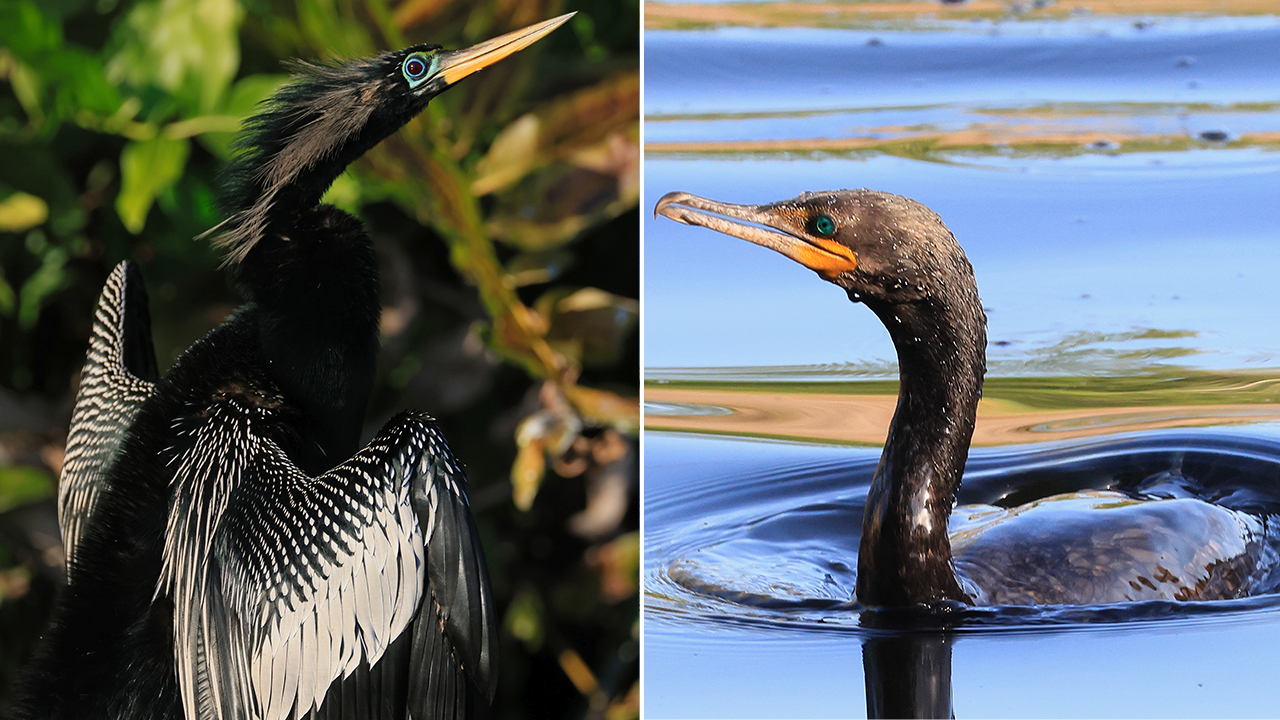
Maine residents have been reporting sightings of an anhinga bird, also known as the “devil bird,” in various areas around the Pine Tree State. The Maine Audubon Society has confirmed through social media posts that some people have spotted the bird in certain locations. A woman even shared a photo of the bird on a Maine wildlife Facebook group, sparking further comments and discussion. According to the bird reporting website eBird, there have been 39 confirmed sightings of anhingas in Maine, which is considered rare as the birds are typically found in southern regions like Florida, Texas, and the Southeast.
The nickname “devil bird” comes from the Brazilian Tupi language, referring to the distinctive features of the anhinga bird. These birds have long, narrow necks and dagger-pointed bills, along with white markings on the upper side of their wings. Despite being primarily found in southern regions, the anhinga has been observed by multiple people in several Maine communities from July 24 through July 26. This is believed to be a singular bird that multiple people have observed, rather than multiple individuals. With many birds beginning to migrate south for the winter, it is considered the “rarity season” when unexpected bird sightings can occur.
The Cornell Lab of Ornithology, based in Ithaca, New York, is managing the eBird website and has provided information about the anhinga bird. These birds are known for their unique swimming behavior, where they stealthily swim underwater with only their snakelike head above the surface, hunting fish with their daggerlike bill. The Maine Audubon Society’s Staff Naturalist, Doug Hitchcox, mentioned that this time of year tends to bring about unusual bird sightings as many species begin their migration for the winter. This can lead to a variety of bird species appearing in different locations, making it an exciting time for birdwatchers and enthusiasts.
The rarity of the anhinga sightings in Maine has caught the attention of wildlife enthusiasts and birdwatchers. While these birds are more commonly found in warmer southern regions, their appearance in Maine has sparked interest and excitement among the local community. The Maine Audubon Society is likely to continue monitoring these sightings and gathering information about the presence of anhingas in the state. This unexpected bird sighting serves as a reminder of the diversity and adaptability of bird species, as they can often be found in unexpected locations during migration seasons.
It is important for birdwatchers and wildlife enthusiasts to remain vigilant and report any unusual bird sightings to organizations like the Maine Audubon Society. The data collected from these sightings can help conservation efforts and provide valuable information about bird behavior and migration patterns. As more individuals report their observations and share photos online, the birdwatching community can continue to learn about and appreciate the beauty of different bird species in diverse habitats. The presence of anhingas in Maine demonstrates the importance of protecting and conserving wildlife habitats to ensure the survival of various bird species in different regions.
Overall, the recent sightings of anhingas in Maine have captured the attention of birdwatchers and wildlife enthusiasts, highlighting the diversity and adaptability of bird species during migration seasons. The rarity of these sightings in Maine adds to the excitement and wonder of birdwatching, as individuals have the opportunity to observe unique and unexpected bird species in their natural habitats. By reporting and sharing sightings with organizations like the Maine Audubon Society, individuals can contribute to the understanding and conservation of bird species, ensuring their protection for future generations to appreciate and enjoy.