




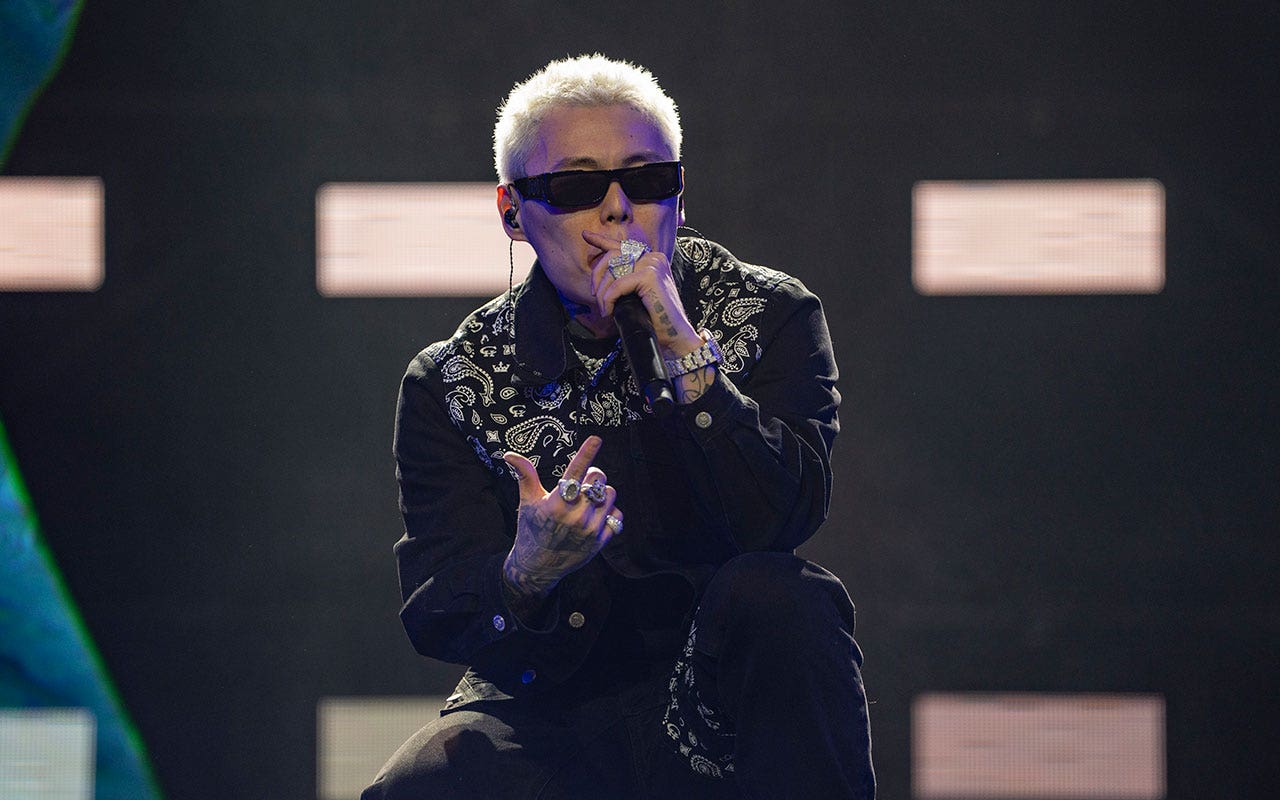
Hip-hop in China has seen a surge in popularity in recent years, with the TV show “The Rap of China” playing a significant role in popularizing the genre across the country. However, government regulations imposed restrictions on the content that could be featured, leading to concern among fans and artists that hip-hop in China may be coming to an end. Despite this setback, the genre experienced a resurgence, with artists finding ways to continue their creative expression while adhering to the censorship guidelines.
Chengdu, a city in southwestern China, has become a hub for hip-hop in the country, producing some of the biggest acts in Chinese rap today. Artists from Chengdu have managed to blend traditional Sichuanese dialect with Mandarin, creating a unique sound that has resonated with audiences. The city’s welcoming atmosphere has attracted artists from all over, contributing to the growth of the hip-hop scene in China.
“The Rap of China” has been instrumental in shaping the Chinese rap industry, with the first season drawing millions of viewers and introducing audiences to a new generation of hip-hop stars. Despite facing challenges from government censors, the show has evolved to align with the guidelines while still allowing hip-hop to thrive in China. Artists have had to find ways to navigate the restrictions while maintaining their creative integrity.
With Chinese rap facing tight censorship on topics like drugs and sex, artists have had to adapt their lyrics and content to fit within the government’s guidelines. Some artists have embraced patriotism and nationalism in their music, while others have focused on more everyday topics to stay true to their creative vision. Developing a genuine Chinese brand of rap remains a work in progress as artists strive to find a balance between authenticity and compliance with regulations.
As hip-hop continues to grow in China, artists are optimistic about the future, with many looking forward to a new golden age for the genre. The underground rap scene may have disappeared due to censorship, but the mainstream scene has expanded, offering more opportunities for artists to thrive. By finding ways to express themselves within the constraints of censorship, Chinese rappers are carving out a space for hip-hop in their country while staying true to their roots and creative vision.