




Chances of restarting formal talks to mend Cyprus’ ethnic division appeared to be dwindling as Turkish Cypriot leader Ersin Tatar expressed his belief that there is no common ground with Greek Cypriots for a return to negotiations. Tatar emphasized that talks cannot happen unless separate Turkish Cypriot sovereignty in the island’s northern third gains the same international recognition as the Cyprus Republic in the Greek Cypriot south. He insisted that a permanent Turkish military presence and military intervention rights are essential for any peace deal, disregarding Greek Cypriot attempts to exclude Turkey from the settlement equation.
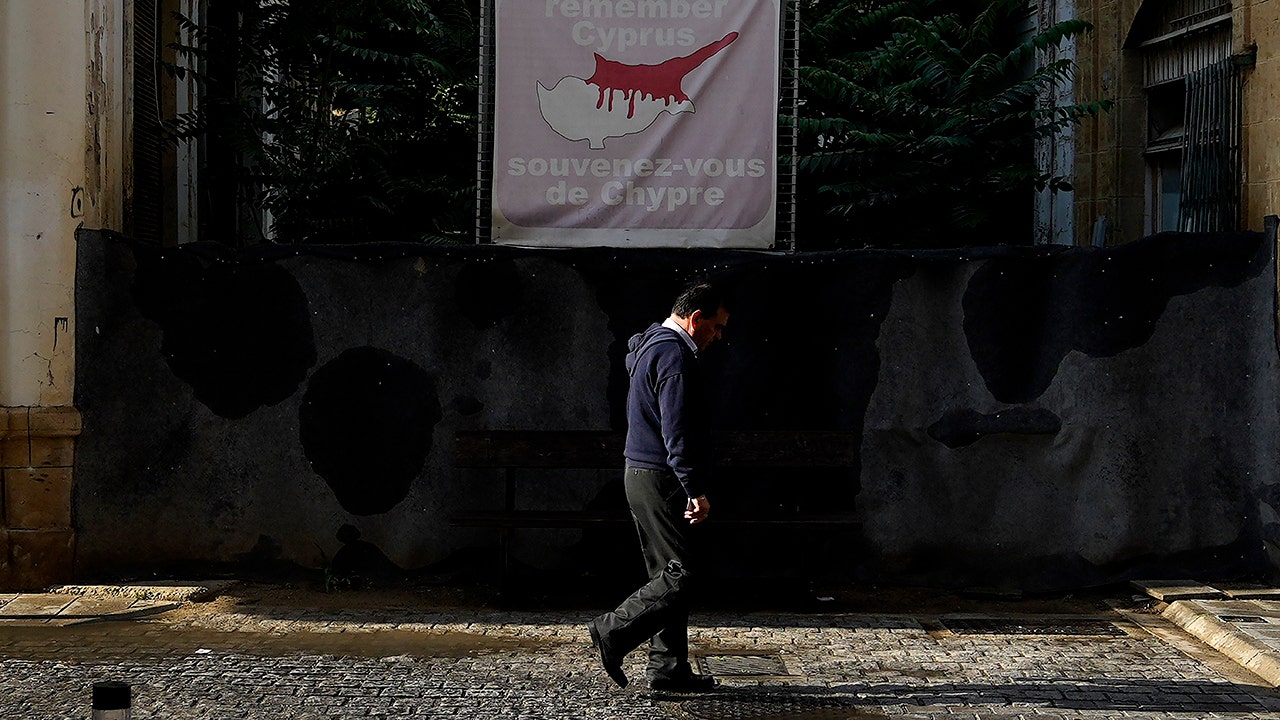
Tatar’s stance remains consistent with his beliefs since taking power in 2022, despite months of shuttle diplomacy by U.N. envoy María Ángela Holguín Cuéllar. The fact that Tatar remains unyielding poses challenges for restarting talks, as formal negotiations have been elusive since the last major push for a deal collapsed seven years ago. The island of Cyprus has been divided along ethnic lines since 1974, following a Turkish invasion and coup aimed at uniting the island with Greece. Turkey recognizes the Turkish Cypriot declaration of independence, while Cyprus, an EU member, only enjoys full membership benefits in the south.
Holguín, appointed earlier this year to assess the prospects of resuming talks, has refrained from discussing her contacts but noted her surprise at Tatar’s rejection of a three-way meeting proposal with Greek Cypriot President Nikos Christodoulides. She is expected to submit a report to U.N. Secretary-General António Guterres soon, outlining her findings after five months of engagement. Despite Tatar’s reluctance to engage in talks, Christodoulides remains optimistic and believes that efforts for a resumption of negotiations should be allowed to continue, emphasizing the importance of diplomacy.
Tatar’s insistence on Turkish military presence and intervention rights as prerequisites for a peace deal further complicates the path to reunification of Cyprus, as it clashes with Greek Cypriot demands for a unified federation without permanent Turkish troops or intervention rights. The majority of Greek Cypriots reject a two-state deal formalizing partition, advocating instead for a federation consisting of Turkish Cypriot and Greek Cypriot zones, as endorsed by the U.N. framework. Holguín’s efforts to facilitate dialogue between the two sides have been met with resistance from Tatar, raising doubts about the prospects of restarting formal negotiations in the near future.
The ongoing deadlock in Cyprus underscores the deep-rooted divisions that continue to impede progress towards a lasting peace agreement. Tatar’s unwavering stance on Turkish Cypriot sovereignty and military presence, coupled with Greek Cypriot rejection of a partition deal, highlights the complex dynamics at play in the decades-long ethnic conflict. Despite diplomatic efforts by Holguín and calls by Christodoulides for patience and continued dialogue, the path to reunification remains fraught with obstacles, underscoring the challenges of bridging the gap between the two sides. As the international community awaits Holguín’s report and the next steps in the peace process, the future of formal negotiations in Cyprus remains uncertain, with key issues of sovereignty, military presence, and intervention rights continuing to be major points of contention between Turkish and Greek Cypriots.