





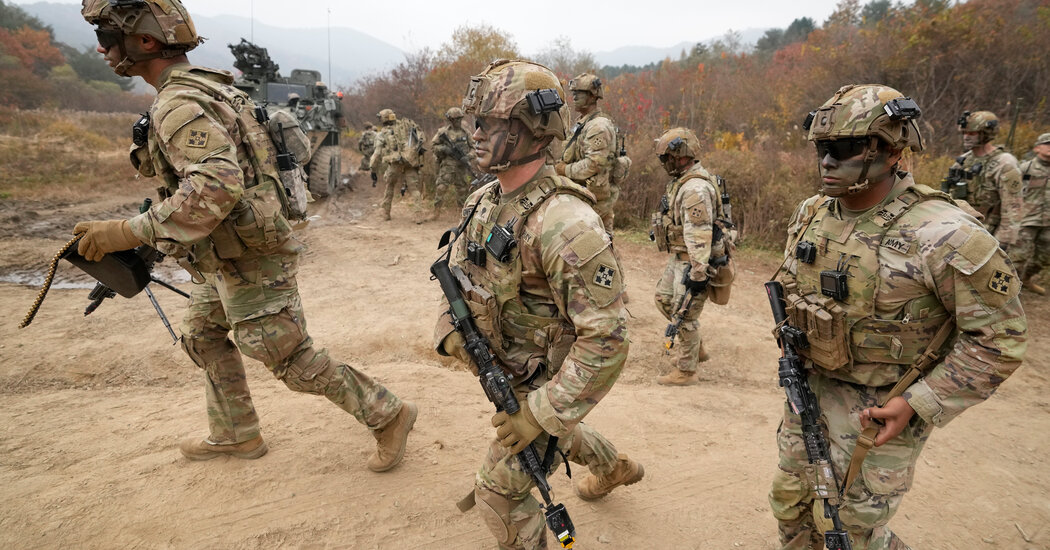
Lawmakers from both parties are putting forth a comprehensive bill called the Blast Overpressure Safety Act that would require the military to track and limit troops’ exposure to damaging shock waves from firing their own weapons. Research has shown that repeated exposure to blasts can cause microscopic brain injuries leading to mental health issues like mood swings, insomnia, substance abuse, panic attacks, and suicide. The bill, supported by Senators Elizabeth Warren and Joni Ernst, as well as Representative Ro Khanna, aims to address this issue by recording individual blast exposures, conducting neurocognitive tests, training medical personnel on recognizing blast injuries, and modifying weapons to reduce blast strength.
The Defense Department has been criticized for not taking traumatic brain injuries from blasts seriously enough. The military’s current guidelines on safe blast strength are considered flawed, with many troops experiencing blast injuries despite exposure to weapons within the guideline’s limits. The proposed bill would require the military to update these guidelines, publicly post blast intensity data for weapons, and consider minimizing brain-damaging blast waves when acquiring new weapons.
Even though previous laws aimed to address blast exposure, the military’s response has been slow and bureaucratic. The new bill includes a provision for an outside audit to assess what the military is doing to address blast exposure risks and determine which military occupations are most at risk. Troops seeking help for their injuries also face potential retaliation, which the bill aims to address and prevent. The ultimate goal is to take concrete actions to protect troops and improve their health and well-being.
Soldiers and Marines who work with heavy weapons have reported seeing few changes in the field related to blast exposure. Career soldiers, who often receive the most exposure, may start exhibiting erratic behavior late in their careers, which could be misinterpreted by commanders and medical workers as misconduct rather than symptoms of brain injury. Many affected troops are punished, forced out of the military, and denied veterans’ medical benefits. The bill aims to address these issues and ensure that troops receive the necessary support and care for blast-related injuries.
The proposed legislation would require the military to begin recording troops’ individual blast exposures, conduct regular neurocognitive tests, train medical personnel to recognize blast injuries, modify weapons to reduce blast strength, update blast exposure guidelines, and publicly disclose blast intensity data for weapons. An outside audit by the Government Accountability Office would assess the military’s actions to address blast exposure risks and determine the most at-risk military occupations. The bill seeks to protect troops from the damaging effects of blast waves, improve their health and well-being, and prevent retaliation against troops seeking help for blast-related injuries. Senator Warren emphasized the importance of taking immediate action to address the problem and provide support for affected troops.