





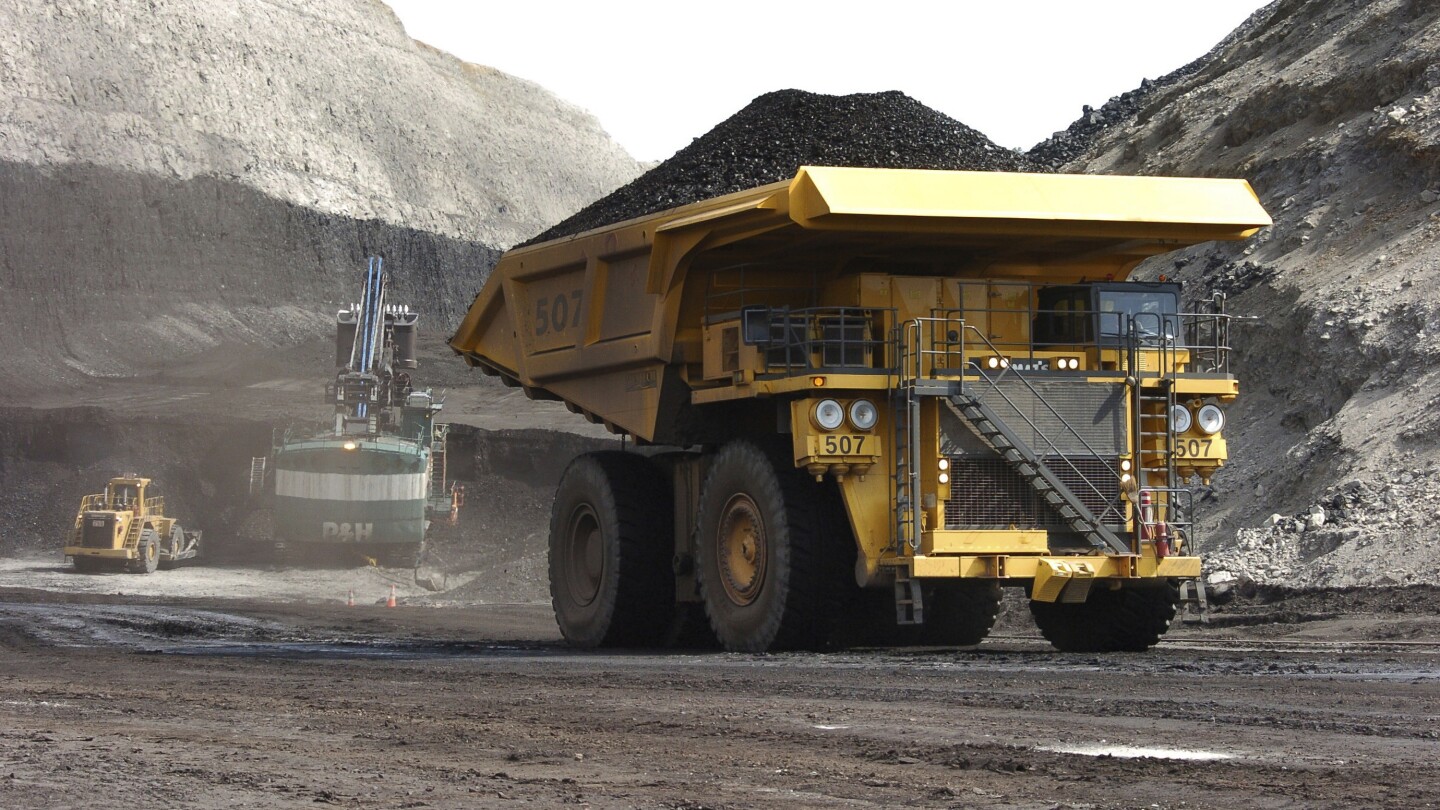
The Biden administration has proposed an end to new coal leasing from federal reserves in the Powder River Basin area of Wyoming and Montana, in an effort to limit greenhouse gas emissions. The proposal is in response to a court order that criticized Trump-era land management plans for failing to consider climate change and public health impacts of burning coal. The plans would halt further coal leasing while preserving existing leases, with mining expected to continue from existing leases through 2041 in Wyoming and 2060 in Montana.
The proposal drew criticism from Republicans in Congress, who argue that the move will harm domestic energy sources and cost coal jobs and revenue for the states. However, environmentalists see the proposal as a positive shift away from the nation’s reliance on coal extraction. The coal industry in the region has already been facing challenges due to competition from renewable energy and natural gas, leading to a significant drop in mining volumes over the past two decades. The proposal is seen as a step towards reducing greenhouse gas emissions from burning coal, equivalent to the annual emissions of millions of vehicles.
The decision to end new coal leases would have a significant impact on the coal industry, reducing emissions by millions of tons of carbon dioxide annually. It marks a historic shift in the nation’s coal program, which has allowed companies to extract large amounts of coal from Western states at low cost for decades. The Biden administration’s proposal is seen as a commonsense plan given the current state of the coal market and the competition from more affordable energy sources. Despite pushback from elected officials in Wyoming and Montana, the move aligns with efforts to reduce emissions and transition towards cleaner energy sources.
The proposal to end new coal leases from federal reserves has sparked debates over the future of the coal industry and its environmental impacts. While some argue that coal provides reliable power and supports the economy, others believe that transitioning away from coal is necessary to address climate change. The Biden administration’s plan is subject to a 30-day public protest period before becoming final, allowing for further input from stakeholders. The decision comes at a time when global coal production is on the rise, highlighting the need for a transition towards cleaner energy sources to mitigate the impacts of climate change.