





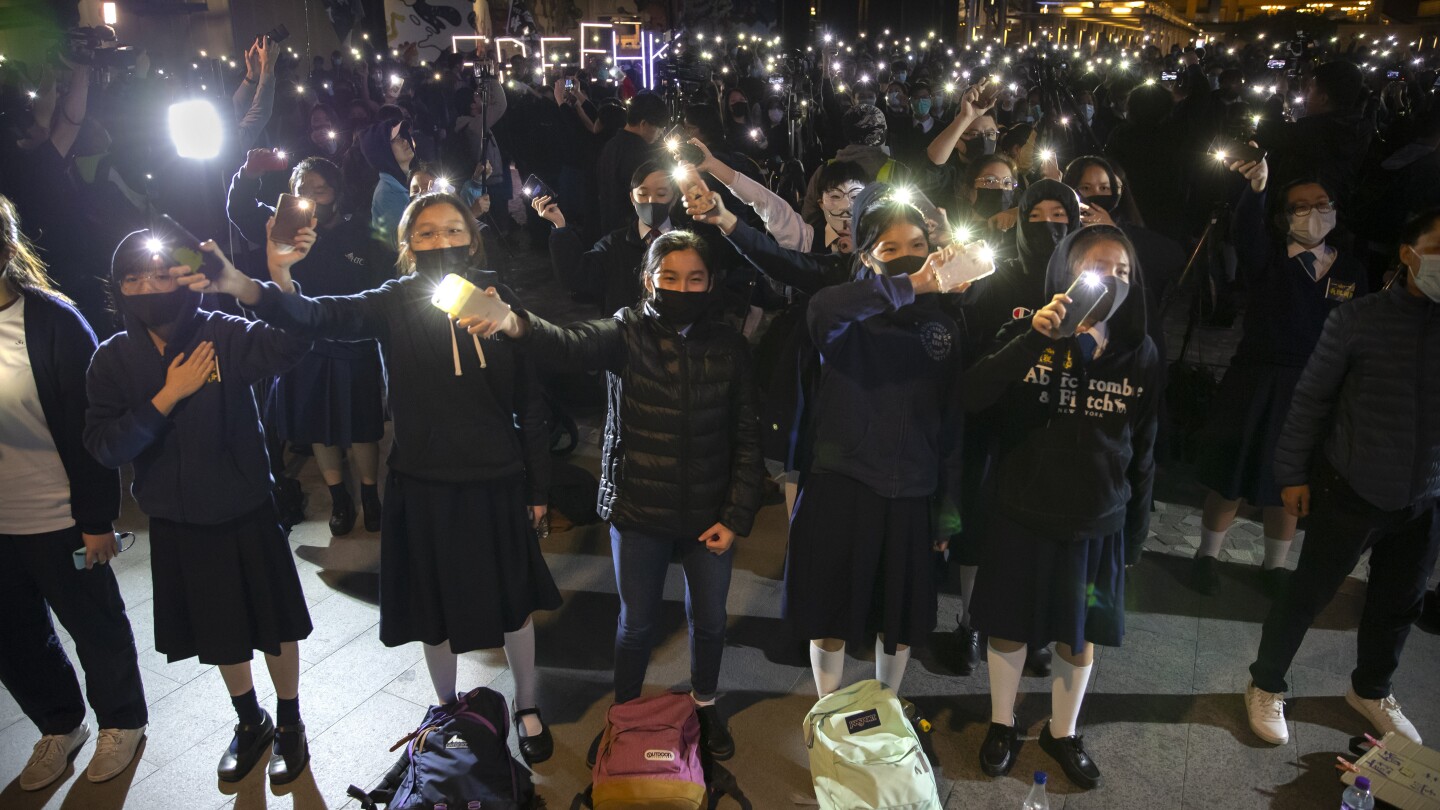
Dgxmusic, the group behind the popular protest song “Glory to Hong Kong,” has announced that the distributor of the song, EmuBands, has decided to remove the music from all platforms due to a court ban in the city. The song, which was widely sung by demonstrators during anti-government protests in 2019, has already been removed from iTunes, Apple Music, and some versions are unavailable on Spotify in Hong Kong. However, Dgxmusic has stated that the song itself is not banned by the court injunction and they hope to have it reinstated soon. EmuBands, based in Glasgow, has not yet commented on the situation. The ban has raised concerns over freedom of expression and internet freedom in Hong Kong, as well as the city’s appeal as a global financial hub.
YouTube recently blocked access to 32 videos of the song in compliance with the court order, deeming them as “prohibited publications” in Hong Kong. The tech company expressed disappointment with the court’s decision and stated that they would continue to consider their options. Hong Kong leader John Lee announced that the government will be monitoring internet platforms for any non-compliance with the court order, indicating a continued crackdown on dissenting voices in the city. “Glory to Hong Kong” is considered the anthem of the 2019 protest movement, which was met with a government crackdown that has stifled dissent in Hong Kong.
The song “Glory to Hong Kong” has been a point of contention between pro-democracy activists and city officials, as it has been played mistakenly as the city’s official anthem at international sporting events instead of China’s national anthem. This has angered officials, leading the government to take action against tech companies that have resisted pressure to promote China’s national anthem over the protest song. The ongoing dispute highlights the struggle for freedom of expression in Hong Kong and the extent to which the government is willing to go to suppress dissenting voices. The ban on the song reflects a broader trend of increasing censorship and control over information in the city.