




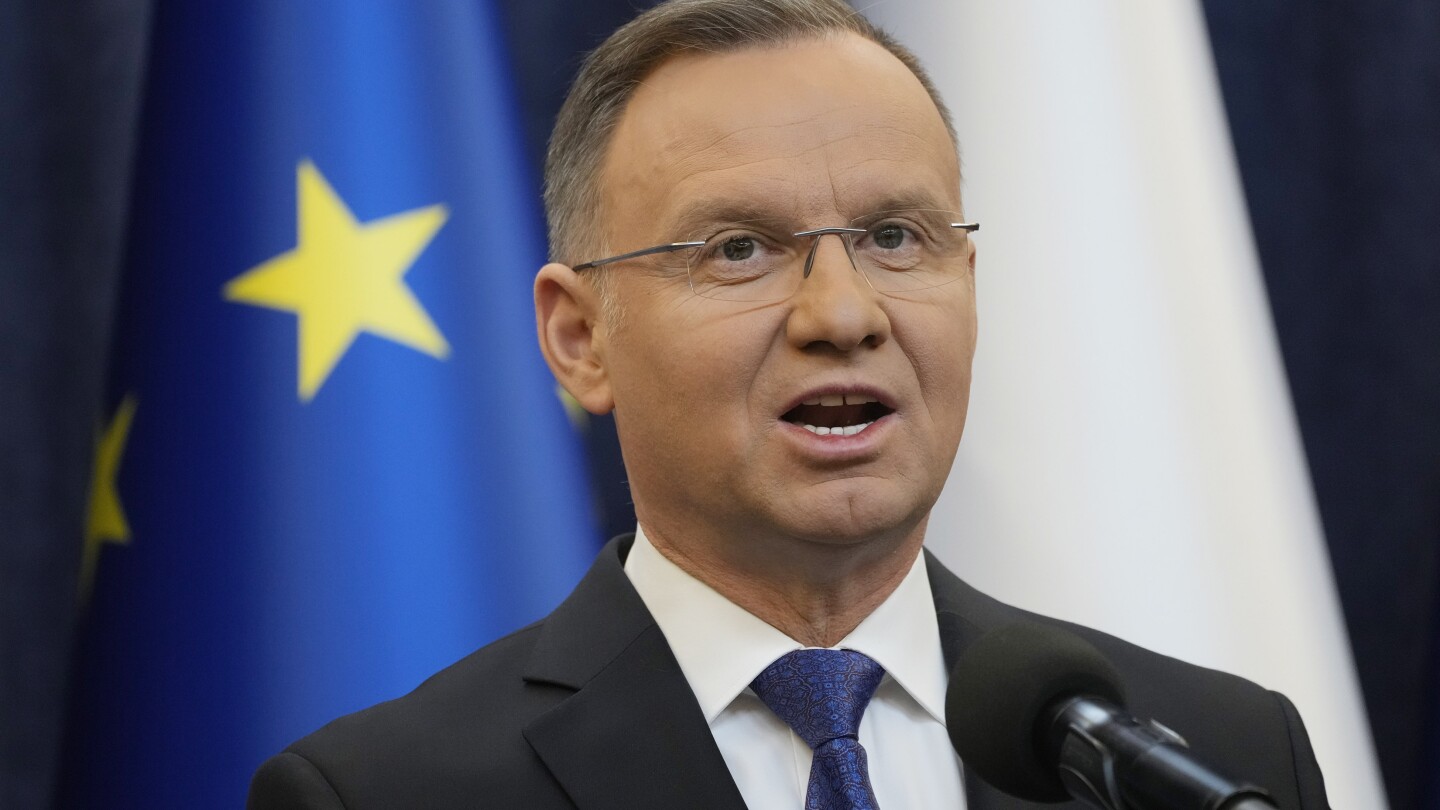
The President of Poland, Andrzej Duda, recently spoke with Congolese President Felix Tshisekedi in an effort to secure the release of a Polish traveler, Mariusz Majewski, who has been sentenced to life in prison in the Democratic Republic of Congo on charges of espionage. Majewski, who is 52 years old, was detained by Congolese forces in February and faced a military court, where he was accused of spying. The allegations against him included approaching the front line with militia groups, taking photos of sensitive areas, and observing military activities without authorization. Majewski was convicted last week and sentenced to life in prison, but details about his whereabouts have not been disclosed.
Majewski’s family has stated that he is in poor health and maintains that he is simply a traveler. Poland’s Foreign Ministry spokesperson, Pawel Wronski, stated that Majewski is not a spy but a member of a travelers club who happened to find himself in Congo due to a series of coincidental events. Wronski emphasized that Majewski’s behavior was a result of a lack of knowledge about local customs and expressed hope that he would not be implicated in the country’s political turmoil, including a recent coup attempt. Despite the difficult political situation in Congo, Polish authorities are working to secure Majewski’s release, as Poland does not have a diplomatic mission in the country.
The conversation between Presidents Duda and Tshisekedi did not reveal the outcome, but Duda’s aide, Wojciech Kolarski, emphasized the state’s obligation to assist its citizens in such distressing situations abroad. Majewski’s case highlights the challenges faced by travelers who find themselves in precarious situations in foreign countries, especially in regions experiencing political unrest and violence. The situation in Congo, where Majewski was sentenced, has been volatile, with ongoing intercommunal violence involving militia groups. The arrest and conviction of Majewski raise concerns about the safety and security of travelers in conflict-affected areas and the importance of diplomatic efforts to ensure their well-being.
Polish authorities have expressed concern for Majewski’s health and well-being, as well as his unfair treatment and unjust sentencing on espionage charges. The case has also drawn attention to the need for greater awareness and understanding of local customs and political situations when traveling abroad. The lack of a diplomatic presence in Congo poses challenges for Poland in advocating for its citizens caught in legal and political disputes in the country. As efforts continue to secure Majewski’s release, the case serves as a reminder of the risks associated with international travel and the importance of government intervention in protecting the rights and safety of its citizens abroad.