



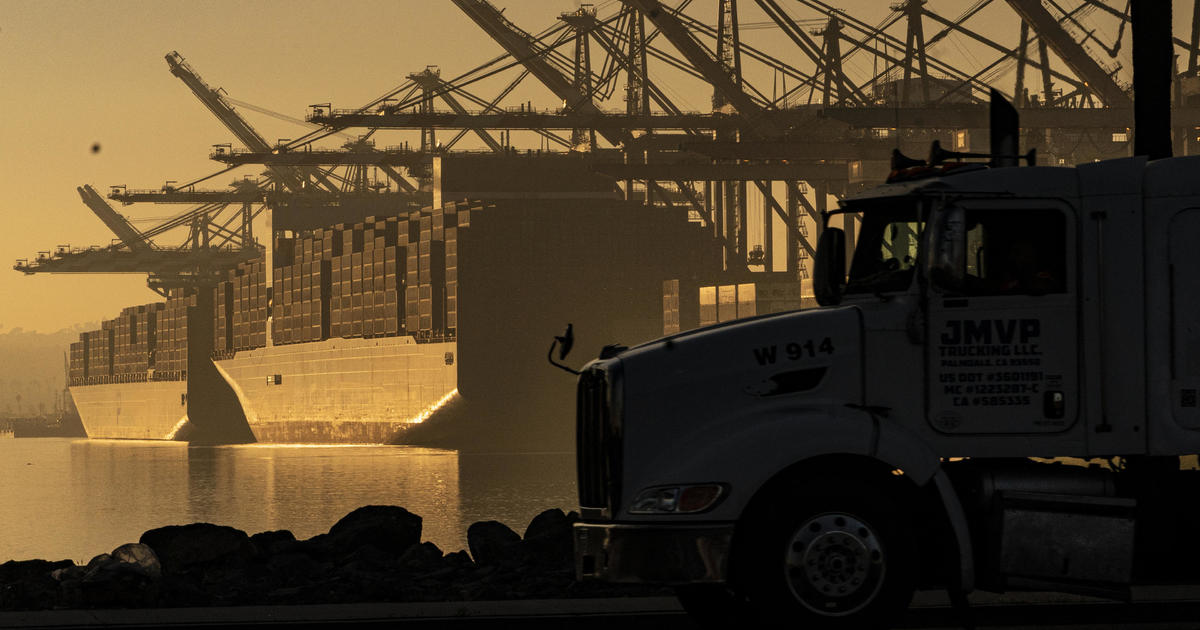
Approximately 45,000 dockworkers along the U.S. East and Gulf Coasts are threatening to strike on Oct. 1 in protest of the automation of their jobs. The International Longshoremen’s Union is demanding higher wages and a ban on the automation of cranes and container movements at 36 U.S. ports. The potential strike could disrupt the movement of cargo in and out of the United States, impacting the economy for years to come. If the strike continues for more than a month, consumers may start to notice shortages of certain products, although most holiday goods have already arrived from overseas.
The longshoremen’s union has not met with the United States Maritime Alliance for negotiations since June, and the contract is set to expire on Sept. 30. Union president Harold Daggett has warned of a strike if their demands are not met. The union is seeking significant wage increases to compensate for the long hours worked by some members. The Maritime Alliance is committed to avoiding a strike and has accused the union of having predetermined their decision to walk off the job. If a strike occurs, experts predict that consumers may experience inconvenience during the holiday shopping season, but it would not lead to major shortages of goods.
The longshoremen’s union may have leverage going into a presidential election, as political candidates are courting the labor vote. If the strike were to extend beyond a month, spot shortages of goods could arise, affecting industries such as automotive and pharmaceuticals. While some analysts do not expect President Biden to intervene, the possibility of a strike causing disruptions in the supply chain remains a concern. The union’s initial demands included a substantial pay raise over the course of a six-year contract to address the inflation spike of recent years.
The debate over automation at ports is a central issue for the longshoremen’s union. The union opposes the automation of job functions and fears that it could lead to layoffs. Studies on the impact of automation at ports have shown mixed results, with some predicting job cuts while others suggest that paid hours for union members have increased. U.S. ports lag behind international counterparts in automation, and analysts believe that without advancements in this area, they may become less competitive. Suggestions have been made for both sides to discuss the use of automation to complement human workers rather than replace them, but a final resolution on this issue is still far off.
In the event of a strike, West Coast ports may see an increase in freight as it is diverted from Eastern ports, particularly from Asia. However, the capacity of these ports and the U.S. rail system may not be sufficient to handle all the diverted cargo. The potential strike and its impact on the economy highlight the ongoing tension between labor demands, automation, and the need for efficient port operations to remain competitive on a global scale. The resolution of this conflict will have implications for the future of the shipping industry in the United States.