






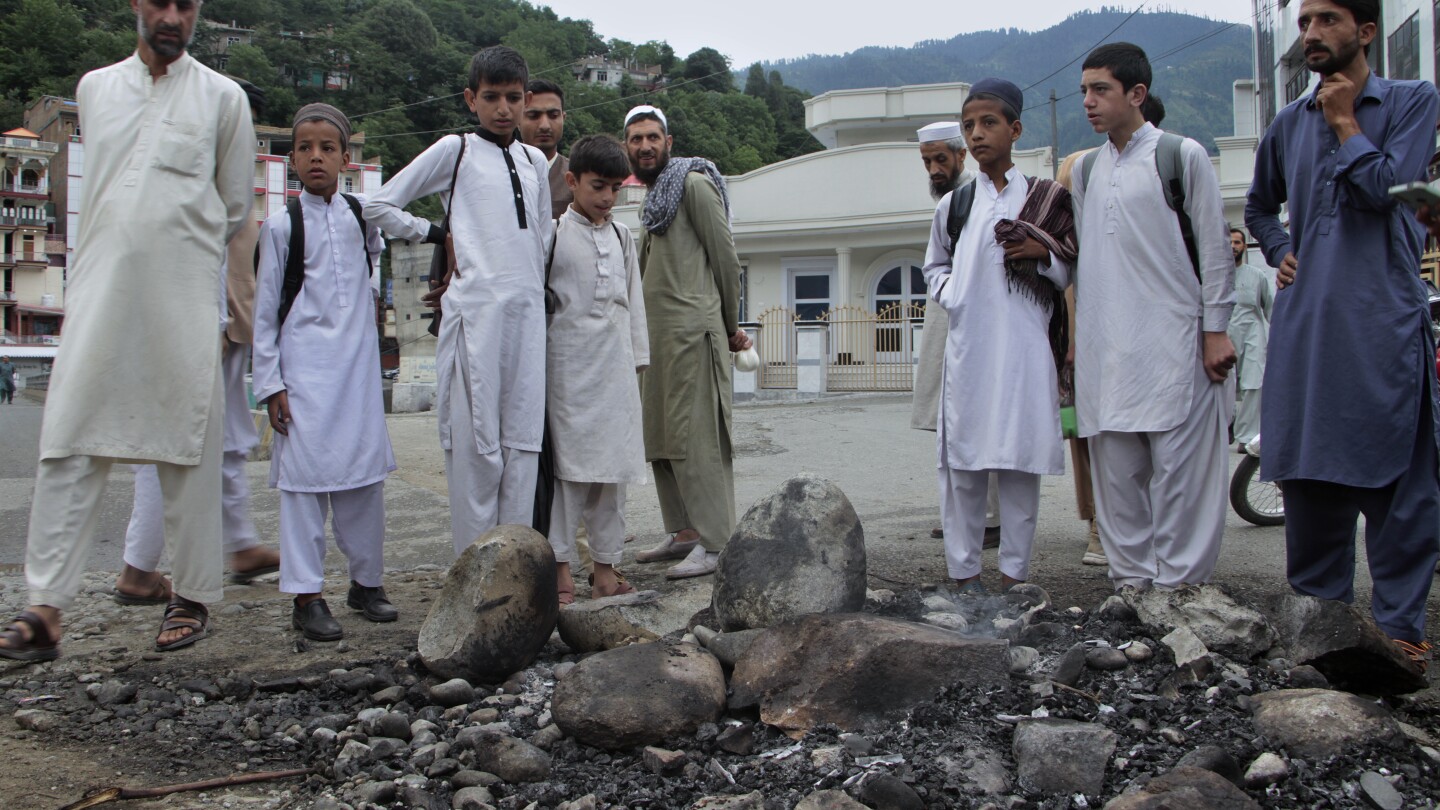
The incident in Madyan is just the latest example of the deadly consequences of blasphemy accusations in Pakistan. The country’s blasphemy laws have long been controversial and are often used to target religious minorities or settle personal vendettas. While no one has been executed for blasphemy in Pakistan, accusations can lead to violence and vigilante justice.
The attack in Madyan also highlights the lack of protection for suspects in blasphemy cases. Mohammad Ismail, the man accused of desecrating the Quran, was killed while in police custody. The mob was able to overpower the police and take matters into their own hands, resulting in a brutal and fatal attack. This raises questions about the ability of the authorities to handle such sensitive cases and protect the rights of the accused.
The incident has sparked outrage and condemnation from human rights organizations and activists in Pakistan. Calls for justice and accountability have been made, urging the government to take action against those responsible for the attack. The case has once again put a spotlight on the need for reforms in Pakistan’s blasphemy laws and the protection of minorities and vulnerable individuals.
The attack in Madyan has also brought attention to the issue of religious intolerance and extremism in Pakistan. The rise of religious fundamentalism and the use of blasphemy laws to target individuals have fueled tensions within the country. There is a pressing need for a more inclusive and tolerant society, where all citizens can practice their beliefs without fear of persecution or violence.
It is crucial for the Pakistani government to address the root causes of religious extremism and promote interfaith harmony. Initiatives to educate the public about tolerance and respect for religious diversity are essential in combating hatred and violence. Efforts to reform the blasphemy laws and ensure due process for suspects must also be prioritized to prevent further tragedies like the one in Madyan.
As the investigation into the attack continues, there is hope for justice and accountability for the perpetrators. The international community, including human rights organizations and foreign governments, must also continue to monitor the situation and advocate for the protection of religious minorities and vulnerable individuals in Pakistan. Only through collective efforts and a commitment to tolerance and justice can Pakistan move towards a more peaceful and inclusive society.