




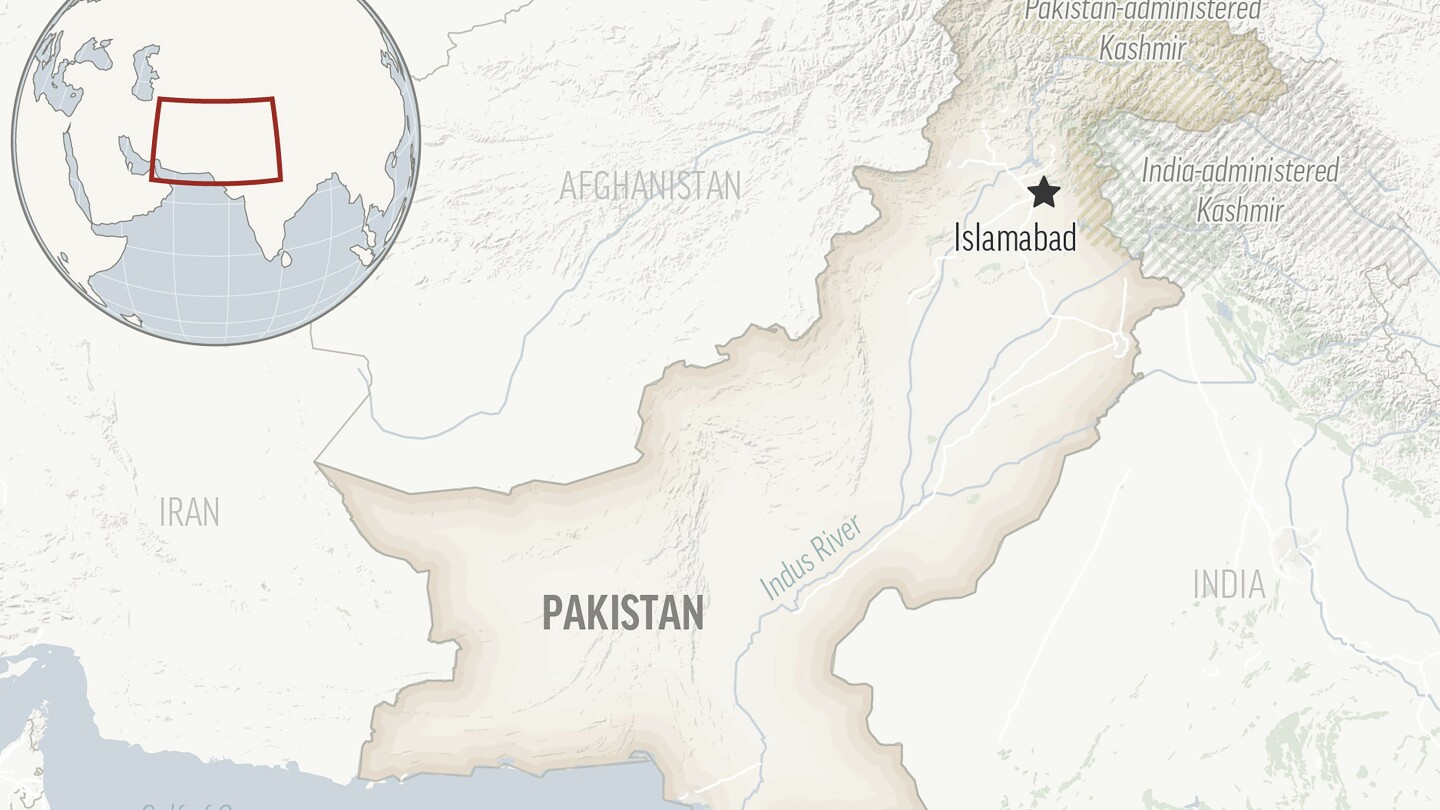
The Fatah-II Guided Rocket System, developed indigenously by Pakistan’s military, was successfully test-fired on Wednesday with a range of 400 kilometers. The rocket system is equipped with a state-of-the-art navigation system, unique trajectory, and maneuverable features, allowing it to engage targets with high precision and defeat any missile defense system. Prime Minister Shehbaz Sharif and the military congratulated the scientists, engineers, and troops involved in the successful launch. Pakistan often showcases its ability to counter threats from India by testing home-developed weapons, as the two nuclear-armed rivals have a history of conflict since gaining independence in 1947.
This test-firing of the Fatah-II Guided Rocket System is part of Pakistan’s ongoing efforts to enhance its defensive capabilities against India, its archenemy and neighbor. The military statement highlighted the system’s advanced features and capabilities, emphasizing its ability to deter any offensive action from India. The successful launch was seen as a significant achievement for Pakistan’s defense industry and a demonstration of the country’s commitment to maintaining a strong defense posture. The test-firing also serves as a reminder of the volatile relationship between Pakistan and India, marked by longstanding territorial disputes and occasional military confrontations.
The Fatah-II Guided Rocket System test-firing comes at a time of heightened tensions between Pakistan and India, with both countries engaging in military posturing along their shared border. The nuclear-armed rivals have a complex relationship marred by historical animosities and unresolved territorial issues, making any display of military capability a sensitive issue. The successful test-firing of the rocket system is likely to be viewed with concern by Indian authorities, who have long been wary of Pakistan’s military advancements and aggressive posture. The test-firing could potentially escalate tensions further and lead to a new round of military build-up on both sides.
However, Pakistan has maintained that its military developments are purely defensive in nature and aimed at deterring any potential aggression from India. The country faces security challenges on multiple fronts, including internal threats from insurgent groups and external pressures from neighboring countries. The successful test-firing of the Fatah-II Guided Rocket System is seen as a key milestone in Pakistan’s efforts to bolster its defense capabilities and ensure its national security. The military’s ability to develop and deploy advanced weapons systems domestically is also a source of national pride and a demonstration of self-reliance in the face of external threats.
As Pakistan continues to invest in its defense industry and military capabilities, the test-firing of the Fatah-II Guided Rocket System serves as a clear signal of the country’s determination to maintain a strong defense posture. The rocket system’s advanced features and precision targeting capabilities are intended to enhance Pakistan’s ability to effectively respond to any threats or provocations from India. The successful test-firing is likely to be met with mixed reactions internationally, with some countries viewing it as a legitimate exercise of national defense, while others may express concerns about the potential for increased tensions in the region. Despite the ongoing challenges and complexities of its relationship with India, Pakistan remains committed to ensuring its security and sovereignty through the development of advanced military technologies and capabilities.