




These days, there is a lot of concern about how popular uprisings and protests can lead to unintended consequences, especially in the realm of politics. Recent examples from around the world, such as in Egypt and Brazil, have shown that protests can sometimes lead to regression rather than progress. The structure of these movements plays a crucial role – from hierarchical institutions working together for common goals to leaderless, decentralized crowds that rely on mass mobilization rather than clear leadership. The latter tends to struggle in creating real change and often leads to the rise of strongman populists promising to restore order.
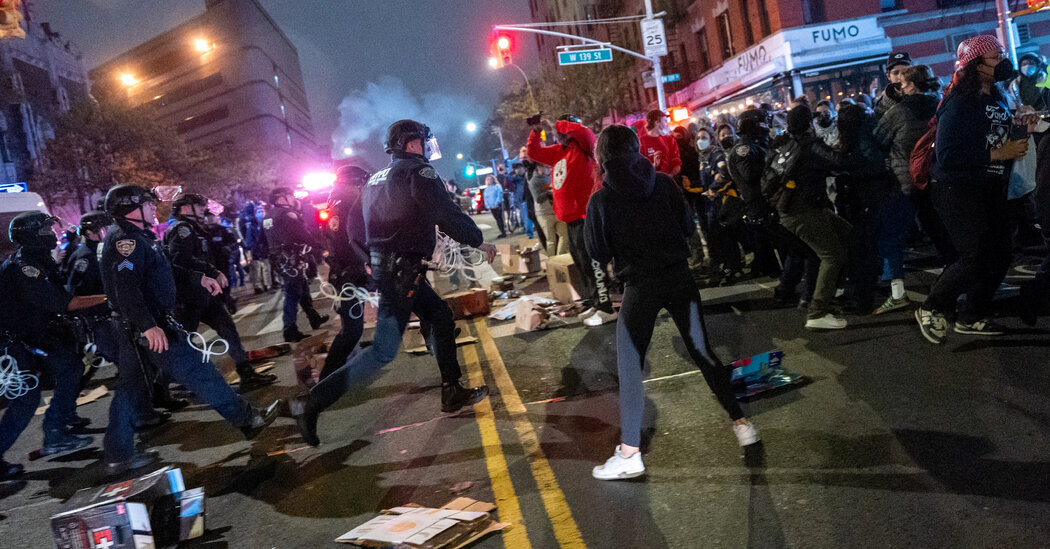
Campus protests in America share some of these weaknesses, particularly the lack of formal organizational structure that can control message, positions, and outcomes. This can lead to extreme or divisive rhetoric gaining attention and uncertainty about the movement’s basic principles. Additionally, these protests can reinforce the class dynamics that have affected the Democratic Party, as they are often led by students from elite educational institutions. This can alienate voters in working-class areas who may see the protests as a display of privilege and rule-breaking.
Many universities have become more ideologically homogeneous and detached from the rest of the country, with students being exposed to a narrow range of perspectives and ideas. Progressive fights often occur within progressive spaces, further dividing the left and unifying the right. It is essential to take into account the views of those who do not attend protests but may quietly disapprove, as their opinions can have significant consequences in the long run. Understanding the broader social and political context is crucial in assessing the impact of protests and uprisings.
As history has shown, popular uprisings can sometimes have unexpected and negative outcomes. The excesses of student protest movements in the 1960s, for example, were used by Republicans to their advantage, leading to conservative victories in elections. When protests lack clear goals, leadership, and organization, they may struggle to create lasting change and can even backfire, resulting in outcomes that are worse than failure. It is essential for those involved in protests to consider the broader implications and consequences of their actions to avoid unintended political backlash.
Recent criticisms from the White House and Senator Chuck Schumer of lawbreaking protests suggest a growing awareness of the need to address these issues and avoid a repeat of past mistakes. By paying attention to not just the protesters themselves, but also those who quietly disapprove, there may be a better understanding of the broader impact of these movements. It is crucial for protesters to consider their organizational structure, messaging, and goals to create meaningful change and avoid alienating potential supporters. By learning from past mistakes and taking a more strategic and inclusive approach, protests can potentially avoid contributing to negative political outcomes.