





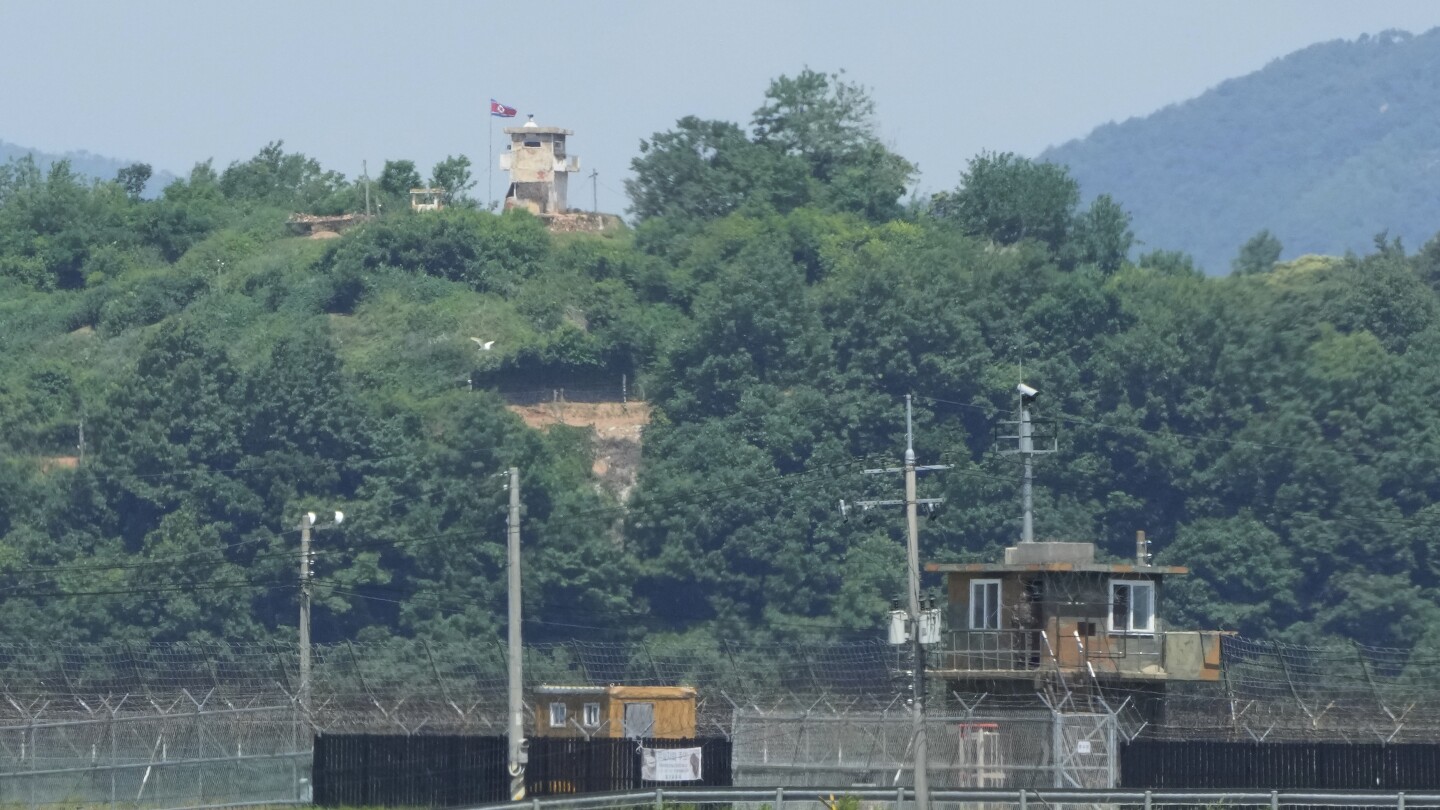
North Korea has conducted a series of balloon launches towards South Korea, dropping trash and manure as a retaliatory measure against South Korean civilian leafletting campaigns. The tensions between the two nations have escalated, leading South Korea to suspend a 2018 tension-easing agreement with North Korea. This suspension allows South Korea to restart military exercises and propaganda broadcasts at the border, actions that are expected to provoke further retaliation from North Korea.
The South Korean military detected around 330 balloons being launched by North Korea towards the South, with approximately 80 landing in South Korean territory. The balloons contained plastic and paper waste, but no hazardous substances were found. The military mobilized chemical rapid response and explosive clearance units to retrieve the balloons and materials. They also issued a warning to the public to avoid touching any balloons found on the ground and report them to authorities.
This recent balloon launch by North Korea is the third in a series that began on May 28. Previous balloon activities by North Korea included dropping manure, cigarette butts, scraps of cloth, waste batteries, and waste papers in South Korean territory. Despite the absence of highly dangerous materials and major damage, the escalating tensions between the two nations remain a cause for concern.
North Korea’s vice defense minister, Kim Kang Il, initially stated that his country would stop the balloon campaign but threatened to resume it if South Korean activists continued their leafletting activities. In defiance of this warning, South Korean civilian groups, led by North Korean defector Park Sang-hak, launched anti-North Korean leaflets, USB sticks with K-pop songs and South Korean dramas, and $1 U.S. bills. South Korean officials condemned these actions and vowed to retaliate strongly against North Korean provocations.
North Korea’s sensitivity to South Korean leafletting campaigns and propaganda broadcasts highlights the regime’s control over information and fear of outside influence. The North Korean leader, Kim Jong Un, has maintained a strict rule over the country, restricting access to foreign news for its citizens. The balloon campaign is also viewed as an attempt to create division within South Korea over its government’s approach towards North Korea.
Despite calls from liberal lawmakers and some civic groups to stop the leafleting activities to avoid conflict with North Korea, the South Korean government has not made any appeals in line with a constitutional court ruling from last year that upheld the activists’ right to freedom of speech. The ongoing tensions between the two Koreas continue to pose a threat to regional stability, with both sides engaging in provocative actions and threats of retaliation.