





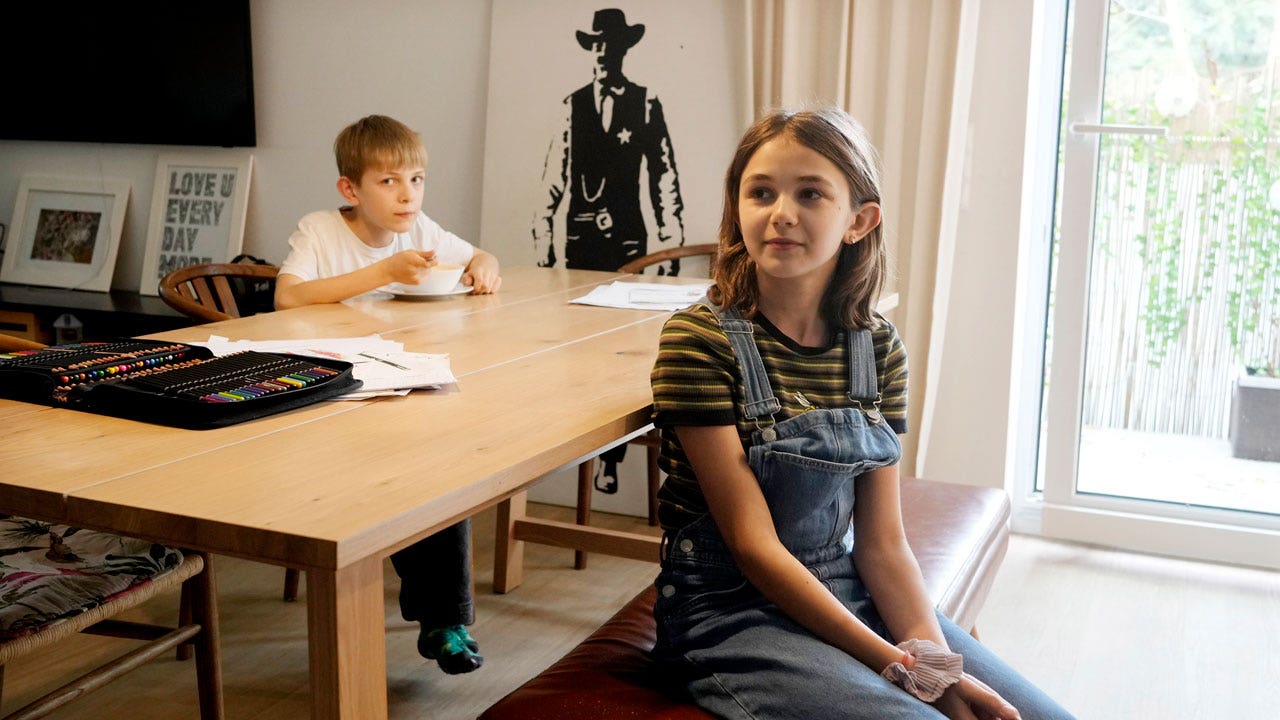
Ola Kozak, an 11-year-old girl living in a suburb of Warsaw, Poland, is celebrating after the government implemented strict limits on homework in lower grades, allowing her more time for her hobbies like music and drawing. The move was made as part of a broader discussion on modernizing Poland’s education system, which critics say focuses too much on rote learning and not enough on critical thinking and creativity. While some applaud the change, others, including Ola’s mother, Magda Kozak, are skeptical as they believe homework helps students consolidate what they have learned.
The debate over the proper amount of homework is not unique to Poland, as countries around the world grapple with this issue. Some experts argue that homework can help young learners develop study habits and academic concepts, while others suggest it may not provide significant benefits. Poland’s educational system has undergone various reforms over the years, leading to confusion and frustration among teachers and parents. The current government is trying to increase teacher salaries and introduce other changes that are supported by teachers, but some, like Sławomir Broniarz from the Polish Teachers’ Union, believe that the new homework rules were rushed and did not involve adequate consultation with educators.
The decision to limit homework in Poland was influenced by a 14-year-old boy who stood up at a campaign rally ahead of parliamentary elections and complained that children had no time to rest due to excessive homework and tests. Prime Minister Donald Tusk made the boy, Maciek Matuszewski, the face of the sudden change in homework policy. Education Minister Barbara Nowacka cited research on children’s mental health as the reason for reducing homework burdens. Pasi Sahlberg, a Finnish educator and author, emphasized the importance of trusting teachers to decide what type and amount of homework are suitable for each child.
Other countries like South Korea and the United States have also grappled with the issue of homework limits. South Korea set limits on homework for elementary schools in 2017, while in the U.S., teachers and parents determine the amount of homework given to students. Guidelines in the U.S. suggest about 10 minutes of homework per grade level. The COVID-19 pandemic and concerns around youth mental health have added complexity to the homework debate, with some advocating for reduced or optional homework to support student wellbeing. Sahlberg stressed the importance of practice in mastering skills and warned against lowering school expectations for excellence if homework is reduced.