





The Hate Crime and Public Order (Scotland) Act, a new law aimed at combatting hate speech, has come into force in Scotland. The law criminalizes behavior that stirs up hatred on the basis of characteristics such as age, disability, religion, sexual orientation, and transgender identity, with a maximum sentence of seven years in prison. Despite criticism, Scottish Minister Siobhian Brown believes that the law will help build safer communities free from hatred and prejudice.
However, critics argue that the law will stifle free speech, as it relies on subjective interpretation of what constitutes abuse. There are concerns that people will be afraid to express their views and that the law could be used to silence certain groups, such as gender-critical feminists. Some fear that the law could be used to target individuals who misgender trans individuals or express controversial opinions about gender identity.
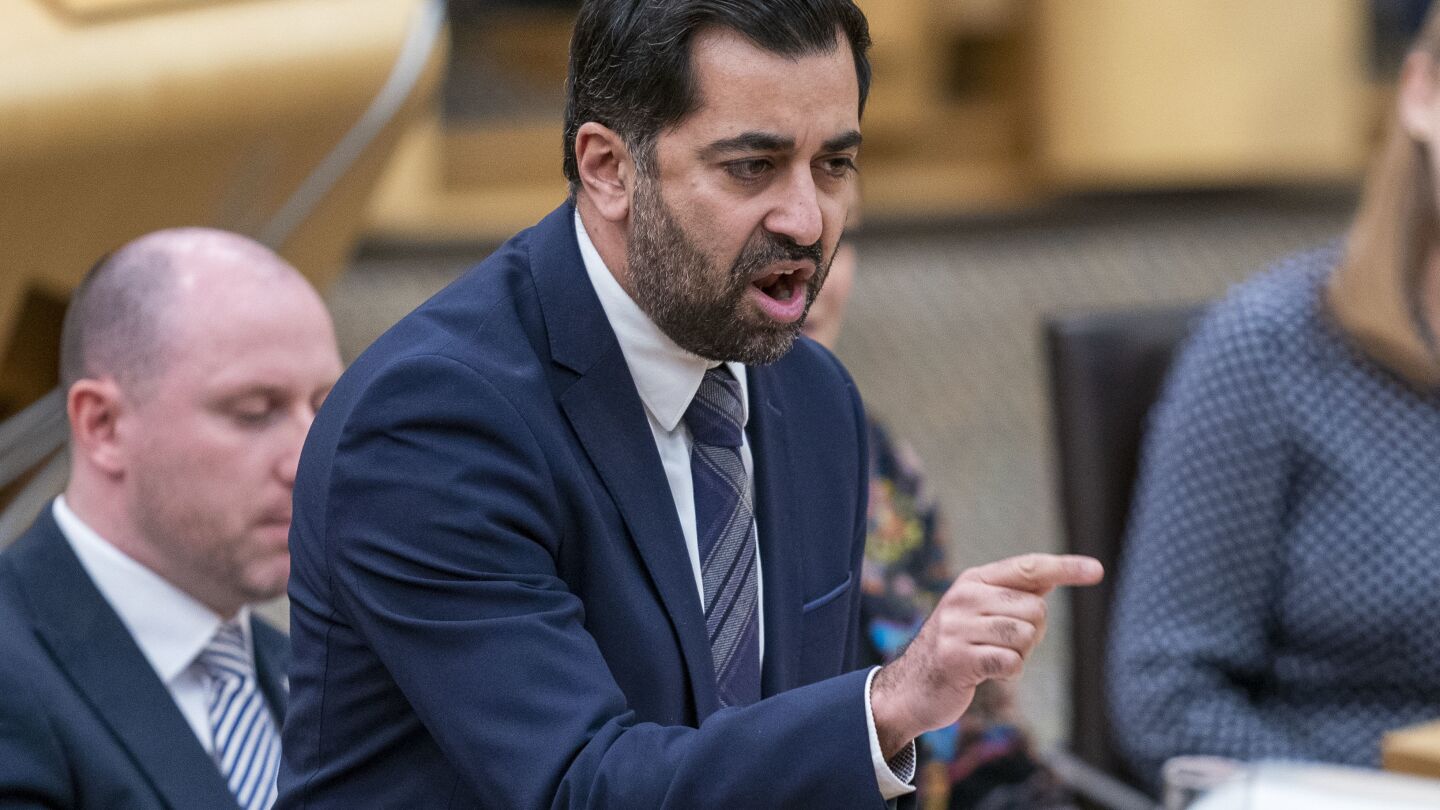
The Scottish government has defended the law, stating that it includes free speech protections and sets a high threshold for criminality. First Minister Humza Yousaf emphasized that the behavior must be threatening or abusive with the intent to stir up hatred in order to be considered an offense. Despite assurances from the government, there are still concerns within the police organizations that the law could lead to a flood of reports over online abuse, causing havoc with trust in the police.
The law has highlighted the divergence between the Scottish government, led by the SNP, and the Conservative U.K. administration in London. The legislation in Scotland allowing self-declaration of gender was vetoed by the British government in 2022 due to conflicting with U.K.-wide equalities legislation. The Scottish government’s prioritization of such laws shows a commitment to advancing social justice and equality, even if it means differing from the policies of the central government in Westminster.
As the law comes into force, it remains a topic of controversy with strong opinions on both sides. While supporters see it as a necessary step towards tackling hate speech and creating a safer society, opponents fear that it will infringe on free speech rights and be used to target specific groups. The implementation and enforcement of the law will likely be closely monitored to assess its impact on society and whether it achieves its intended goals of reducing hatred and prejudice in Scotland.