




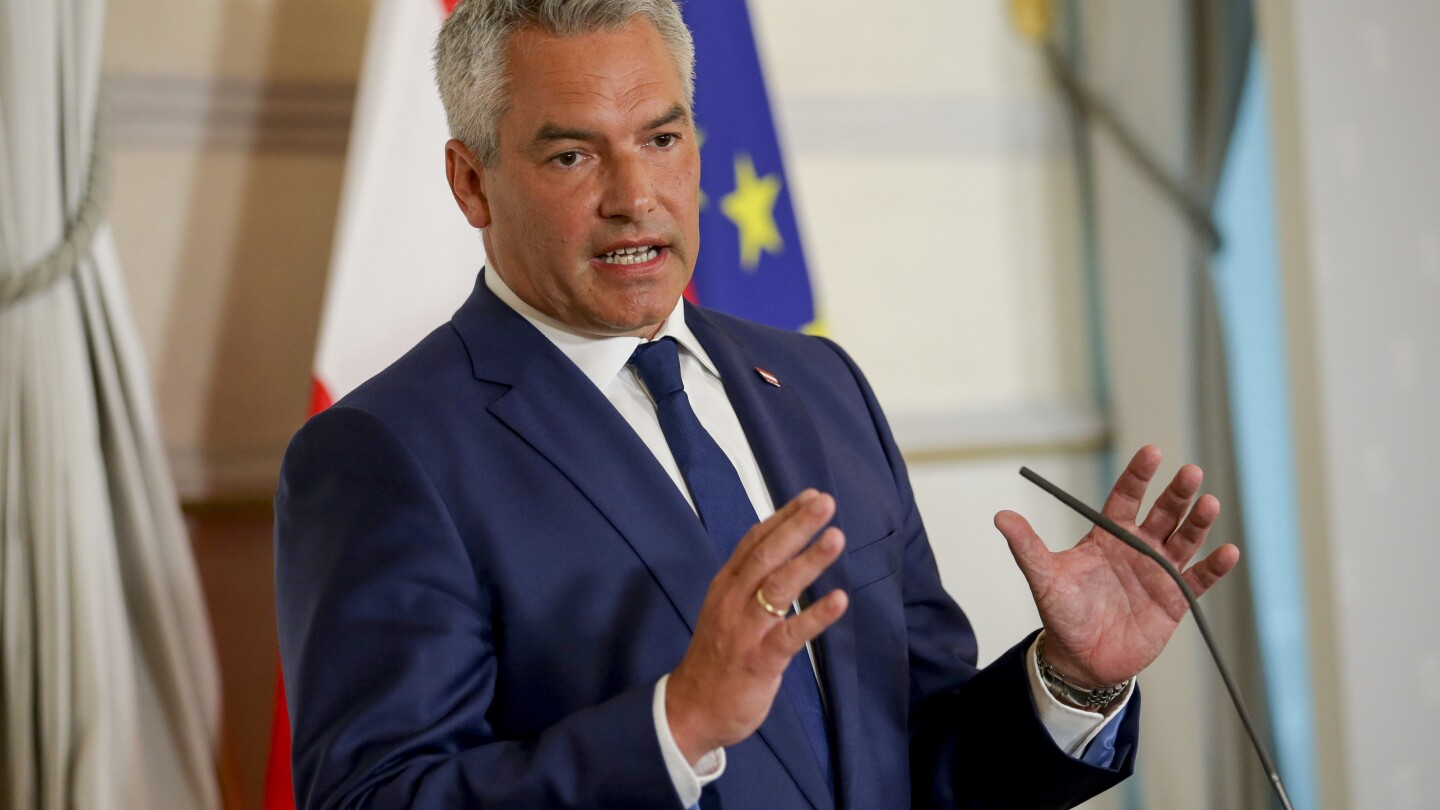
Austrian Chancellor Karl Nehammer announced his resignation after talks on forming a new government failed for the second time. This decision came after the People’s Party and the Social Democrats continued coalition talks following the Neos party’s withdrawal. Nehammer cited “destructive forces” within the Social Democratic Party as a reason for the breakdown in negotiations. The People’s Party refused to sign on to a program that they believed would harm economic competitiveness, leading to the end of talks. Social democratic leader Andreas Babler expressed regret over the People’s Party’s decision and called for continued negotiations.
The next government in Austria will face a daunting task of saving between 18 to 24 billion euros due to a record deficit, rising unemployment, and a budget deficit above the EU’s limit. With the country being in a recession for the past two years, finding a solution to these economic challenges will be crucial for the future government. Babler blamed the collapse of negotiations on forces within the People’s Party that were against forming a coalition with the Social Democrats. Despite Nehammer’s willingness to compromise, the fragile coalition between the two parties was always at risk due to their slim majority in parliament.
The People’s Party will now have to search for a replacement for Nehammer who had ruled out a coalition with far-right leader Herbert Kickl. The party’s officials are set to meet to discuss choosing a new leader, which could potentially shift the party’s stance on coalition partners. An early election could also be an option, although it would likely not take place before May due to Austrian election laws. Coalition talks had dragged on after the president tasked the conservative chancellor in October with forming a government, following the far-right Freedom Party’s success in the national election.
Freedom Party leader Herbert Kickl criticized Nehammer, Babler, and Austria’s President Alexander Van der Bellen for creating chaos instead of stability. The Freedom Party has been gaining support in opinion polls, making them a significant player in the political landscape. Van der Bellen is expected to make a statement in response to the developments, as the future of Austria’s government remains uncertain. With economic challenges and political tensions at play, the country faces a period of uncertainty as it navigates through the aftermath of failed coalition talks. The decisions made in the coming days will have far-reaching implications for Austria’s future.