



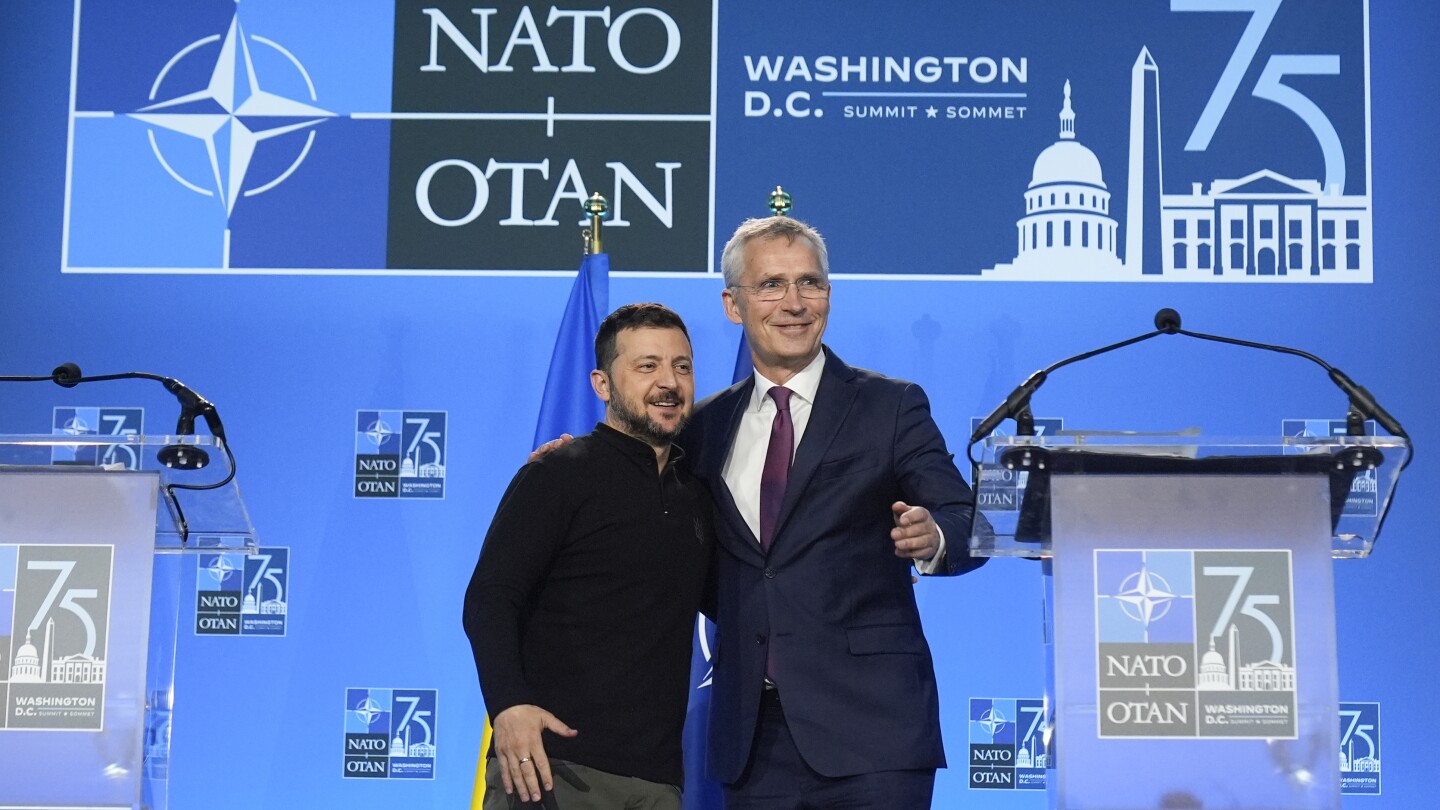
NATO has not shown any indication that it will invite Ukraine to join the alliance in the near future. This decision came as allies requested more information from Ukrainian President Volodymyr Zelenskyy regarding his “victory plan” to end the war with Russia. Zelenskyy has asked NATO to move forward on the accelerated membership application he submitted two years ago, seeking protection under the alliance’s security umbrella after Russia’s full-scale invasion. However, NATO Secretary-General Mark Rutte did not warmly welcome the plan, stating that more discussions were needed to understand the details and implications before any decisions were made.
The focus for NATO, according to Rutte, must be on assisting Ukraine in regaining territory and strengthening its position for future peace negotiations. Zelenskyy is scheduled to present elements of his plan to EU leaders on Thursday, many of whom are NATO members. Despite Ukraine’s struggle to fend off Russian forces in Donetsk, Zelenskyy believes that a NATO invitation would demonstrate allies’ determination to support Ukraine’s efforts. The country’s potential membership in NATO has been under consideration by the alliance for 16 years, with little tangible progress seen since the promise made in 2008 that Ukraine would eventually become a member. The decision on Ukraine’s NATO membership is currently on hold, with the upcoming U.S. presidential election and concerns over being drawn into a broader conflict with Russia cited as key reasons for the delay.
One major obstacle to Ukraine’s NATO membership is the ongoing conflict with Russia and the lack of clearly defined borders. NATO diplomats stress that Ukraine’s borders must be clearly demarcated before any membership discussions can advance, to ensure that the alliance’s Article 5 guarantee can be effectively implemented. With Russian troops having seized about 20% of Ukrainian territory, the situation remains complex and delicate. The United States and Germany, along with other European allies, are cautious about allowing Ukraine to join NATO while the conflict persists, as they fear the potential escalation to a wider war involving nuclear-armed Russia. Despite the alliance’s commitment to Ukraine’s path to membership, the current geopolitical circumstances pose significant challenges to any immediate decisions regarding Ukraine’s NATO aspirations.
In the midst of these uncertainties, Zelenskyy continues to advocate for Ukraine’s NATO membership, framing it as a crucial step towards bolstering the country’s security and stability. He views a NATO invitation as a testament to allies’ dedication to supporting Ukraine in its struggle against Russian aggression. The alliance remains in close communication with Ukraine and other allies, seeking to gather more information and assess the implications of Zelenskyy’s “victory plan” before making any definitive decisions. The coming months will be critical in determining the trajectory of Ukraine’s relationship with NATO, as geopolitical tensions and security concerns continue to shape the alliance’s approach towards potential new members. The delicate balance between supporting Ukraine’s aspirations and managing the risks of wider conflict with Russia will be key considerations for NATO moving forward.