




A scenic fishing village in southwest England, specifically the Brixham area of Devon, was instructed to boil its tap water for a third day due to an outbreak of cryptosporidium, a microscopic parasite that causes diarrhea. More than 45 people have fallen ill, with 46 confirmed cases of cryptosporidiosis and over 100 additional reported symptoms. South West Water’s Chief Executive Susan Davy apologized for the incident and stated that technicians were working to identify and fix the problem, which may have come from a pipe in a cattle pasture. Despite the apologies, residents have been urged to continue boiling water until the issue is resolved.
This crisis is indicative of larger issues within Britain’s water system, as water companies have faced criticism for frequent sewage overflows into rivers and oceans. The environmental group Friends of the Earth reported that thousands of sewage releases occurred along England’s coast last year, with a significant number close to swimming spots. Advocates have attributed these problems to the privatization of the water system in the late 1980s, claiming that companies have prioritized shareholder profits over customer needs and failed to invest in upgrading outdated plumbing systems. Specifically, Thames Water, the largest water company, is facing insolvency and the possibility of nationalization after shareholders declined to provide additional funding.
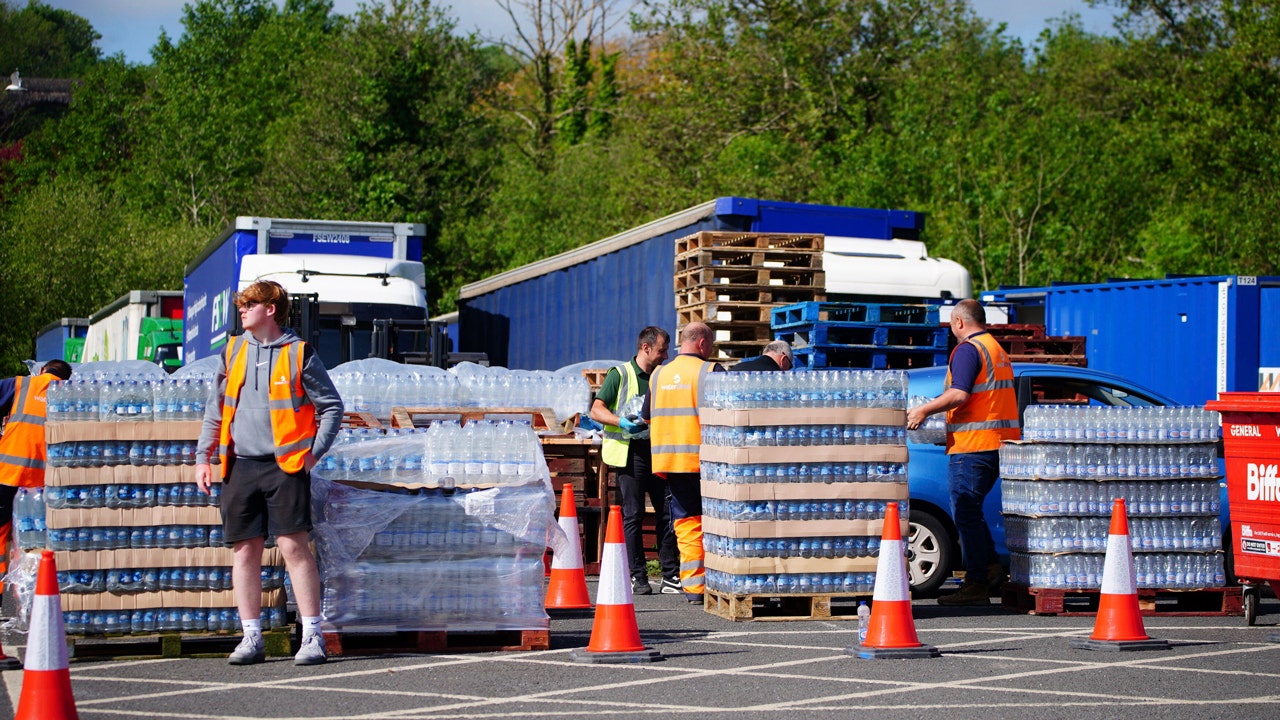
In addition to the cryptosporidiosis outbreak, South West Water has faced legal challenges for 30 offenses related to illegal water discharges and breaches of environmental permits between 2015 and 2021. The recent outbreak is believed to have stemmed from a damaged air valve in a pipe near a reservoir where cows graze, leading to contamination of the water supply. As a result, a local primary school was forced to close due to a lack of clean drinking water. The water company has since provided free bottled water at designated locations and increased compensation for affected customers. Despite these measures, experts believe that more individuals may fall ill with cryptosporidiosis due to the incubation period of the parasite.
Members of Parliament, including Conservative representative Anthony Mangnall from the affected area, have criticized South West Water for its handling of the outbreak and lack of communication with residents. Mangnall expressed concern over the slow response from the water company and pledged to hold them accountable for their actions. He also predicted that residents may need to continue boiling water for an additional week as a precautionary measure. As the situation unfolds, it is evident that the incident in Brixham highlights the broader challenges within Britain’s water system and the urgent need for improvements to prevent similar crises in the future.