




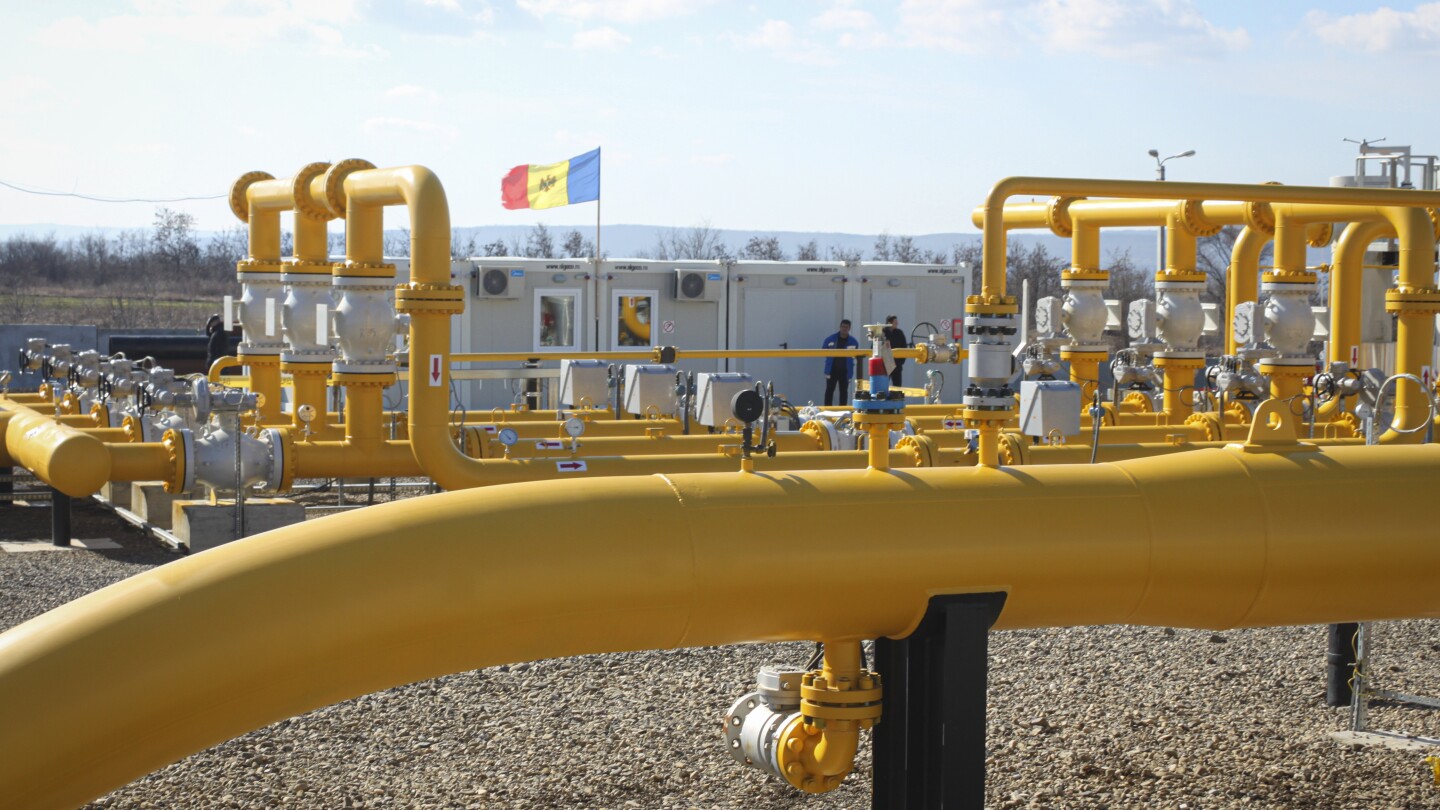
The small European country of Moldova is facing a potential energy crisis as Russia’s state-owned energy giant Gazprom plans to halt gas supplies on January 1st due to an alleged $709 million debt. The country’s largest power plant, which generates electricity for a significant portion of Moldova, will be affected by this decision. The looming energy shortage has sparked fears of a humanitarian crisis, especially in the separatist region of Transnistria, which relies heavily on Russian gas supplies.
Transnistria, a region that broke away from Moldova in 1992 and is not recognized by most countries, has also declared a state of emergency as it fears it will not receive gas supplies. The situation has prompted Moldova’s parliament to impose a state of emergency in the energy sector to prevent a winter without sufficient energy. Observers speculate that the energy shortage could lead residents to travel to Moldova in search of basic amenities to survive the cold winter temperatures.
In response to the impending crisis, Chisinau has implemented energy-saving measures, including reducing lighting in public and commercial buildings by 30% and operating energy-intensive businesses during off-peak hours. The Moldovan government has accused Russia of using energy as a political weapon and has refused to recognize the debt claimed by Gazprom. Moldova’s President Maia Sandu has vowed to ensure uninterrupted electricity supply and provide humanitarian aid to residents in Transnistria.
Despite facing multiple crises in recent years, Moldova has not previously experienced a power and gas shortage of this magnitude. The country has accused Russia of conducting a “hybrid war” through various means to meddle in its internal affairs and derail its EU aspirations. Moldova is now looking to diversify its energy sources and reduce dependence on Russian gas. In the midst of this crisis, Moldovans are bracing themselves for potential power outages and heating shortages as winter approaches.
As Moldova prepares for the energy cutoff, concerns are growing about the impact it will have on residents, particularly those in Transnistria. The region’s largely Russian-speaking population faces the risk of being left without essential services such as heating and light. The situation has raised tensions between Chisinau and Transnistria, with fears of a potential humanitarian crisis unfolding. Moldovan officials are working to find solutions to ensure a stable energy supply and prevent widespread disruptions.
As the January 1 deadline approaches, Moldova is racing to find alternative sources of energy to mitigate the impact of the gas cutoff. The country’s efforts to secure uninterrupted electricity supply and provide assistance to vulnerable populations demonstrate its determination to navigate this challenging situation. Moldova’s leaders are calling for unity and solidarity in the face of Russia’s use of energy as a political tool, emphasizing the importance of rational energy use and cooperation to overcome the crisis.