



The company responsible for a global recall of sleep apnea machines, Philips, will be prohibited from resuming production at U.S. facilities until it meets various safety requirements, as per a settlement announced by federal officials on Tuesday. The company must overhaul its manufacturing and quality control systems and hire independent experts to vet the changes. Additionally, Philips is required to continue replacing, repairing, or providing refunds to all U.S. customers affected by the defective devices. The recall, which involves over 5 million devices, primarily CPAP machines, has been ongoing for nearly three years due to issues with the internal foam breaking down and potentially releasing harmful particles and fumes during use.
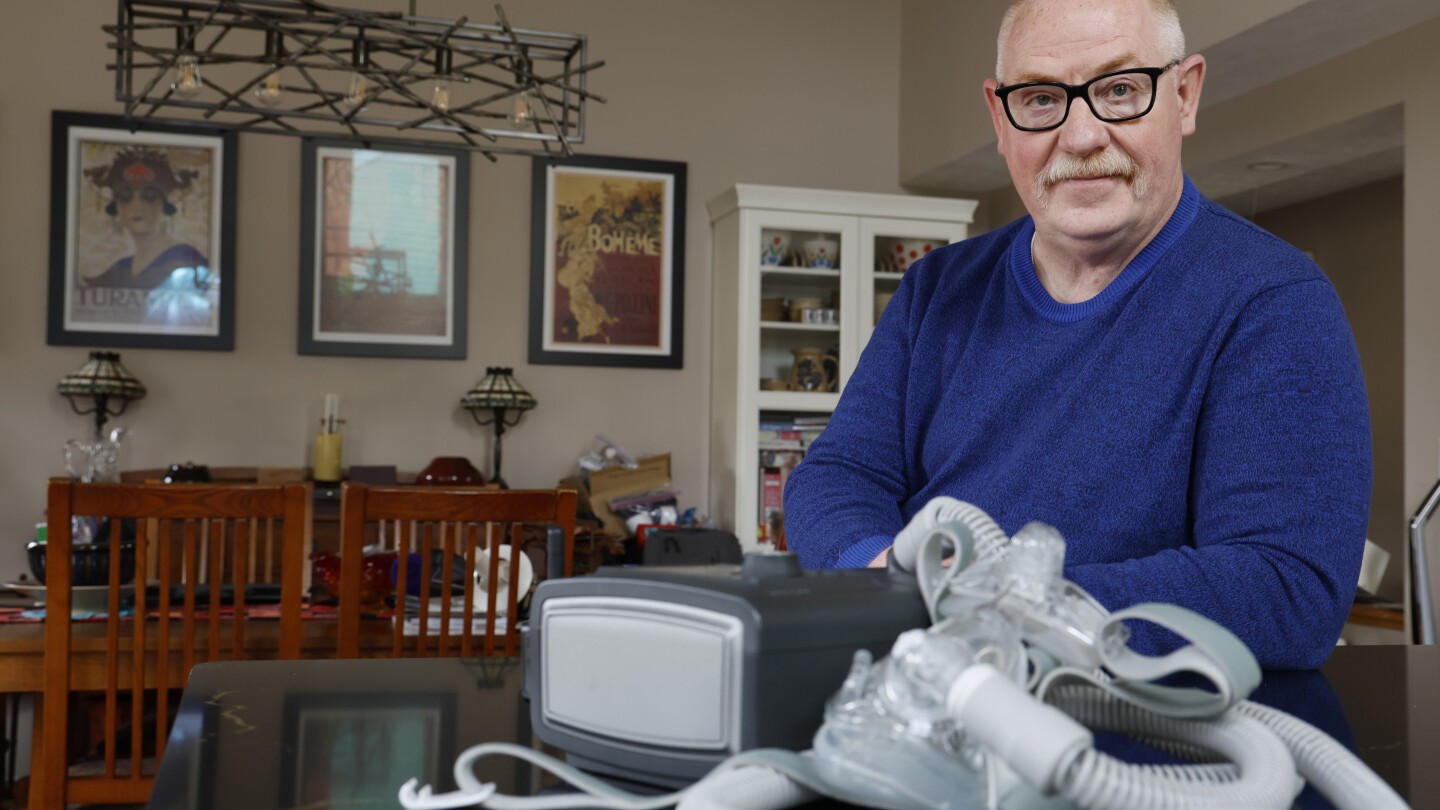
The federal government’s lawyers alleged that Philips failed to comply with good manufacturing practices necessary for ensuring device safety. While the company did not admit to the allegations, it must now work with independent auditors to develop a plan for rectifying its manufacturing issues and monitor problems with the sleep devices, all subject to approval by the FDA. The new foam selected by Philips must also meet FDA safety standards. Individuals like Jeffrey Reed, who experienced health issues from using a Philips machine, have expressed concerns about the long-term implications on their health. Reed is one of more than 750 people who have filed personal injury lawsuits against the company, and similar cases are pending in multiple countries.
Despite the settlement agreement, Philips will still be able to export some machines for sale outside the U.S. The FDA has warned patients of various risks associated with ingesting the foam particles, including headaches, asthma, allergic reactions, and more serious health problems. An FDA inspection of Philips’ offices in Pennsylvania revealed several red flags, including evidence that the company was aware of the foam issue years before the recall. The FDA had ordered Philips in 2022 to improve its communication with customers regarding the recall, as many affected individuals were unaware of the situation. Customers seeking refunds or replacements have reported encountering long delays in the process.
The establishment of the legal agreement provides a roadmap for Philips to meet regulatory requirements, ensuring defined actions, milestones, and deliverables are in place. While the company will be able to resume some operations, issues regarding safety and quality control remain a top priority. The ongoing efforts to address the recall demonstrate a commitment to holding manufacturers accountable for potential risks that could endanger the public. As the situation continues to unfold, the focus remains on mitigating the effects of the faulty sleep apnea machines and providing affected individuals with the necessary support and solutions.