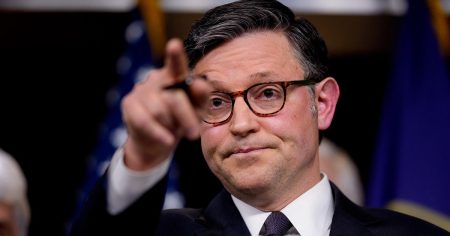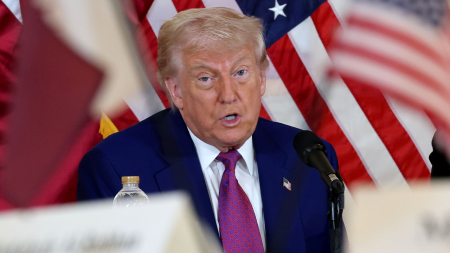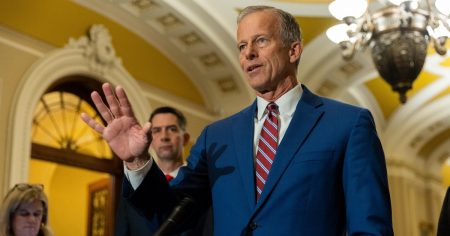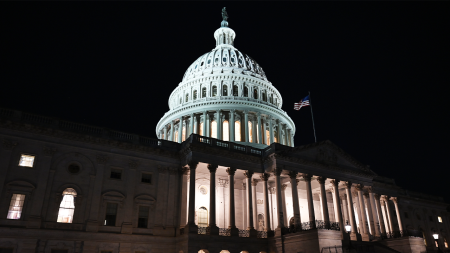





The House passed legislation to ban TikTok in the United States if the Chinese technology firm ByteDance Ltd., the app’s owner, does not sell its stake within a year. This decision is a part of a larger foreign aid package and has broad support in Congress due to concerns about national security. Despite this, even if the legislation becomes law, ByteDance would likely challenge it in court, arguing that it violates First Amendment rights of the app’s users. The motivation for the ban stems from worries about Chinese threats to the U.S., with concerns that Chinese authorities could potentially access American user data or influence content on the platform. TikTok has denied these claims and the U.S. government has not provided evidence to support them.
The swift passage of the bill targeting TikTok is unusual given Congress’s historical hands-off approach to tech regulation. Lawmakers have largely failed to address concerns such as protecting children online, safeguarding privacy, and holding platforms accountable for posted content. The ban on TikTok reflects broader bipartisan worries about China and its potential influence on American technology. TikTok has had success in legal battles in the past, such as blocking a Montana law and a federal court ruling against Trump’s executive order to ban the app. The company remains confident in its ability to challenge the ban in court.
Organizations like the American Civil Liberties Union have supported TikTok in its fight against the ban, arguing that it would infringe on the rights of the app’s millions of users. TikTok has spent millions on TV ads opposing the legislation and mobilizing its users to contact Congress in protest. Content creators on the platform, such as Nadya Okamoto, are concerned about the bill’s impact on their livelihoods. Many creators rely on TikTok for income and fear that a ban would have serious repercussions on their ability to connect with audiences and engage in advocacy work.
The pushback against the ban from TikTok and its users has led to tensions on Capitol Hill, where few lawmakers use the platform themselves. There is a general distrust of Chinese technology companies and concerns about potential data privacy and national security threats. The bill’s passage through Congress is remarkable in its singling out of one company for regulation. Despite the widespread concerns about TikTok’s ownership, the app remains immensely popular among a predominantly young user base in the U.S. The outcome of the legislation and potential legal challenges by ByteDance remain uncertain.
TikTok CEO Shou Zi Chew has reassured users that the company will continue to fight for the platform and protect it from the ban. The future of TikTok in the U.S. depends on the outcome of legal battles, congressional negotiations, and potential challenges to the ban’s constitutionality. The app’s fate is intertwined with broader debates about tech regulation, national security, privacy, and free speech rights. As the situation unfolds, TikTok users and content creators are left uncertain about the future of the platform and the implications of a potential ban on their lives and livelihoods.