



As the presidential election approaches, both Kamala Harris and Donald Trump are working to expand their coalitions by appealing to voters outside of their traditional bases. Trump’s visit to Pennsylvania focused on countering U.S. reliance on China, while Harris plans to visit the swing state later in the week. Trump’s approach includes proposals to increase America’s food supply and protect U.S. farmers, moves that highlight his efforts to appeal to working-class voters who oppose free-trade deals and outsourcing. Harris, on the other hand, has been emphasizing the threat of climate change and the need for a sustainable economy, garnering support from donors and supporters who share her concerns.
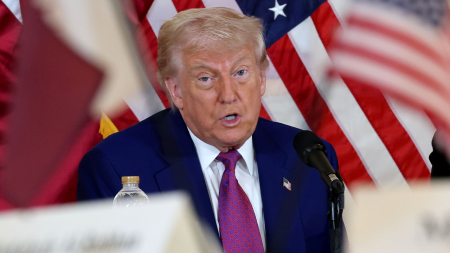
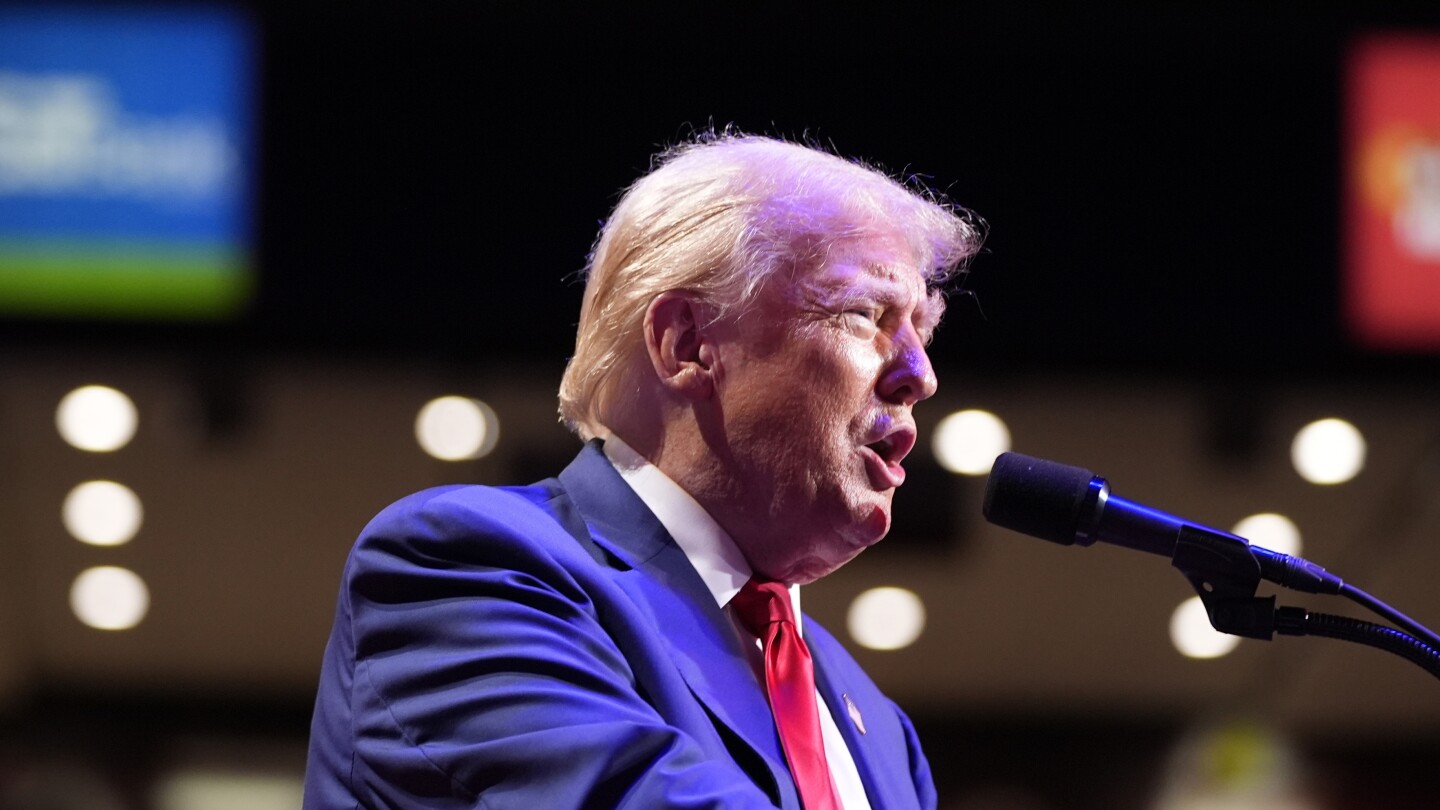
During a campaign stop in rural Pennsylvania, Trump engaged in a more personal approach by listening to farmers’ economic difficulties and interacting with locals. However, his rally later in Indiana, Pennsylvania, reverted back to his usual confrontational style, where he criticized Harris and made claims about the election being his last should he lose. The shift in his demeanor reflects the intense competition and high stakes of the election, with both candidates looking to energize their supporters and attract new voters from diverse demographics.
Minnesota Gov. Tim Walz criticized Trump’s energy catchphrase “drill baby, drill,” calling it an inadequate solution to climate change. Walz emphasized the importance of transitioning to renewable energy sources and highlighted the economic opportunities that such a shift can bring. This stance aligns with Harris’ focus on combatting climate change and promoting sustainability, indicating a unified effort among Democrats to address pressing environmental issues and stimulate economic growth through green initiatives.
As the vice presidential debate approaches, both Harris and her opponent, JD Vance, have selected stand-ins to help prepare for the event. These mock debates will feature figures like Pete Buttigieg and Tom Emmer playing the roles of the candidates, showcasing the strategic preparation and rigorous training that goes into these high-stakes political events. The candidates’ choice of representatives indicates the importance they place on effective communication and debate skills in shaping voter perceptions and winning over undecided voters.
In a significant development, Harris’ transition team has reached an agreement with the General Services Administration to accept pre-election support from the federal government. This step underscores the meticulous planning and preparation that goes into a potential presidential transition, regardless of the election outcome. The agreement with the GSA ensures that Harris will have access to necessary resources and logistical support to facilitate a smooth transition should she win the presidency, highlighting the importance of readiness and organization in the political realm.
The presidential campaign intensifies as Trump continues to focus on countering China’s influence and appealing to key voter demographics, while Harris emphasizes climate change, economic opportunities, and sustainability. The candidates’ contrasting approaches reflect the divergent priorities and policy platforms of the two parties, as they strive to secure support from a broad spectrum of voters. With the election drawing near, the competition between Harris and Trump underscores the fluid nature of politics and the shifting alliances that can influence electoral outcomes. As the candidates engage in debates, rallies, and strategic campaign events, the race for the presidency enters a critical phase where every decision and statement carries weight and can sway voter preferences.