




On June 26, 1945, the United Nations was formally established with the signing of the U.N. Charter in San Francisco, California. The Charter was signed by representatives of 50 countries attending the United Nations Conference on International Organization in San Francisco. Poland, which was not represented initially, signed the Charter later, becoming one of the U.N.’s original 51 member states. The United Nations was established as a successor to the League of Nations, following World War I, with the goal of maintaining peace in the postwar world.
The United Nations originated from a proposal made in 1941 by the Allies to establish a new international body to prevent future conflicts. The name “United Nations” came from President Franklin D. Roosevelt in 1941 when describing the countries fighting against the Axis Powers in World War II. The Moscow Declaration in October 1943 highlighted the need for a new international organization to replace the League of Nations. The groundwork for the United Nations was laid at the Dumbarton Oaks conference in Washington, D.C. in August 1944, where major Allied powers outlined the structure of the world body, leading to the establishment of the U.N. Conference on International Organization in San Francisco.
The San Francisco Conference aimed to set foundations and establish a framework for the United Nations. Delegates from 50 countries attended the conference, including the 26 countries that had signed the original 1942 Declaration of the United Nations. Poland, although not represented due to no internationally recognized government, was later admitted, making it one of the founding member states of the United Nations. On June 25, 1945, the Charter was unanimously adopted at the San Francisco Opera House, with the United Nations officially coming into existence on October 24, 1945, once the majority of signatory states had ratified the Charter. United Nations Day is observed annually on this date.
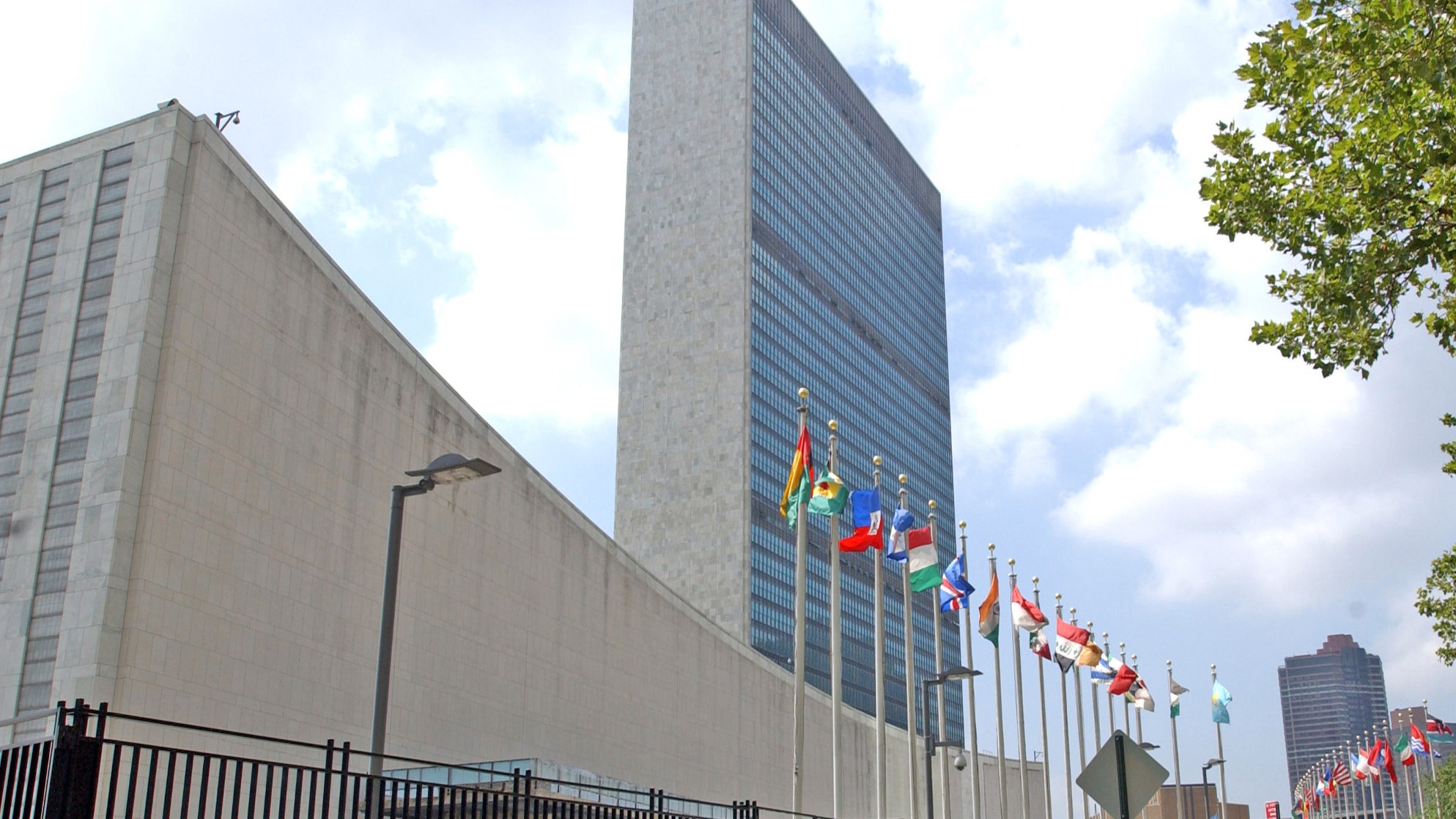
President Truman referred to the U.N. Charter as proof that nations can find common ground to resolve their differences. Currently, nearly 200 nations are members of the United Nations General Assembly, with various bodies established under the U.N. Charter, including the General Assembly, Security Council, Economic and Social Council, Trusteeship Council, International Court of Justice, and the UN Secretariat. The work of the United Nations focuses on maintaining international peace and security, protecting human rights, and delivering humanitarian aid. The organization is headquartered in New York City, with offices in Geneva, Switzerland; Nairobi, Kenya; Vienna, Austria; and The Hague, the Netherlands, where the International Court of Justice is based.
Overall, the United Nations has played a pivotal role in promoting global peace, security, and cooperation since its establishment in 1945. It serves as a platform for nations to address common challenges and work towards common goals. Through its various bodies and objectives, the United Nations continues to strive towards creating a more just and peaceful world for all its member states.