



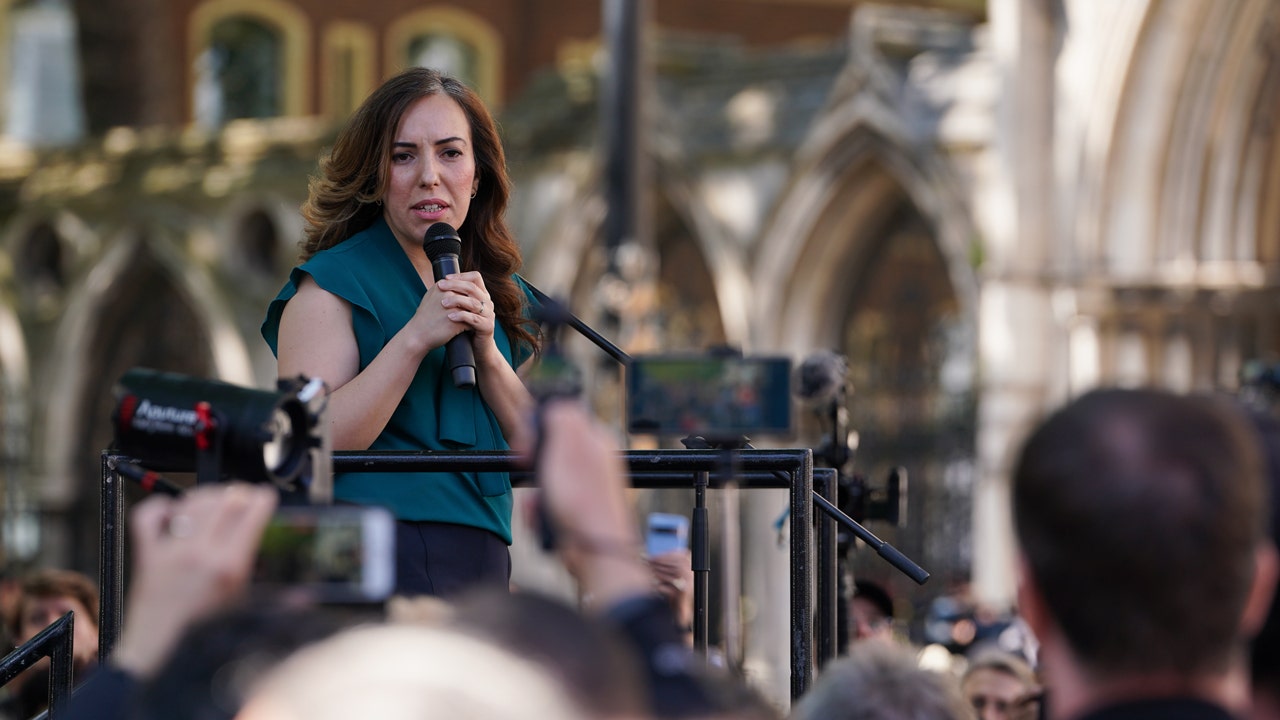
Julian Assange, the founder of WikiLeaks, has been facing a hearing in the High Court in London to determine whether he will be extradited to the U.S. to face espionage charges or will be granted another chance to appeal his extradition. The outcome of the hearing will depend on how much weight judges give to assurances provided by U.S. officials that Assange’s rights will be respected if he goes on trial. Assange’s wife, Stella Assange, stated that if the court rules against her husband, they will seek an emergency injunction from the European Court of Human Rights. Labour MP Jeremy Corbyn addressed Assange supporters outside the court, stating that the case has massive implications worldwide.
In March, two judges rejected most of Assange’s arguments but gave him the opportunity to take his case to the Court of Appeal if the U.S. guaranteed that he would not face the death penalty and would have the same free speech protections as a U.S. citizen. The U.S. has provided these reassurances, but Assange’s legal team and supporters argue that they are not sufficient. Assange, who is facing 17 espionage charges and one charge of computer misuse, has been indicted for his role in the publication of classified documents on his website almost 15 years ago. Supporters gathered outside the courthouse chanting “Free Julian Assange” and “Press freedom, Assange freedom,” while holding signs condemning war crimes.
Assange’s lawyers argue that he could face up to 175 years in prison if convicted, but U.S. authorities suggest that any sentence would likely be shorter. They claim that Assange’s actions go beyond those of a journalist gathering information, as he solicited, stole, and indiscriminately published classified government documents. Assange’s family and supporters have expressed concern about his physical and mental health, which has deteriorated over more than a decade of legal battles. He spent seven years inside the Ecuadorian Embassy in London and has been in a British high-security prison for the past five years.
If Assange prevails in court, an appeal process is likely to delay the legal saga even further. If the court accepts the U.S. assurances, it could mark the end of Assange’s legal challenges in the U.K., though uncertainty remains about what will happen next. Assange’s legal team is prepared to seek intervention from the European Court of Human Rights if necessary. On the other hand, if Assange loses in court, there may still be hope for his freedom. President Joe Biden has stated that he is considering a request from Australia to drop the case and allow Assange to return home. The decision from the High Court will have significant repercussions for Assange’s future and could impact press freedom worldwide.