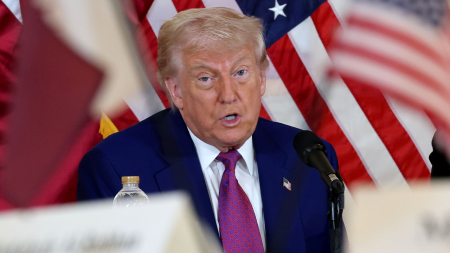




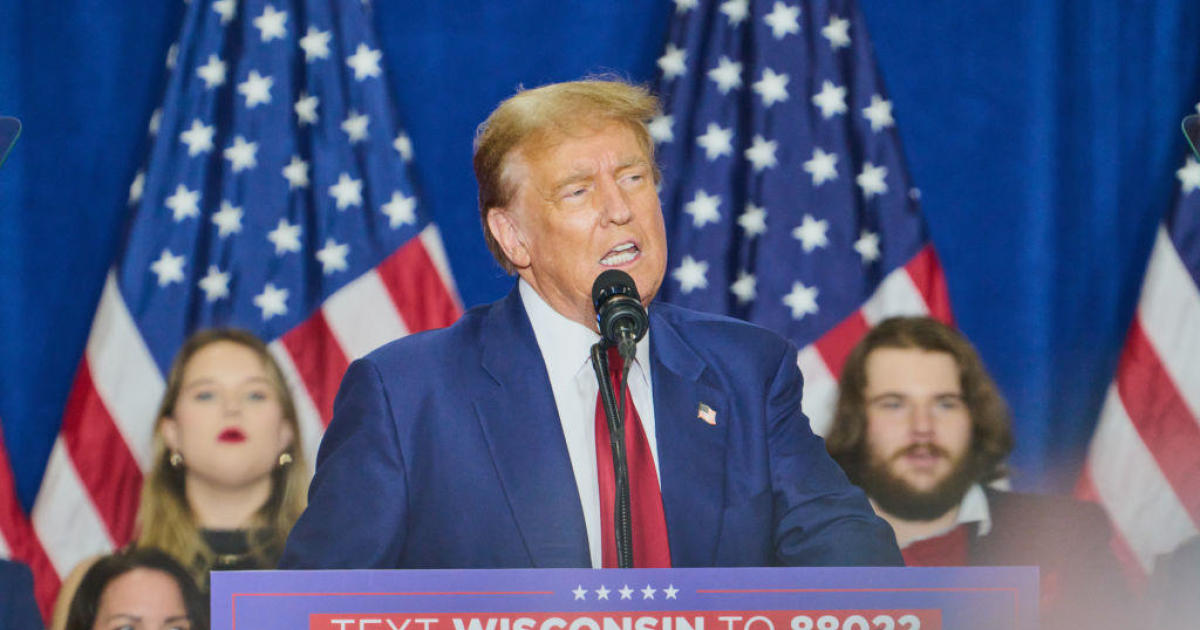
Judge Scott McAfee denied the efforts of former President Donald Trump and 14 others to dismiss the 2020 election-related case in Fulton County, ruling that the First Amendment does not protect the defendants from prosecution. In a 14-page order, McAfee rejected the argument that the charges violated the First Amendment’s protections of political speech and the right to petition Congress. Trump and 18 other co-defendants were indicted last year on state charges, with prosecutors alleging they worked to overturn the election results in Georgia after Trump’s loss in 2020. Most defendants have pleaded not guilty, while several have taken plea deals. Trump faces 10 felony charges, with three previously dismissed by McAfee.
The defense attorneys challenged the state laws underlying the charges, arguing that the alleged violations were protected political speech. McAfee ruled that the First Amendment’s protections do not apply in this case, as the speech was alleged to have been made in furtherance of criminal activity. Despite this ruling, the defendants can raise the First Amendment issue at a later time. McAfee stated that only a jury can determine if Trump and his allies’ speech or conduct had criminal intent, as claimed by prosecutors. He added that the allegations as described in the indictment are integral to criminal conduct and therefore excluded from First Amendment protections.
The sprawling racketeering case brought by District Attorney Fani Willis and her office faced a delay when one of Trump’s co-defendants attempted to disqualify Willis from the prosecution by accusing her of an improper romantic relationship with a deputy. Trump and seven others joined this bid but McAfee ultimately allowed Willis to remain on the case after the deputy resigned. The case was permitted to continue, with Trump and his co-defendants appealing the decision not to disqualify Willis and her office. This Georgia case is one of four criminal prosecutions against Trump, with trials set to begin in Manhattan and Washington, D.C.
Alongside the Georgia case, Trump faces charges in Manhattan for falsifying business records, federal charges in Washington, D.C. for his conduct surrounding the 2020 election, and federal charges in South Florida for mishandling sensitive government documents after leaving the White House. Trump has pleaded not guilty to all charges and alleges that the prosecutions are politically motivated. As the legal proceedings continue, Trump and his co-defendants remain embroiled in a complex web of accusations and defenses, with multiple trials on the horizon and the specter of political motivations casting a shadow over the entire legal process. The fight over the legal consequences of the 2020 election continues to unfold in courtrooms across the country.