





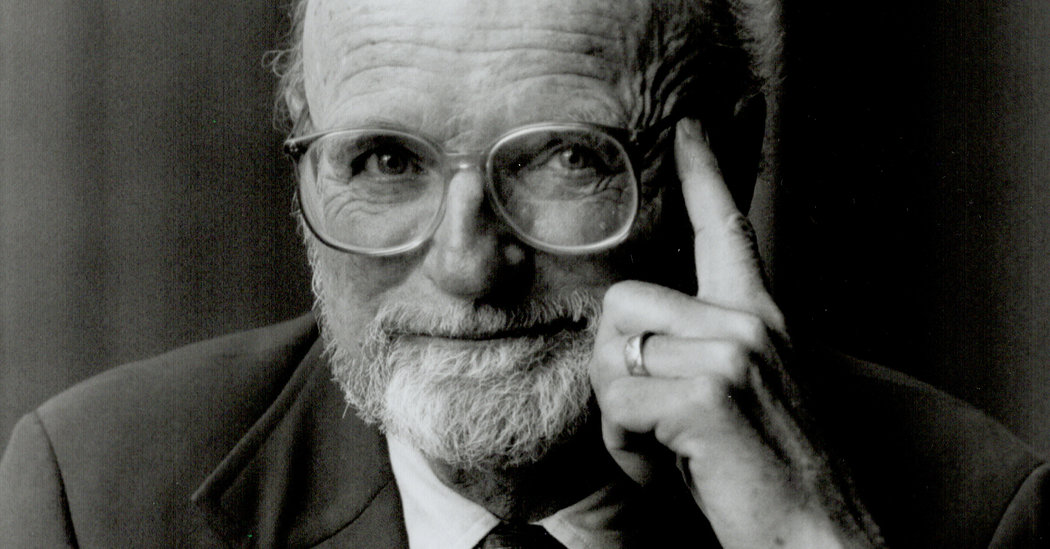
John Barth, a renowned author known for pushing the boundaries of storytelling with his innovative and complex novels, passed away at the age of 93. His death was confirmed by Rachel Wallach from Johns Hopkins University, where Barth was an emeritus professor of English and creative writing. Barth’s third novel, “The Sot-Weed Factor,” published when he was 30, catapulted him into the ranks of the country’s most groundbreaking writers. He followed it with “Giles Goat-Boy,” a satirical parable of the Cold War, showcasing his unique storytelling style.
Considered a pioneer of postmodern literature, Barth wrote an influential essay in 1967 titled, “The Literature of Exhaustion,” which argued that traditional narrative conventions had been exhausted. He drew inspiration from Scheherazade, the mythical storyteller, and cited her as a significant influence on his work. Throughout his career, Barth published numerous novels, short stories, critical essays, and observational pieces, emphasizing the power of narrative imagination in the face of death and boredom.
Born in Maryland in 1930, Barth initially aspired to become a jazz arranger before pursuing a career in literature. His first novel, “The Floating Opera,” explored existential themes and set the stage for his later works. One of his most famous novels, “The Sot-Weed Factor,” was praised for its satirical depiction of humanity and grandiose romance. Despite receiving critical acclaim, Barth’s work also faced criticism for its perceived artifice and contrivance.
Barth defended his innovative techniques, including irony and exaggeration, as essential tools for revitalizing the stagnating realism of the 19th-century novel. He was known for revising and reworking his own novels, often creating new editions and exploring alternative narratives. His novels, such as “Letters” and “Tidewater Tales,” reflected his interest in experimenting with form and structure.
Throughout his career, Barth continued to challenge literary conventions and explore new facets of storytelling. His later works, such as “The Development,” focused on the lives of elderly residents in a gated community, blending humor and poignancy. Barth’s dedication to narrative innovation and his distinctive storytelling style left a lasting impact on the literary world. He will be remembered as a pioneering author who pushed the boundaries of storytelling and inspired generations of writers.