





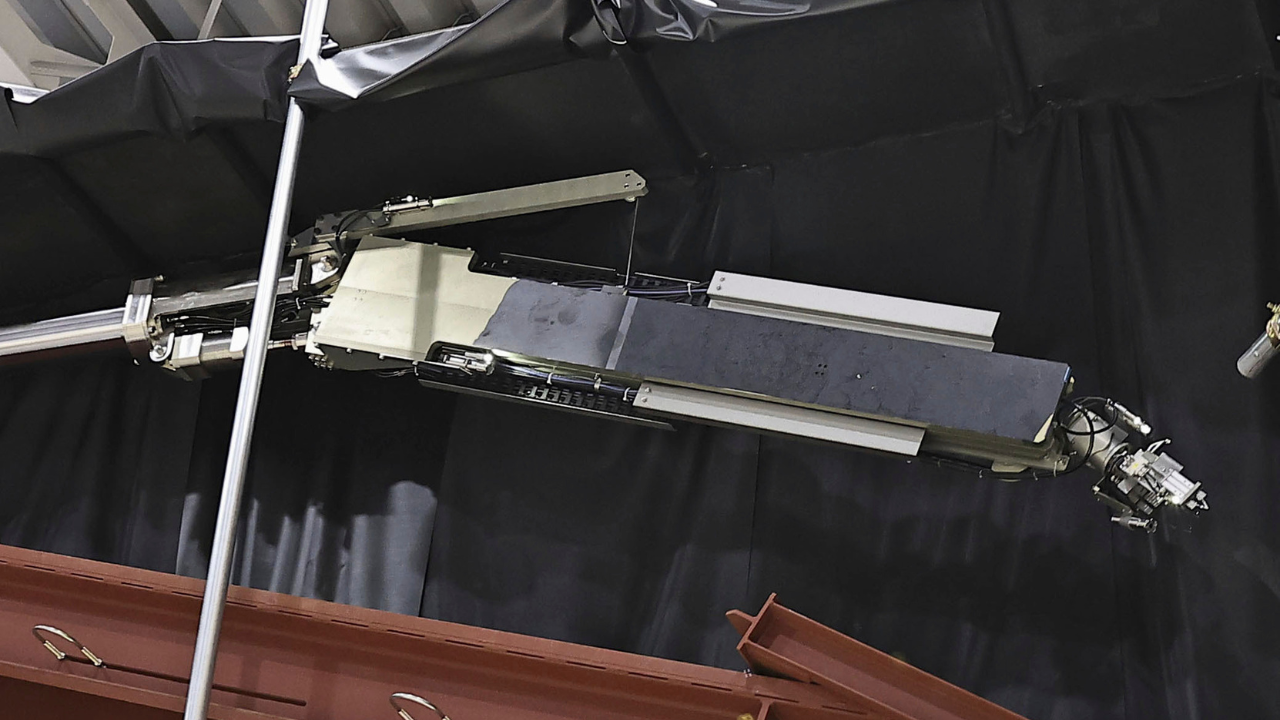
A company recently demonstrated a remote-controlled robot for retrieving melted fuel debris at Japan’s Fukushima Daiichi nuclear power plant, where approximately 880 tons of highly radioactive melted nuclear fuel remain in the three damaged reactors. The plan involves deploying an extendable pipe robot into one of the reactors to begin debris removal by October. Tokyo Electric Power Company Holdings, the operator of the plant, showcased how the robot would retrieve tiny bits of melted fuel debris from one of the damaged reactors for the first time since the 2011 meltdown.
The company plans to deploy a “telesco-style” extendable pipe robot into Fukushima Daiichi No. 2 reactor to test the removal of debris from its primary containment vessel by October. This work is more than two years behind schedule, with the removal of melted fuel initially slated to begin in late 2021 but plagued with delays. The demonstration, held at the Mitsubishi Heavy Industries’ shipyard in Kobe, involved a device equipped with tongs slowly descending from the telescopic pipe to pick up a granule of debris. TEPCO plans to remove less than 1 ounce of debris in the test at the Fukushima plant.
While the timeline for the cleanup of the Fukushima Daiichi plant has been set at 30-40 years by the government and TEPCO, critics argue that this target is overly optimistic. Each of the damaged reactors has unique conditions, and plans must be adjusted accordingly. Better understanding the melted fuel debris within the reactors is vital to their decommissioning process. TEPCO deployed mini drones into the No. 1 reactor’s primary containment vessel to capture images from areas inaccessible to robots earlier this year, highlighting the importance of technology in assessing the situation.
Yusuke Nakagawa, a TEPCO group manager for the fuel debris retrieval program, emphasized the significance of the upcoming test removal of fuel debris from Unit 2 as a crucial step in the decommissioning process. It is essential to proceed with the test removal safely and steadily to pave the way for future work. The difficulty in recovering from the 2011 earthquake and tsunami disaster has been underscored by the delays in removing the melted fuel debris from the reactors, with challenges requiring innovative technologies and careful planning to address.
As TEPCO works towards the removal of melted fuel debris, it is crucial to adapt to the unique conditions of each reactor at the Fukushima Daiichi plant. The successful retrieval of even small amounts of debris in the upcoming test at Unit 2 will be a significant milestone in the decommissioning process. Critics caution that the 30-40 year cleanup target may be overly optimistic, emphasizing the importance of realistic planning and continued innovation. Understanding the melted fuel debris within the reactors remains a key priority for the successful decommissioning of the Fukushima Daiichi nuclear power plant.