




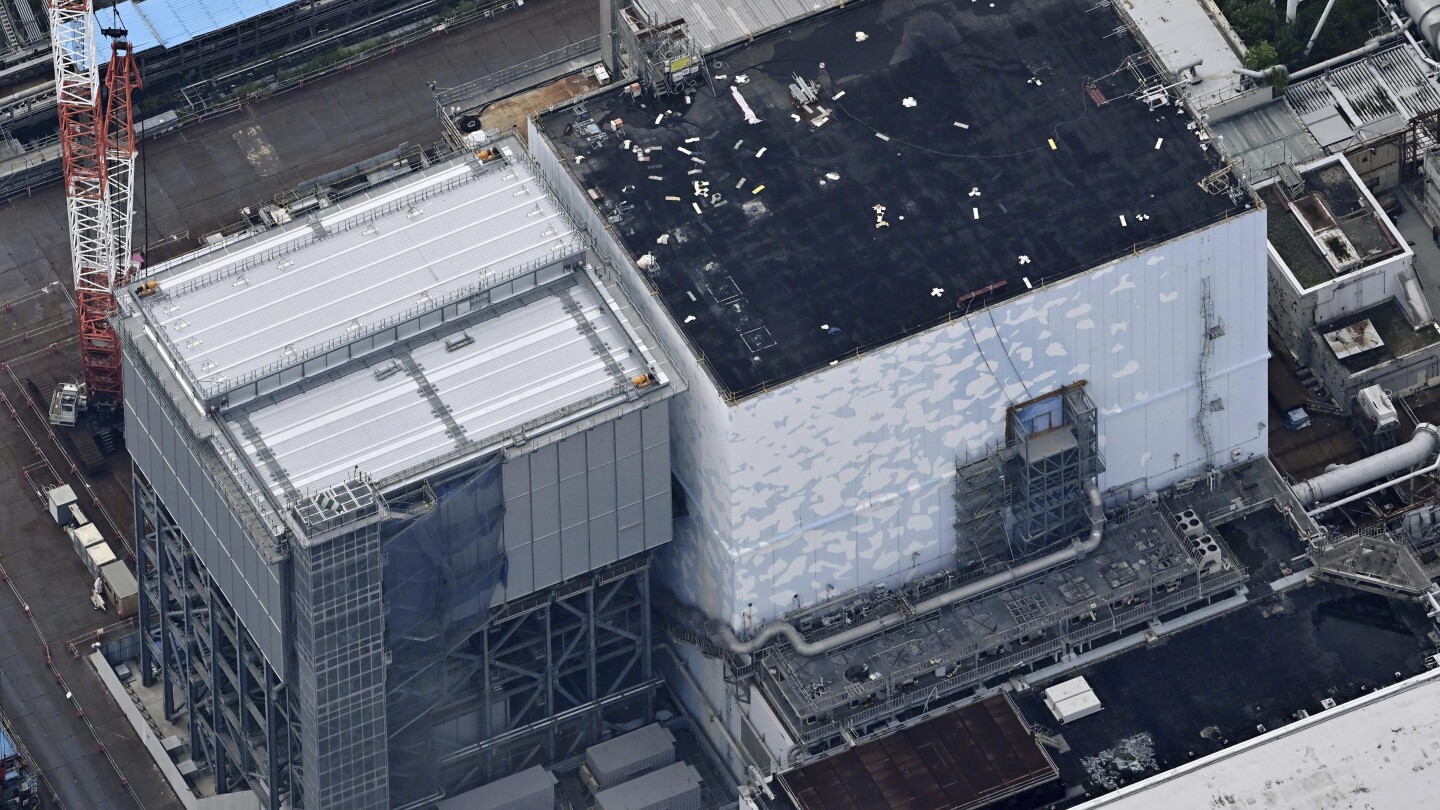
Japan and China have announced a deal to resolve their disputes over the discharge of treated radioactive wastewater from the Fukushima Daiichi nuclear power plant into the Pacific Ocean. Japan’s Prime Minister, Fumio Kishida, stated that China will start working towards easing the import ban on Japanese seafood and will join the expanded monitoring of wastewater discharges under the framework of the United Nations’ atomic agency. The release of treated radioactive wastewater began in August 2023, prompting China to block imports of Japanese seafood. The ban has affected Japanese seafood exporters to China, but Kishida expressed confidence that China will resume imports of Japanese marine products that meet Chinese standards.
The Japanese government sees the deal with China as a breakthrough, but there is no immediate information on when the import ban will be lifted. Kishida emphasized the safety of the water discharges from Fukushima Daiichi and called for China to lift the ban immediately. China’s Foreign Ministry spokesperson, Mao Ning, described the handling of nuclear-contaminated water as both a political and scientific issue and highlighted the bilateral consensus between China and Japan as a positive step for the international community. Japan hopes that the agreement with China will lead to the lifting of bans by Hong Kong, Macau, and Russia.
China’s concerns about the safety of Japanese seafood have not been backed up by scientific data and may be influenced by historical political disputes. Japan is urging Hong Kong to assess its restrictions on Japanese products based on scientific evidence and is emphasizing that the water discharge from Fukushima Daiichi meets international safety standards and is monitored by the International Atomic Energy Agency. Before the deal was announced, Kishida discussed plans with the IAEA Director-General to expand the monitoring system to include Chinese scientists, ensuring compliance with safety standards during the water discharge process.
The Fukushima Daiichi nuclear power plant suffered a meltdown in 2011, leading to the accumulation of large amounts of radioactive water. The plant’s operator, Tokyo Electric Power Holdings Co., is working to decommission the plant and has deemed the discharge of stored water into the ocean as necessary for safety reasons and to create space for other operations. The ongoing discharge has been deemed safe by the IAEA, and the Japanese government is cooperating with the agency to ensure monitoring and sampling of the treated water. The agreement between Japan and China is seen as a significant step towards resolving the dispute over the Fukushima Daiichi water discharge and the subsequent seafood import ban.