




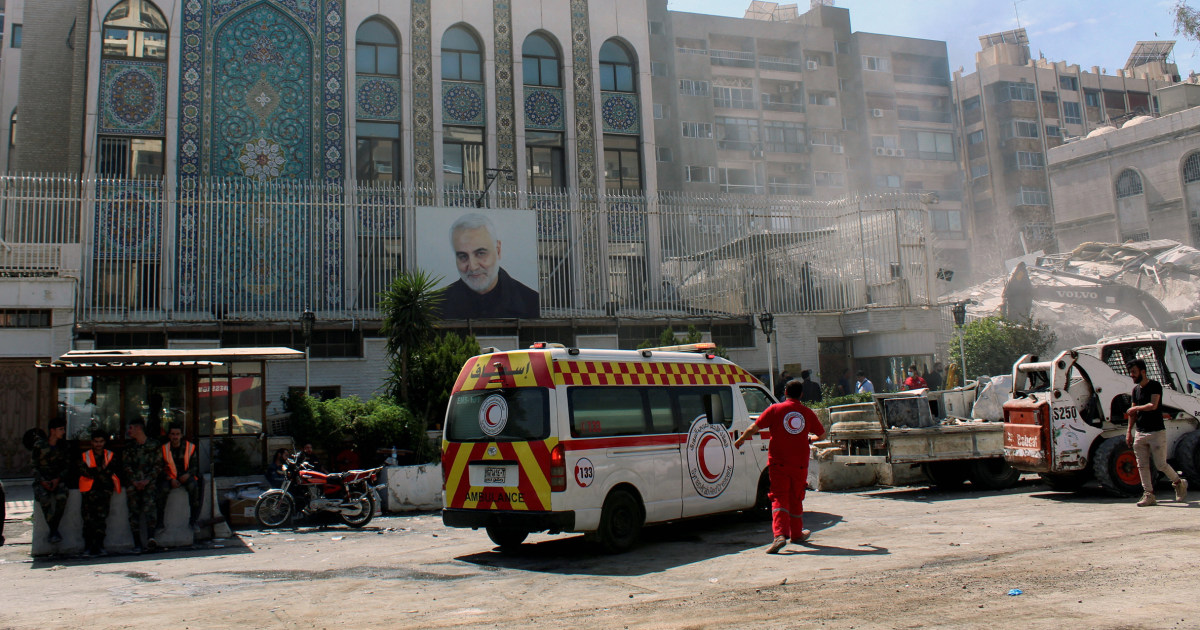
Israel has taken preventive measures due to a possible attack by Iran during the Passover festival, including cancelling school trips and placing the armed forces on full alert. Dozens of combat planes are airborne as part of the state of readiness. President Joe Biden has returned to Washington to consult with his national security team after stating that he expects an Iranian attack against Israel in the near future. Biden’s decision to cut his weekend trip short was made in response to recent events in the Middle East, including an attack on Iran’s embassy compound in Damascus that resulted in the death of a senior commander in the Iranian Revolutionary Guard Corps’ Quds Force and six other officers.
Tensions between Israel and Iran have escalated following the attack on Iran’s embassy compound in Damascus. Tehran has vowed to retaliate, prompting concerns of a potential conflict between the two countries. The situation has raised alarm in Israel, leading to the cancellation of school trips and other youth activities during the Passover festival. The armed forces have been placed on full alert as a precautionary measure against a potential attack by Iran. The presence of combat planes in the air underscores the seriousness of the situation and the need for heightened readiness.
President Joe Biden’s decision to return to Washington to consult with his national security team reflects the seriousness of the situation in the Middle East. Biden’s earlier statement about expecting an Iranian attack against Israel has heightened concerns and prompted a swift response from the White House. The need for urgent discussions and strategic planning in response to potential threats from Iran underscores the complex and volatile nature of the region. The escalation of tensions between Iran and Israel threatens stability in the Middle East and raises fears of further violence and conflict.
The attack on Iran’s embassy compound in Damascus, which resulted in the death of a senior Iranian commander, has intensified hostilities between Israel and Iran. Tehran’s pledge to retaliate has put Israel on high alert and prompted preventative measures to ensure the safety and security of its citizens during the Passover festival. The cancellation of school trips and the mobilization of the armed forces demonstrate Israel’s readiness to respond to any potential threat from Iran. The situation remains fluid and unpredictable, with both countries on edge and the risk of further escalation looming large.
The potential for a military conflict between Israel and Iran has become a grave concern, prompting President Biden to prioritize the situation and seek guidance from his national security team. The need for strategic planning and diplomatic efforts to defuse tensions and avoid a full-scale conflict is paramount. The specter of an Iranian attack against Israel has heightened anxiety and uncertainty in the region, underscoring the delicate balance of power and the potential for widespread instability. Urgent action and clear-headed decision-making are essential in navigating the complexities of the situation and preventing further escalation of hostilities.
In conclusion, the escalating tensions between Israel and Iran have put the region on edge and raised fears of a potential military conflict. The recent attack on Iran’s embassy compound in Damascus and Tehran’s vow to retaliate have heightened concerns and prompted Israel to take precautionary measures to ensure the safety of its citizens. President Biden’s return to Washington and consultations with his national security team underscore the gravity of the situation and the need for swift and strategic responses to prevent further escalation. The situation remains fluid and volatile, requiring careful diplomacy and a firm commitment to peace and stability in the Middle East.