





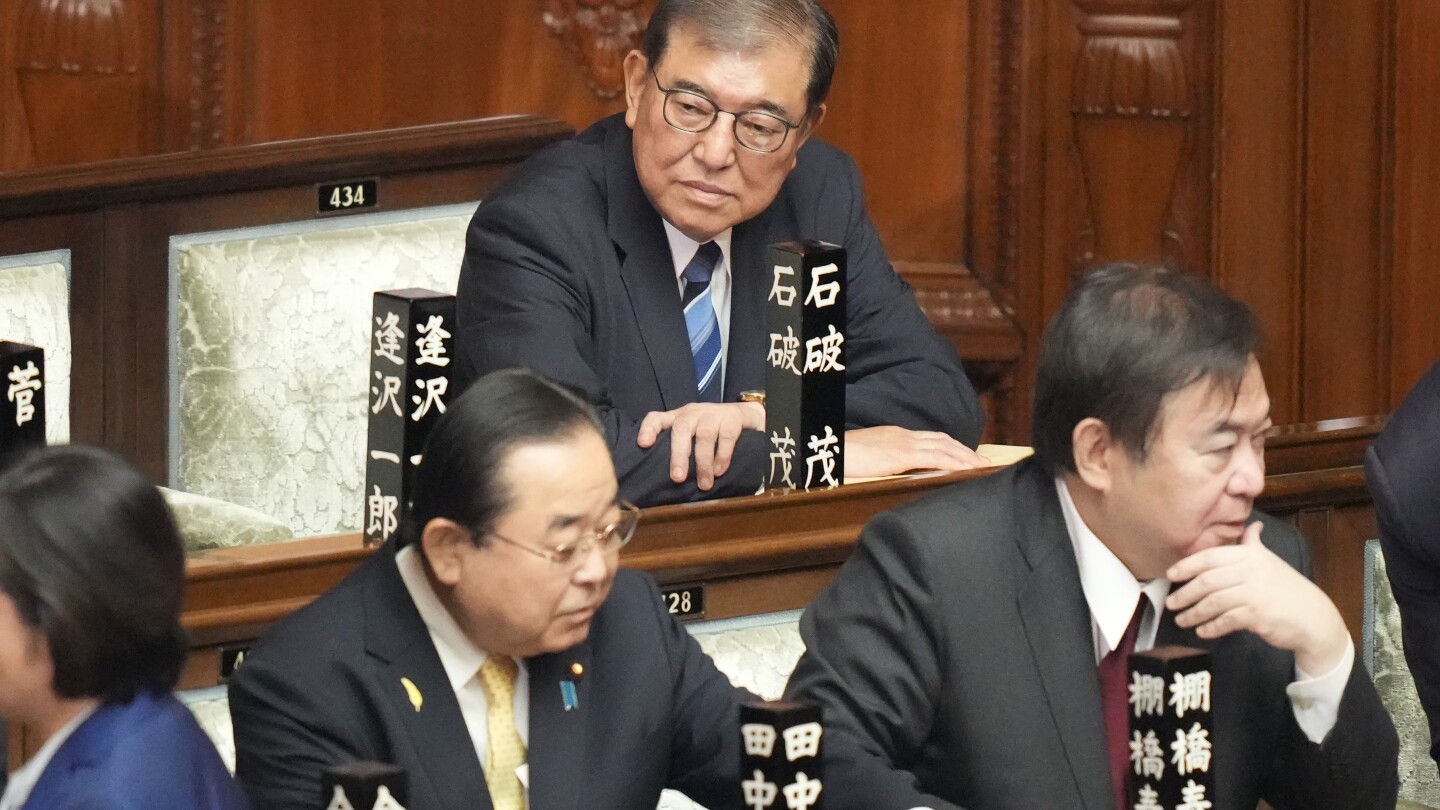
Shigeru Ishiba, Japan’s new Prime Minister, has pledged to prioritize the Japan-U.S. alliance while advocating for a more equitable relationship between the two countries. Following a ceremony at the palace, Ishiba emphasized the need for stronger military cooperation with like-minded partners, highlighting the challenging security environment Japan faces. He proposed a more equal Japan-U.S. security alliance, including joint management of U.S. bases in Japan and having Japanese bases in the United States. Ishiba believes these measures would strengthen the alliance, although he acknowledged that it would take time to implement these changes.
In his first conversation with President Joe Biden, Ishiba reassured Biden of his commitment to strengthening defense and diplomatic policies, as well as building networks with other countries like South Korea. Ishiba also intends to accelerate Japan’s military buildup, in line with the national security strategy adopted by the former government. Despite facing criticism from opposition leaders for announcing plans for a snap election and dissolution of the lower house before becoming prime minister, Ishiba remains focused on obtaining “the people’s verdict” as soon as possible. The delay in approving Ishiba’s new post during a parliamentary session signals a challenging start to his administration.
Ishiba appointed several ministers who supported him in the party leadership poll, including former defense ministers Takeshi Iwaya and Gen Nakatani. He also retained key members from the previous administration, such as Yoshimasa Hayashi as chief Cabinet secretary and Katsunobu Kato as finance minister. However, only two women were included in the Cabinet, highlighting the need for increased gender diversity in Japanese politics. Despite Japan’s low ranking in global gender-equality rankings, the government is under pressure to enhance the representation of women in public office.
Overall, Ishiba’s administration aims to maintain a strong alliance with the United States while pursuing a more balanced relationship. His focus on strengthening Japan’s defense capabilities and building partnerships with like-minded countries reflects the evolving security challenges in the region. As Ishiba navigates the challenges of leading a new government and preparing for a snap election, he will need to address concerns about gender diversity and ensure a smooth transition to his leadership. With a mix of experienced members and fresh faces in his Cabinet, Ishiba’s administration faces a pivotal moment in Japan’s political landscape.