




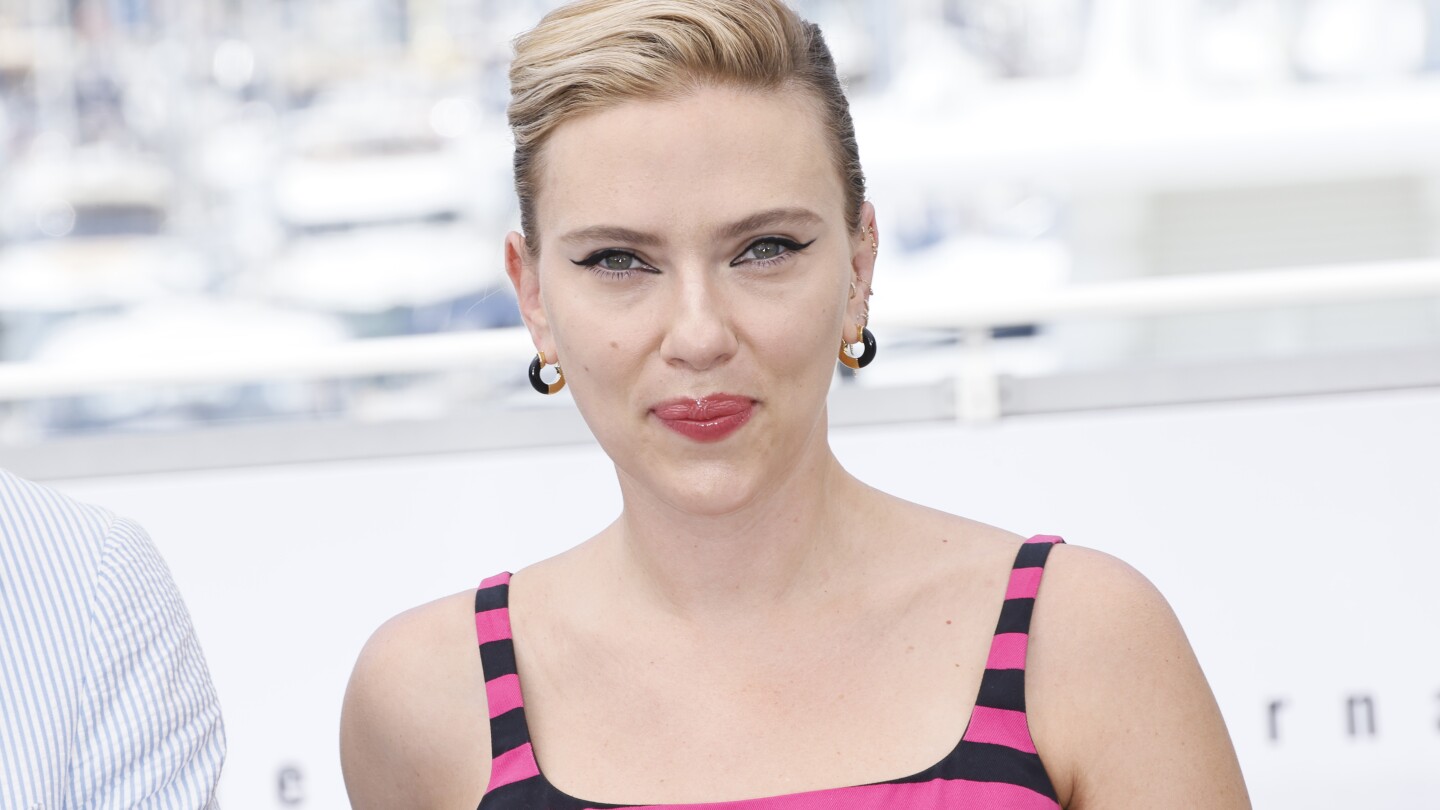
OpenAI has announced that it will pause the use of one of its ChatGPT voices, named Sky, after users noted similarities to Scarlett Johansson’s voice. The company stated that Sky’s voice is not an imitation of Johansson but belongs to a different professional actress. OpenAI debunked theories connecting Sky to Johansson and emphasized that AI voices should not intentionally mimic celebrity voices. While the company did not disclose the names of voice actors for privacy reasons, it decided to temporarily suspend the use of Sky.
Voice capabilities for ChatGPT were introduced by OpenAI in September, including five different voices for users to engage in conversations with the AI assistant. The feature, initially available only to paid subscribers, was made free for all users with the mobile app in November. OpenAI continues to enhance ChatGPT’s interactions, with the latest update allowing the AI model to mimic human cadences in verbal responses and detect people’s moods. The new model, GPT-4o, can reason across text, audio, and video in real time, offering more advanced features to users. The latest demonstrations showcased the AI bot’s ability to add emotions and analyze facial expressions to gauge emotional states.
GPT-4o, also known as “omni,” is still being rolled out to select users gradually, with text and image capabilities already available and voice mode restricted to paid subscribers of ChatGPT Plus. The new model’s advanced features have drawn comparisons to the futuristic AI romance film “Her,” where the protagonist falls in love with an AI-operating system. OpenAI CEO Sam Altman intensified these comparisons by simply posting the word “her” on a social media platform. Many viewers of the model’s demos observed flirtatious tones in the interactions, leading to discussions about the gendered ways tech companies develop and engage with voice assistants. Critics have pointed out the default use of female voices in assistants like Siri and Alexa, highlighting issues of subservience and reinforcing stereotypes.
Some reactions to the AI chatbot’s interactions in the demonstrations last week raised concerns about gender biases and sexist undertones. A female-voiced ChatGPT complimented an employee on their attire, leading to a conversation about the way AI chatbots engage with users. The discussion extends to the ways in which technology companies design voice assistants, with critics suggesting that the development process may cater more to male audiences. This scrutiny of gendered interactions with AI reveals a broader conversation about the ethical implications and societal impact of advancements in generative AI technology, particularly when it comes to human-like interactions and emotional responses.
OpenAI’s decision to pause the use of the Sky voice in ChatGPT reflects the company’s commitment to addressing concerns about voices resembling celebrities and ensuring transparency in its selection process. As AI models like GPT-4o continue to evolve and offer sophisticated features, there is a growing need to consider the societal implications of gendered interactions and emotional responses in AI chatbots. The ongoing discussions around the gender biases in voice assistants and the development of advanced AI technology highlight the importance of ethical considerations and inclusivity in shaping the future of AI-powered communication tools.