



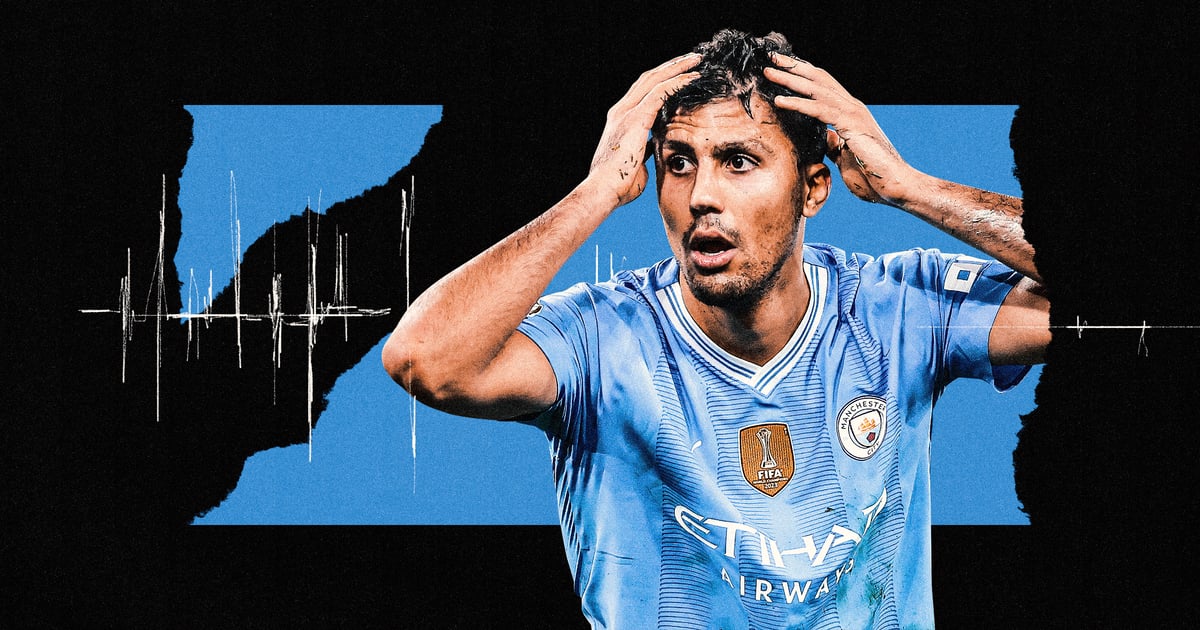
In the wake of increasing demands on Europe’s top-flight footballers, Manchester City star Rodri hinted at the possibility of a players’ strike at a recent press conference. Addressing the issue of gruelling schedules, Rodri stated that too much was demanded of players, with expanded competitions cutting into rest time and pushing players beyond FIFPro’s recommended 55 games per season. With FIFA’s new Club World Cup and additional group games in UEFA’s Champions League, Rodri argues the quality of performance suffers as players become fatigued.
The idea of industrial action is not new among players who often believe their opinions are ignored as organisations like FIFA and UEFA expand their tournaments. Extensive travel for pre-season and post-season tours is another point of contention. In response, the English Professional Footballers’ Association (PFA) and France’s Union Nationale des Footballeurs Professionnels initiated legal action against FIFA in June, arguing against the governing body’s unilateral decision-making powers over the international match calendar.
Strikes, though hinted at by Rodri, remain a last resort and must be backed by a majority of union members. Currently, the PFA represents nearly 5,000 players. Affected organisations like the Premier League, UEFA, FIFA, the FA, and EFL can seek legal redress to block strikes. However, PFA’s chief executive, Maheta Molango, stated that they remained committed to diplomatic negotiations while conceding that a third-party intervention may be needed for resolution.
The possibility of strike action is not unheard of in the annals of English football. In November 2001, the PFA nearly staged a strike following protracted negotiations with the Premier League over the percentage of domestic broadcast deals the union would receive. The disputed strike was called off following an agreement over a $23m offer. An earlier strike threat in 1960 led to the abolition of the wage limit for players.
In the U.S., player strikes are not uncommon, given the extensive power of unions. The NBA and NFL have experienced lockouts due to stalled negotiations, and Major League Baseball experienced a lockout in 2022. However, the dynamics of European football, with its multiple stakeholders, could make negotiations complex in the event of a possible strike.
The most likely target for a potential strike would be FIFA, which has legal control over the international match calendar and is under fire for introducing the new Club World Cup. Meanwhile, Rodri’s comments about potential strikes should not be dismissed as hot air. If significant changes to the calendar are not made, players might consider putting their foot down. The ultimate goal is to secure a more prominent role in football governance. The impending decision from the Brussels Court of Commerce against FIFA could shape the future approach of all parties involved.