




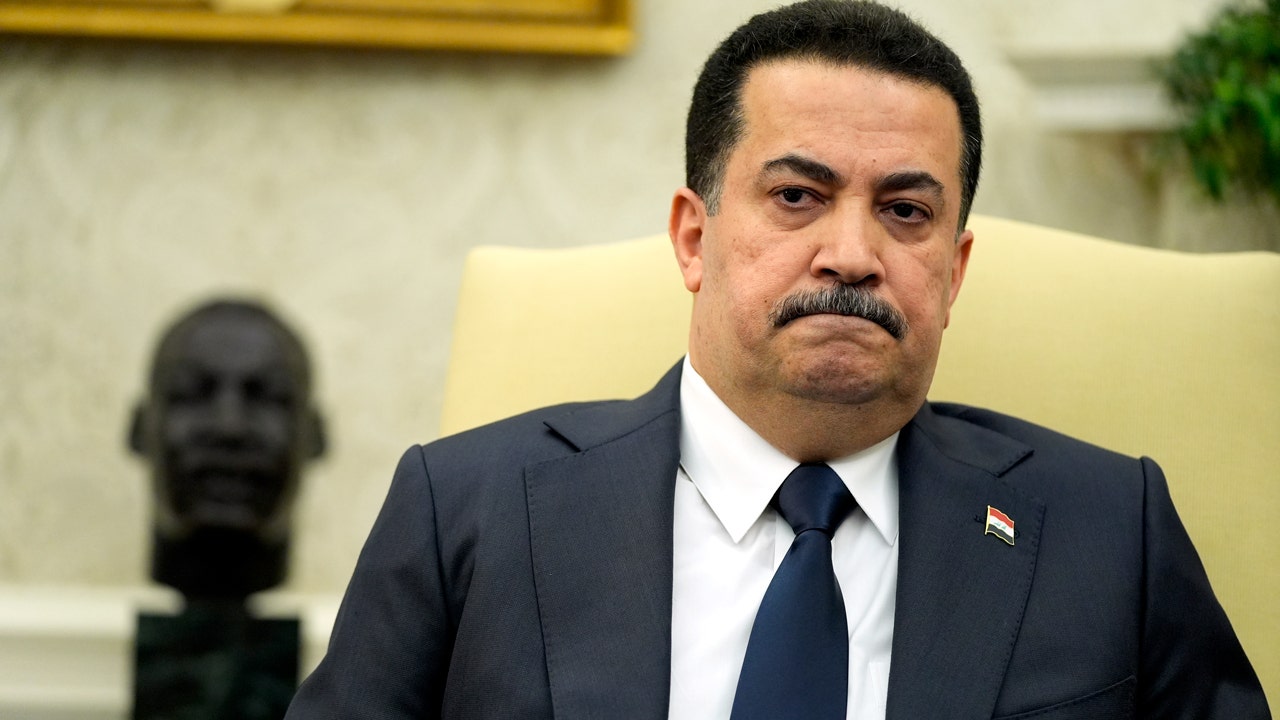
The Iraqi government has formally requested the United Nations to end the United Nations Assistance Mission for Iraq (UNAMI) by the end of 2025. In a letter to U.N. Secretary-General António Guterres, Prime Minister Mohammed Shia al-Sudani explained that the government has made significant progress in areas under the mission’s mandate, making it redundant. While the mission is typically extended annually by the U.N. Security Council, Sudani’s letter proposed a one-year extension to allow for the completion of tasks and a smooth transfer of responsibilities by 2025. Established in 2003 after the U.S. invasion that ousted Saddam Hussein, UNAMI has been involved in facilitating dialogue, election logistics, human rights monitoring, and aid coordination in conflict-affected areas.
The Iraqi government’s move to end UNAMI is part of a broader trend of seeking to wind down international bodies established post-2003. Earlier this year, Iraq began discussions to phase out the U.S.-led military coalition that was formed to combat the Islamic State group. Additionally, Baghdad decided not to renew the mandate for the U.N. Investigative Team to Promote Accountability for Crimes Committed by ISIS and asked the team to exit by September 2024. These actions indicate Iraq’s desire to reduce the presence of international bodies in the country and take on more responsibilities domestically. Both a UNAMI spokesperson and a spokesperson for Sudani declined to comment on the request made by the Iraqi government.
The letter sent by Prime Minister Mohammed Shia al-Sudani emphasized that Iraq has achieved significant progress in areas that were previously overseen by the UNAMI mission, leading to the conclusion that the mission is no longer necessary. While not opposing a one-year extension, Sudani suggested that the mission should focus on completing its tasks and ensuring a smooth transfer of responsibilities by the end of 2025. UNAMI, which was originally established in 2003, has had a wide range of responsibilities, including facilitating dialogue among various groups, assisting with election logistics, monitoring human rights, and coordinating aid in conflict-affected areas.
Iraq’s decision to request the end of UNAMI is part of broader efforts to reduce the presence of international bodies in the country and take on more responsibilities domestically. By seeking to wind down the missions of multiple international bodies, including the U.S.-led military coalition and the U.N. Investigative Team to Promote Accountability for Crimes Committed by ISIS, Iraq is signaling its desire to handle its own governance and security needs. The Iraqi government’s call for the UNAMI mission to conclude by the end of 2025 represents a step towards greater self-sufficiency and autonomy in addressing the country’s governance and human rights issues.
The Iraqi government’s request to end the UNAMI mission by the end of 2025 reflects the progress that Iraq has made in areas previously overseen by the mission. While the mission was originally established in 2003 to support governance and human rights reforms in the country, Iraq now believes that it has achieved enough progress to render the mission redundant. As Iraq looks to reduce the presence of international bodies in the country, the decision to conclude the UNAMI mission by 2025 represents a step towards greater self-reliance and autonomy in addressing its governance and human rights challenges. Both a UNAMI spokesperson and a spokesperson for Prime Minister Sudani declined to comment on the Iraqi government’s request to end the mission.