



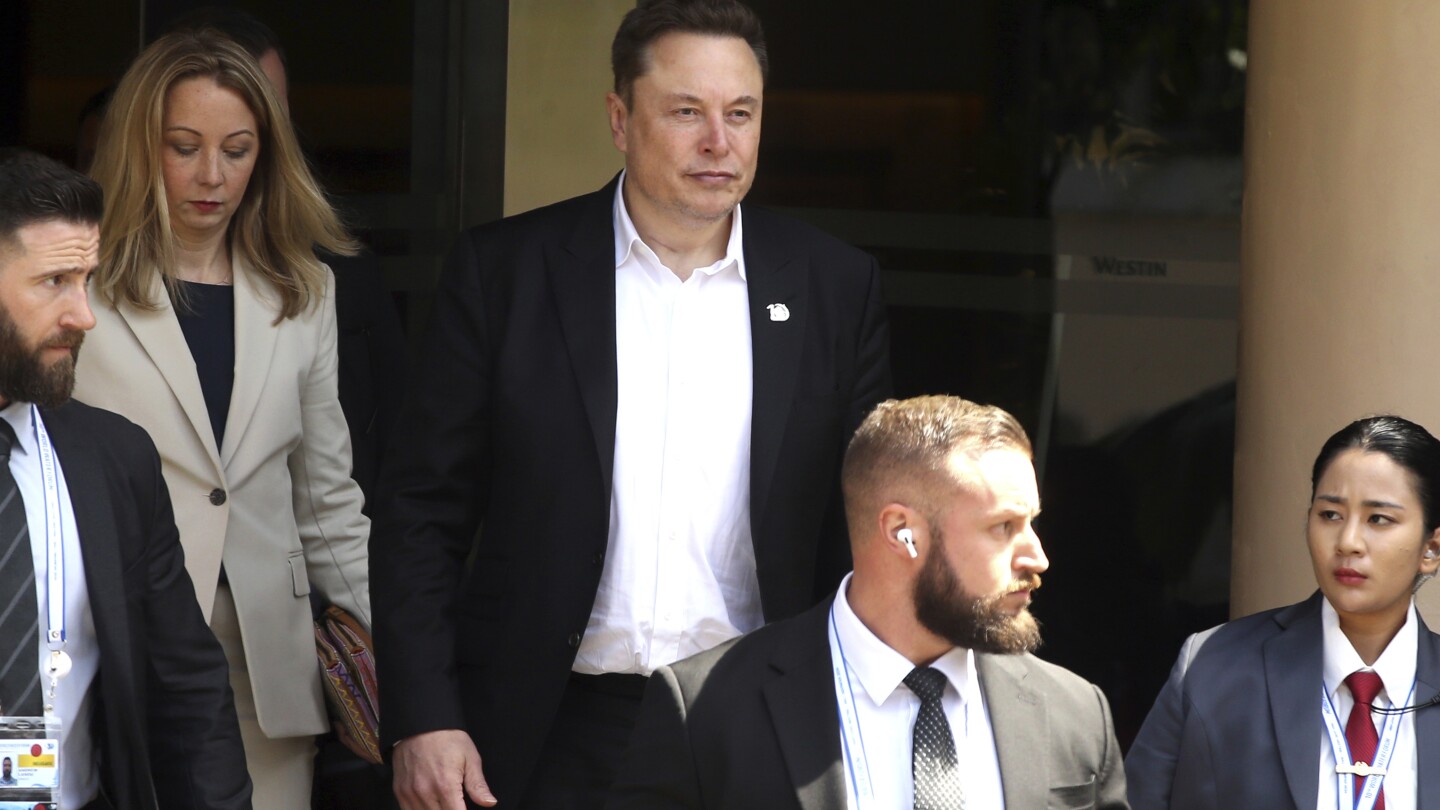
Indonesia is proposing to Tesla CEO Elon Musk the construction of an electric vehicle battery plant in the country, as it aims to build up industries to exploit its rich natural resources, including the world’s largest nickel reserves. Indonesia supplies 40% of the world’s nickel and has the potential to increase this to 75% by 2030. The government has set a goal of producing 600,000 electric vehicles by 2030, with a requirement for EVs and related components produced in Indonesia to contain 60% local content by 2027. Musk met with Indonesian President Joko Widodo during a water conference in Bali, where he launched a Starlink satellite internet service and discussed potential investments in Indonesia.
Indonesia has been trying to secure deals with Tesla for battery investment and SpaceX for providing fast internet access in remote areas of the country. President Widodo also asked Musk to invest in an AI center and build a launchpad for SpaceX in Biak, an island in Indonesia’s easternmost Papua province. While Musk did not make any formal announcements related to his investment plans in Indonesia, he hinted at the likelihood of his company investing in the country. This potential investment comes as US federal highway safety investigators are asking Tesla to explain a fix in a recall of more than 2 million vehicles equipped with the company’s Autopilot partially automated driving system.
Indonesia’s proposal to Musk for the construction of an electric vehicle battery plant comes as the country aims to capitalize on its natural resources for the production of EV batteries and related components. The government is looking to increase its production of electric vehicles and has set targets for the inclusion of local content in EVs produced in the country. Indonesia holds significant nickel reserves, a crucial material for EV batteries and solar panels, making it an attractive location for investment in the electric vehicle industry. The potential investment by Musk’s companies could boost Indonesia’s efforts to become a key player in the global electric vehicle market.
Musk’s meeting with Indonesian officials and experts at the water conference also touched on the potential of desalination to solve water shortages, provided enough energy is available for the process. Indonesia has been exploring various solutions to address water challenges, and Musk’s expertise and resources could play a role in developing sustainable solutions for water scarcity in the country. The discussions at the conference, along with the proposal for an electric vehicle battery plant, highlight the potential for collaboration between Indonesia and Musk’s companies in addressing critical issues such as sustainable energy production and water management in the region.
Despite the discussions and proposals, Musk did not make any formal announcements regarding his investment plans in Indonesia. However, his remarks at a news conference after the launch of the Starlink service indicated a strong possibility of his companies investing in Indonesia. The potential investment could have significant impacts on Indonesia’s economy and industry, particularly in the electric vehicle sector. As Indonesia looks to expand its production of electric vehicles and related components, partnerships with global companies like Tesla and SpaceX could drive innovation and growth in the country’s green economy. The outcome of these discussions and potential investments could shape Indonesia’s position in the global electric vehicle market and contribute to the country’s sustainable development goals.