




U.N. human rights experts have expressed concern regarding the denial of medical assistance to Pavel Kuchynski, a political prisoner in Belarus who has been diagnosed with advanced Hodgkin’s lymphoma. Kuchynski, who was sentenced to nearly five years in prison on charges of insulting the president and threatening violence, is unable to receive a bone marrow transplant due to prison conditions. The experts have called on Belarusian authorities to consider granting him a pardon, remission of sentence, or an alternative form of punishment in light of his deteriorating health.
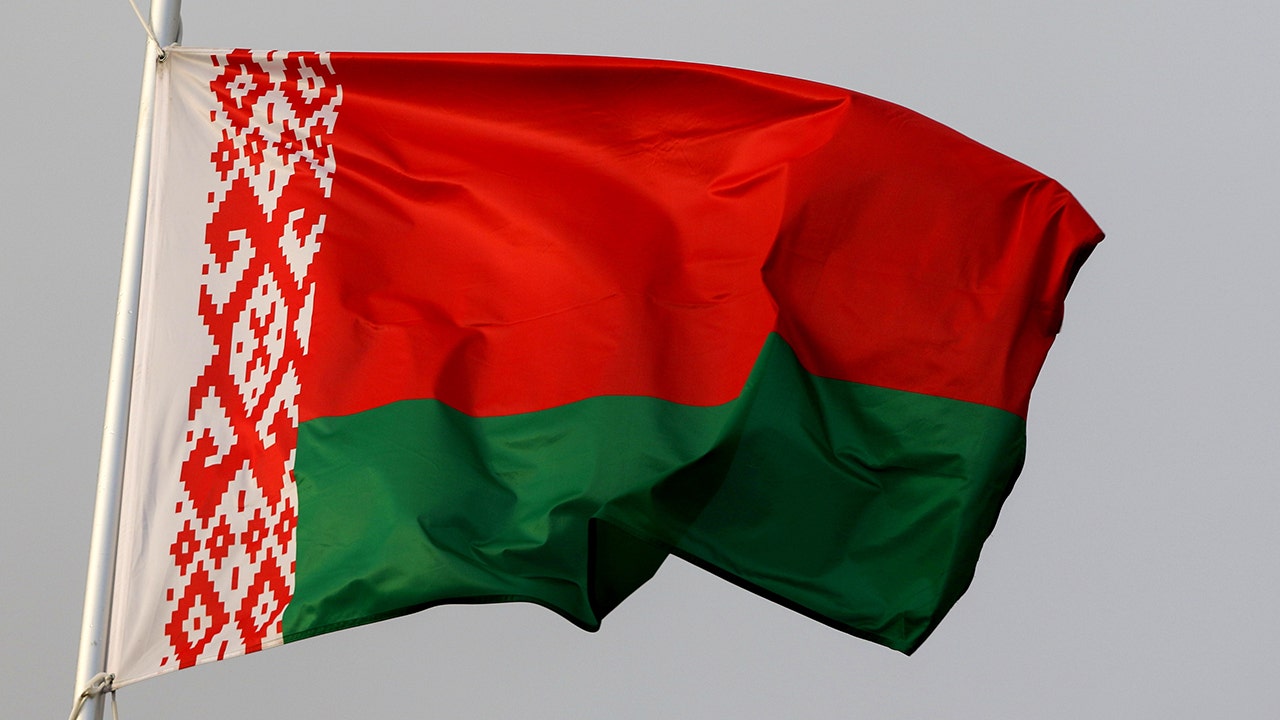
The crackdown on dissent in Belarus has intensified since mass protests erupted following President Alexander Lukashenko’s disputed reelection in 2020. The opposition and Western countries have denounced the election as fraudulent, leading to a wave of repression against activists. According to human rights organizations, there are currently 1,401 political prisoners in Belarus, including Nobel Peace Prize laureate Ales Bialiatski. The Viasna Human Rights Center has reported that at least five political prisoners have died in custody, while around 100 others have serious health issues that could put their lives at risk.
Pavel Sapelka from Viasna has highlighted the harsh sentences imposed by Belarusian authorities on political prisoners, along with the inhumane conditions in which they are held. The denial of medical care to individuals like Kuchynski further exacerbates the situation, making it difficult for inmates to receive adequate treatment for serious illnesses. The case of Kuchynski underscores the precarious situation faced by political prisoners in Belarus, as they are subjected to punitive measures and lack of access to essential medical services.
The U.N. experts have urged Belarusian authorities to prioritize Kuchynski’s health and well-being by providing him with the necessary medical treatment or considering alternative forms of punishment that do not endanger his life. The international community has also been called upon to pressure Belarus to respect human rights and release political prisoners who are at risk of dying in custody. The treatment of political prisoners like Kuchynski reflects a broader pattern of repression in Belarus, where dissent is met with harsh penalties and denial of basic rights.
As the situation in Belarus continues to deteriorate, with more individuals being detained for their political beliefs, it is crucial for the international community to hold the country’s authorities accountable for their actions. By advocating for the release of political prisoners, particularly those with serious health issues like Kuchynski, human rights organizations and foreign governments can help prevent further tragedies from occurring behind bars in Belarus. The plight of political prisoners in the country serves as a stark reminder of the importance of upholding human rights principles and ensuring that all individuals are treated with dignity and respect, regardless of their beliefs or affiliations.