




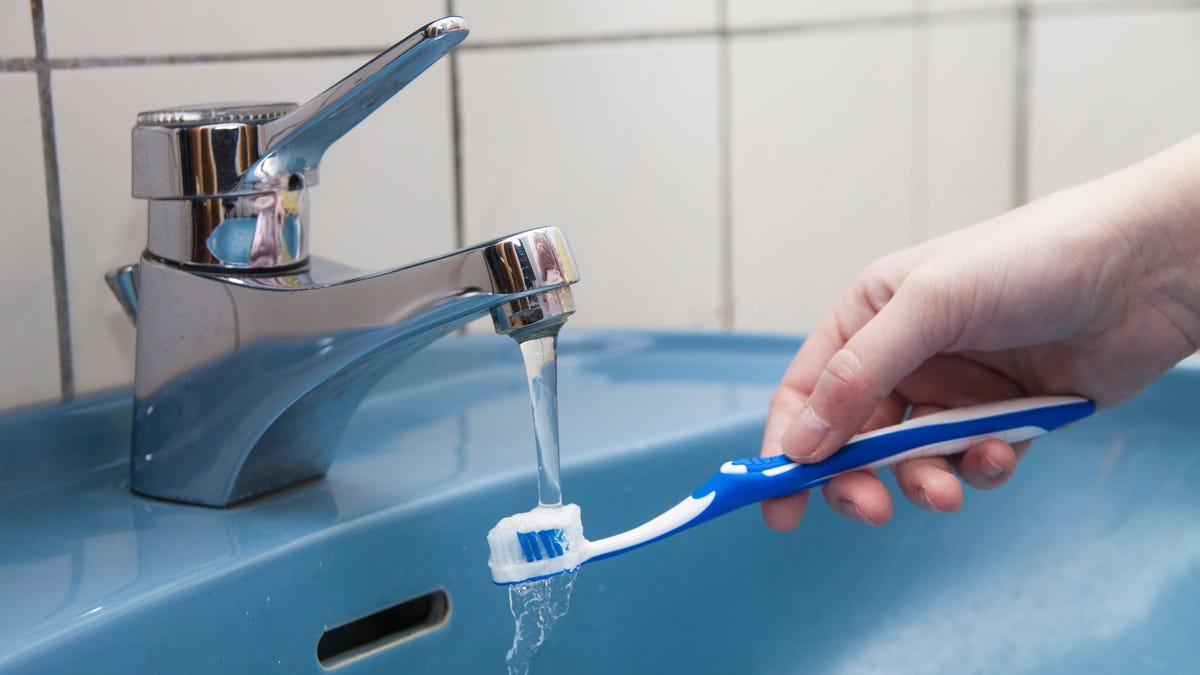
When it comes to brushing your teeth, it’s important to consider whether you should rinse your mouth with water after brushing. Many people, including myself, used to rinse after brushing to remove any leftover toothpaste. However, dentists are now suggesting that leaving the excess toothpaste on your teeth can be beneficial. Fluoride, an important ingredient in toothpaste, helps make the enamel harder and more resistant to cavities. By not rinsing, you can leave the fluoride on your teeth for a longer period of time, increasing its effectiveness.
Dr. Edmond Hewlett, a consumer adviser for the American Dental Association, explains that by not rinsing, you are allowing the fluoride to stay in your mouth longer, giving you a better effect. It’s recommended to wait at least 15 minutes after brushing to drink water, as your saliva will eventually clear out the toothpaste. Hewlett reassures that if you have been rinsing after brushing your teeth all your life, it doesn’t negate the benefits of brushing. As long as you brush twice a day for 2 minutes each time, the fluoride will remain in your mouth to protect your teeth.
Your dental health also plays a significant role in determining whether you should rinse after brushing. Those who struggle with cavities may benefit more from not rinsing, as the fluoride can help prevent cavities. If you are at a higher risk for cavities, it’s important to take additional steps to prevent them, such as consulting with your dentist to address underlying causes. Using mouthwash right after brushing may wash away the concentrated fluoride, so it’s recommended to use mouthwash at a different time, like after lunch or coffee.
In addition to the advice on rinsing after brushing, there are other tips to keep your oral health in check. Always use a soft bristle toothbrush, as medium or hard bristles can increase the risk of gum recession. It’s also important to floss once a day to remove plaque and stuck food. Avoid aggressive brushing, as it can lead to gum recession. Gently brush along the gum line with a soft bristle brush to prevent gum disease. And as always, consult with your dentist for personalized advice based on your oral health profile.
Overall, the decision of whether to rinse your mouth after brushing depends on your individual risk for cavities and oral health needs. While those who typically don’t get cavities may not see a significant difference, individuals at higher risk may benefit from leaving the toothpaste on their teeth. By being mindful of your dental health habits and consulting with your dentist, you can take steps to protect your teeth and maintain good oral hygiene.