



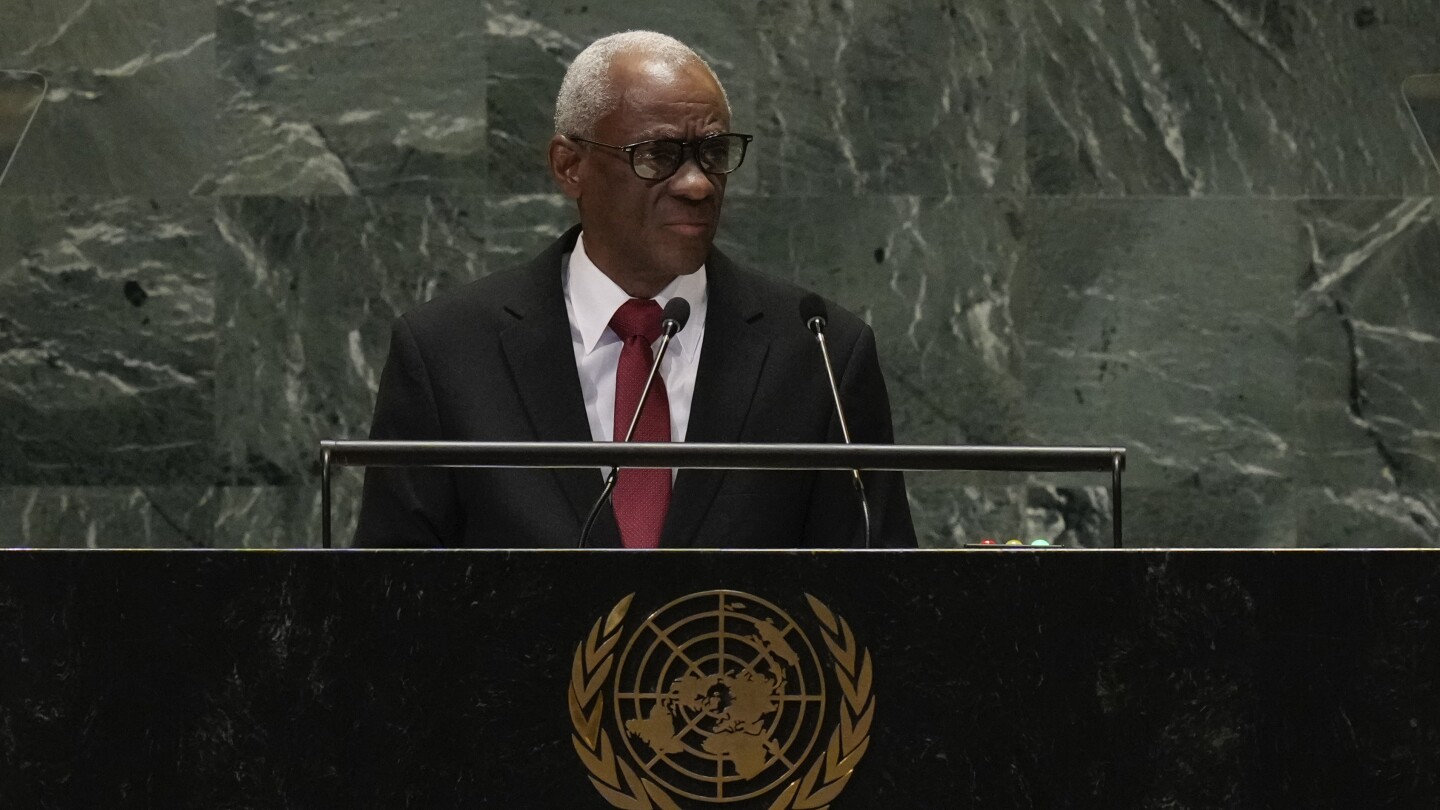
The issue of false claims about Haitian immigrants in the United States was brought to the forefront at the U.N. General Assembly by Edgard Leblanc Fils, the president of Haiti’s transitional council. Fils expressed his country’s concern about the repercussions of these claims, particularly referencing the false rumors that Haitians in Springfield, Ohio, were eating cats and dogs. These debunked claims were echoed by former President Donald Trump during a recent presidential debate, where he criticized the immigration policies of President Joe Biden’s administration, which are supported by his Democratic opponent, Vice President Kamala Harris.
Fils emphasized the importance of solidarity among countries and condemned any incitement to hate against the Haitian community in the United States. He highlighted the historical ties between the U.S. and Haiti and called on the American people to reject xenophobia and racism, especially during election campaigns. Fils noted that the United States is a country built by immigrants from all over the world and serves as a model of democracy for other nations. He urged world leaders to uphold these values and reject false claims and divisive rhetoric.
During the presidential debate, Trump made specific references to Springfield, Ohio, claiming that immigrants were taking control of the city and consuming pets belonging to residents. These statements were widely criticized and debunked by fact-checkers, but they have continued to circulate online and have been amplified by Trump’s running mate, Ohio Sen. JD Vance. The Republican ticket’s criticism of Biden’s immigration policies has become a central focus of their campaign, contrasting with the Democratic support for more inclusive and compassionate approaches to immigration.
The controversy surrounding false claims about Haitian immigrants reflects a broader issue of misinformation and divisive rhetoric in American politics. The spread of misinformation, particularly about marginalized communities, can have real-world consequences and contribute to discrimination and prejudice. Fils’ address at the U.N. General Assembly serves as a reminder of the importance of upholding democratic values, promoting unity, and rejecting hate speech and xenophobia. It highlights the need for greater awareness and accountability in political discourse, particularly during sensitive and polarized election campaigns.
As world leaders gather at the U.N. General Assembly to address global challenges and priorities, the issue of immigration and human rights remains a critical focus. The treatment of immigrants, refugees, and marginalized communities is a key concern for many countries, and the need for empathy, understanding, and solidarity is paramount. Fils’ speech serves as a call to action for countries to uphold their values, reject discrimination, and work towards a more inclusive and equitable society. It underscores the importance of dialogue, cooperation, and mutual respect in addressing complex issues and building a brighter future for all nations and communities.