






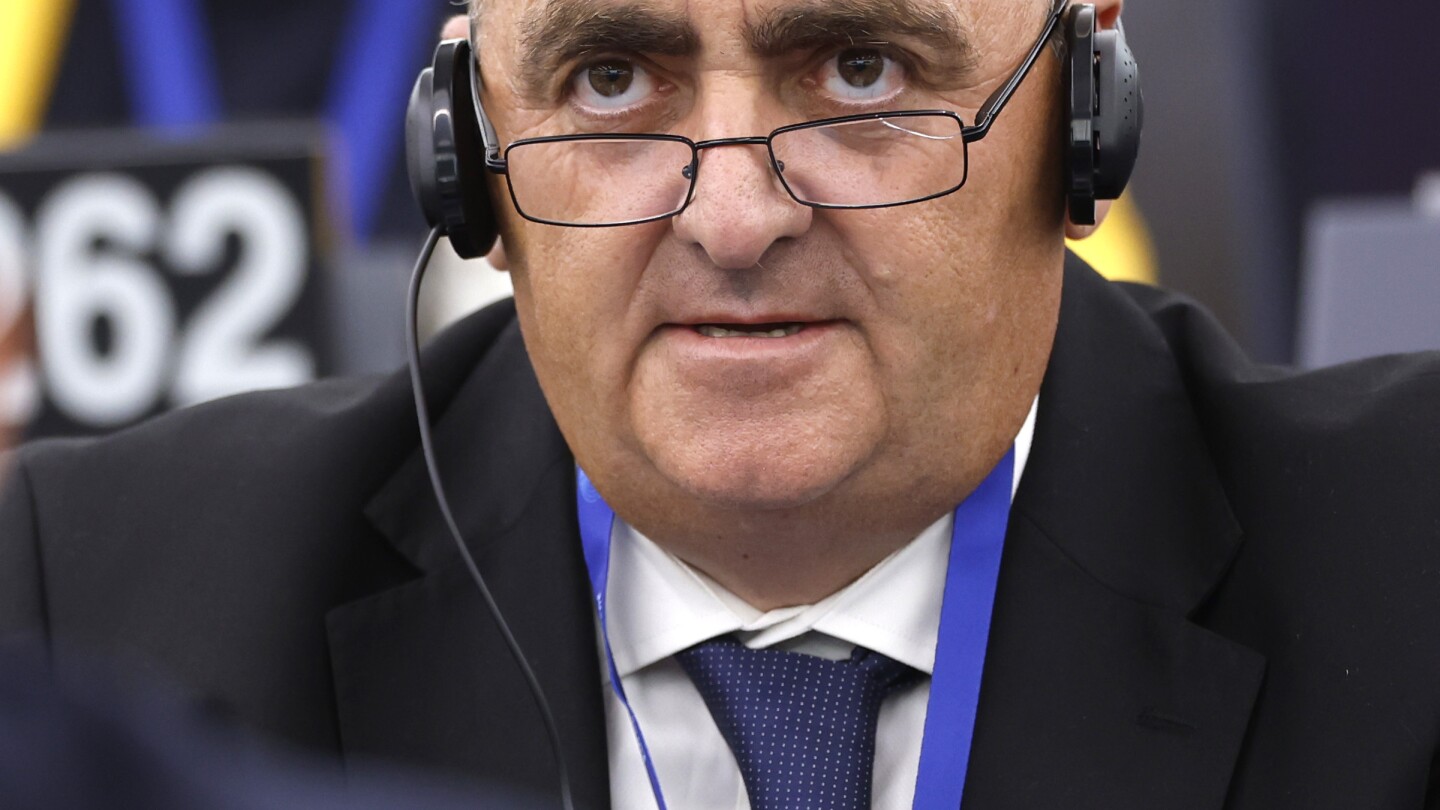
Beleris’s case highlights the complex relationship between Albania and Greece, two neighboring countries with intertwined histories and significant ethnic minority populations. The ethnic Greek minority in Albania has long faced discrimination and marginalization, and Beleris’s case has raised concerns about political motivations behind his prosecution. Greece has criticized Albania for targeting Beleris, arguing that the charges against him are politically motivated.
Beleris’s election to the European Parliament adds another layer of complexity to his case, as he now enjoys legal immunity from prosecution within the EU. However, Albania is not yet a member of the EU, meaning that the immunity granted to European Parliament members does not apply in Beleris’s case. This has raised questions about whether he will be able to continue serving as a member of the European Parliament while facing a prison sentence in Albania.
The election in Himara, where Beleris was charged with vote-buying, was highly contentious, with tensions running high between the ethnic Greek minority and the Albanian government. Beleris’s victory, followed by his arrest and subsequent conviction, has further exacerbated these tensions and raised concerns about the fairness of the electoral process in Albania. The upcoming re-election in Himara on August 4 will be closely watched to see how the situation unfolds.
Beleris’s return to prison after a brief reprieve to attend the opening session of the European Parliament underscores the challenges he faces in balancing his political duties with his legal troubles. Despite maintaining his innocence, Beleris must now serve out his two-year prison sentence while also fulfilling his responsibilities as a member of the European Parliament. This situation highlights the complexities of political and legal systems in the region and raises questions about the implications of Beleris’s case for the broader relationship between Albania and Greece.
As Beleris navigates the legal proceedings against him in Albania, his election to the European Parliament may provide him with a platform to raise awareness about issues facing the ethnic Greek minority in Albania. By representing Greece’s ruling party in the European Parliament, Beleris could potentially bring international attention to the challenges faced by minority populations in the region and advocate for their rights on a larger stage. This could have implications for the broader efforts to address discrimination and marginalization in Albania and beyond.
Overall, Beleris’s case highlights the intersection of politics, law, and ethnic identity in the complex relationship between Albania and Greece. His election to the European Parliament adds a new dimension to his legal troubles, raising questions about the implications of his dual roles as a politician and a convicted criminal. As Beleris continues to serve his prison sentence and fulfill his duties in the European Parliament, the outcome of his case will be closely watched for its potential impact on the broader issues of minority rights, political manipulation, and electoral integrity in the region.