



India’s upcoming general election is poised to be one of the most significant democratic exercises in the world, with Prime Minister Narendra Modi facing off against a broad alliance of opposition parties. Modi, a Hindu nationalist, first came to power in 2014 on promises of economic development and anti-corruption measures. However, his tenure has been marked by increasing attacks on minorities, particularly Muslims, and a shrinking space for dissent and free media. Under Modi’s leadership, India has emerged as a rising global power, but his rule has also seen rising unemployment and economic inequality.
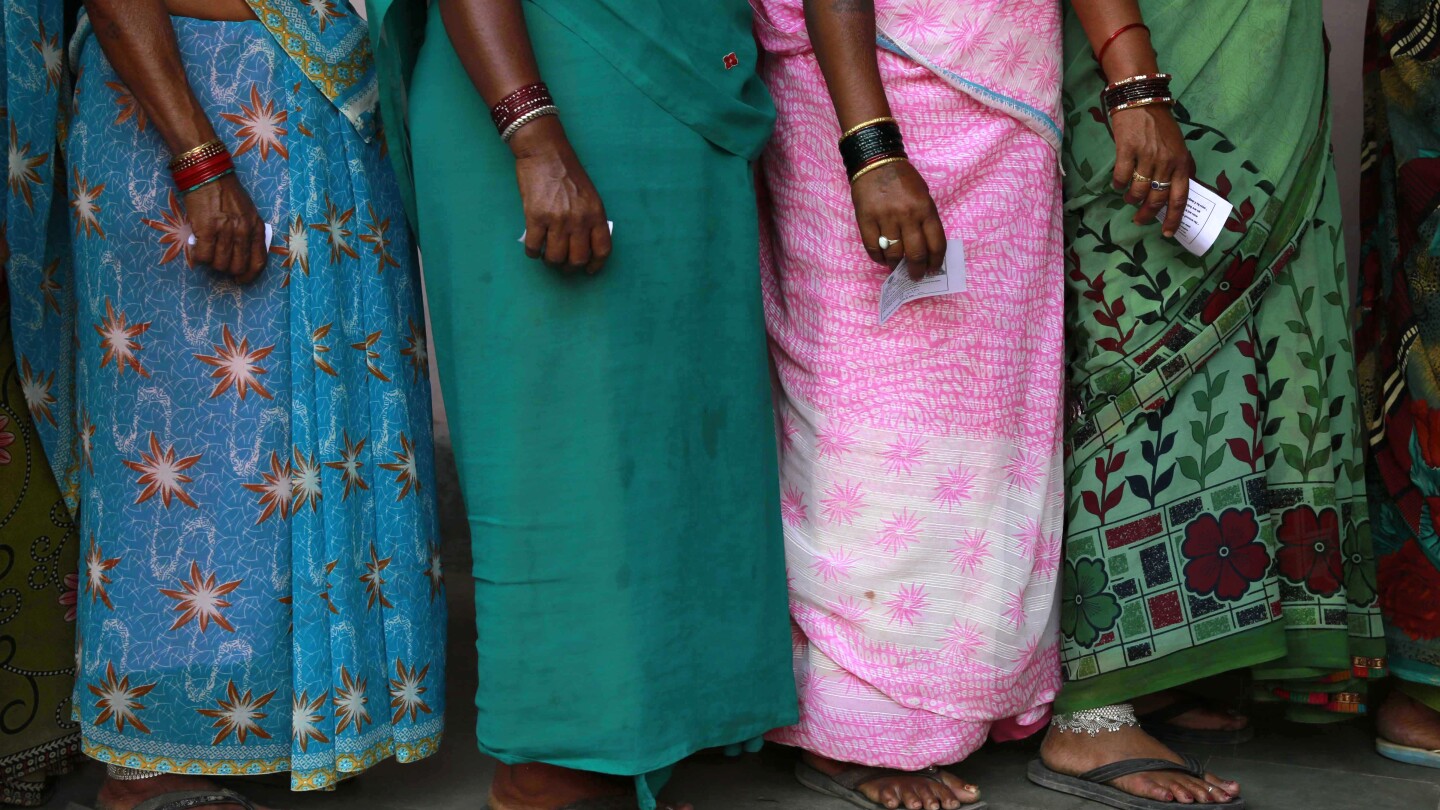
The general election, which will take place over a six-week period starting on April 19 and culminating in results on June 4, will see over 970 million voters electing 543 members of the lower house of Parliament. The polls will be held in seven phases across multiple states, with each phase lasting a single day. India utilizes electronic voting machines for its elections, which has raised concerns about the security and integrity of the voting process. To secure a majority, a party or coalition must win at least 272 seats in Parliament.
Modi’s main challenger in the upcoming election is Rahul Gandhi of the Indian National Congress, with several regional parties forming an opposition alliance to challenge Modi’s dominance. This alliance, known as INDIA, aims to deny Modi a third consecutive victory. However, most surveys suggest that Modi is likely to win comfortably, especially after he fulfilled his party’s long-held Hindu nationalist pledge by opening a temple in Ayodhya in January. Another victory for Modi would solidify his position as one of India’s most popular and influential leaders, following a decisive win in the 2019 election.
The upcoming election will test India’s democratic values and institutions, as Modi’s rule has been marked by a erosion of some democratic norms. Critics accuse Modi of using a Hindu-first platform that endangers the country’s secular roots, while media freedom has declined under his leadership. The courts have largely sided with the government, and centralization of executive power has strained India’s federalism. Economic issues, including high income and wealth inequality, are also at the forefront of the election, as India’s growth has not translated into enough jobs for young Indians.
Despite its economic growth and global power status, India faces challenges in addressing job creation, income inequality, and social welfare. The government has implemented welfare programs to woo voters but has struggled to create enough jobs for the country’s young population. The upcoming election will be a critical moment for India’s future, as voters decide between continuity under Modi’s leadership or a shift towards a more inclusive and diverse political landscape. With the world’s largest democratic election on the horizon, all eyes are on India as it navigates this pivotal moment in its history.