




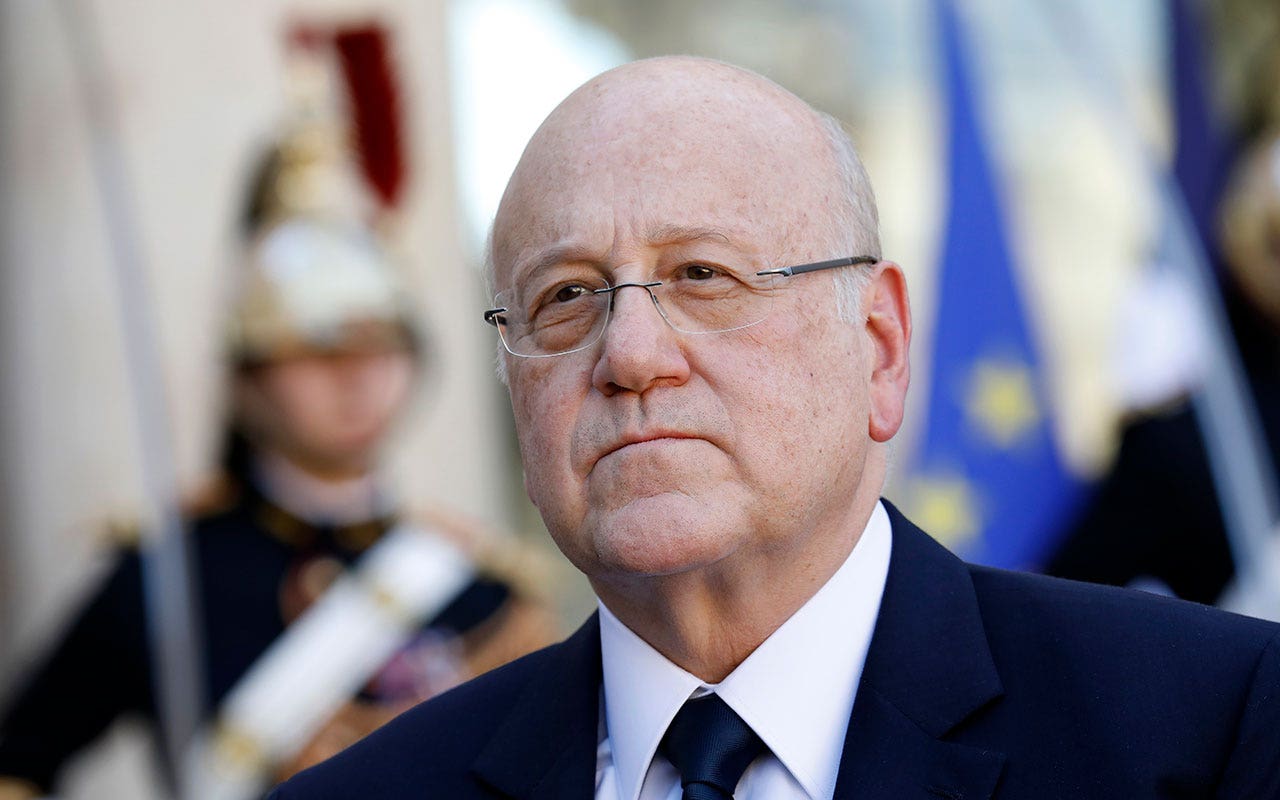
Lebanon’s Prime Minister Najib Mikati is currently under scrutiny after two anti-corruption groups in France filed a complaint accusing him of money laundering. The complaint was officially lodged with France’s National Financial Prosecutor’s office by Sherpa and the Collective of Victims of Fraudulent and Criminal Practices. The groups are seeking to investigate how Mikati and other Lebanese political figures amassed significant wealth and the role of financial intermediaries in these acquisitions. While the details of the alleged sums of money involved have not been disclosed, French prosecutors have not yet made a decision on whether to initiate an investigation.
Mikati, who is one of the wealthiest individuals in Lebanon, has vehemently denied the accusations of money laundering. He released a statement through Lebanon’s National News Agency asserting that he and his family have always acted within the confines of the law. Mikati defended his family’s integrity and emphasized the transparency of their business dealings. Despite the allegations against him, Mikati has yet to face any formal charges or investigations from French authorities. He has been serving as Lebanon’s prime minister since 2021, bringing with him a significant amount of experience from his successful telecom business ventures.
The complaint filed against Mikati also raises questions about the origin of the funds that have passed through the French banking system. This highlights the concerns about how political figures in Lebanon have accumulated substantial assets and whether these acquisitions were achieved through legitimate means. The anti-corruption groups behind the complaint are pushing for a deeper investigation into the financial activities of Mikati and other prominent figures. The allegations against Mikati have added to the political and economic challenges facing Lebanon, a country plagued by corruption and economic instability.
Mikati’s wealth stems from his involvement in the telecommunications sector, having founded Investcom with his brother Taha in the 1980s. The company was ultimately sold to South Africa’s MTN Group in 2006 for a staggering $5.5 billion. Mikati’s success in business has made him one of the most influential and affluent individuals in Lebanon, positioning him as a key player in the country’s political landscape. The allegations of money laundering against Mikati have raised concerns about the transparency and legitimacy of the financial dealings of Lebanon’s political elite, adding further complexity to the country’s already turbulent situation.
While the investigation into the allegations of money laundering against Mikati is still in its early stages, the accusations have sparked discussions about the accountability of political leaders in Lebanon. The case also underscores the broader issue of corruption and illicit financial activities that have plagued the country for years. As Lebanon continues to grapple with economic challenges and political instability, the allegations against Mikati serve as a reminder of the need for greater transparency and oversight in the country’s financial systems. It remains to be seen how this case will unfold and what implications it may have for Lebanon’s future.