






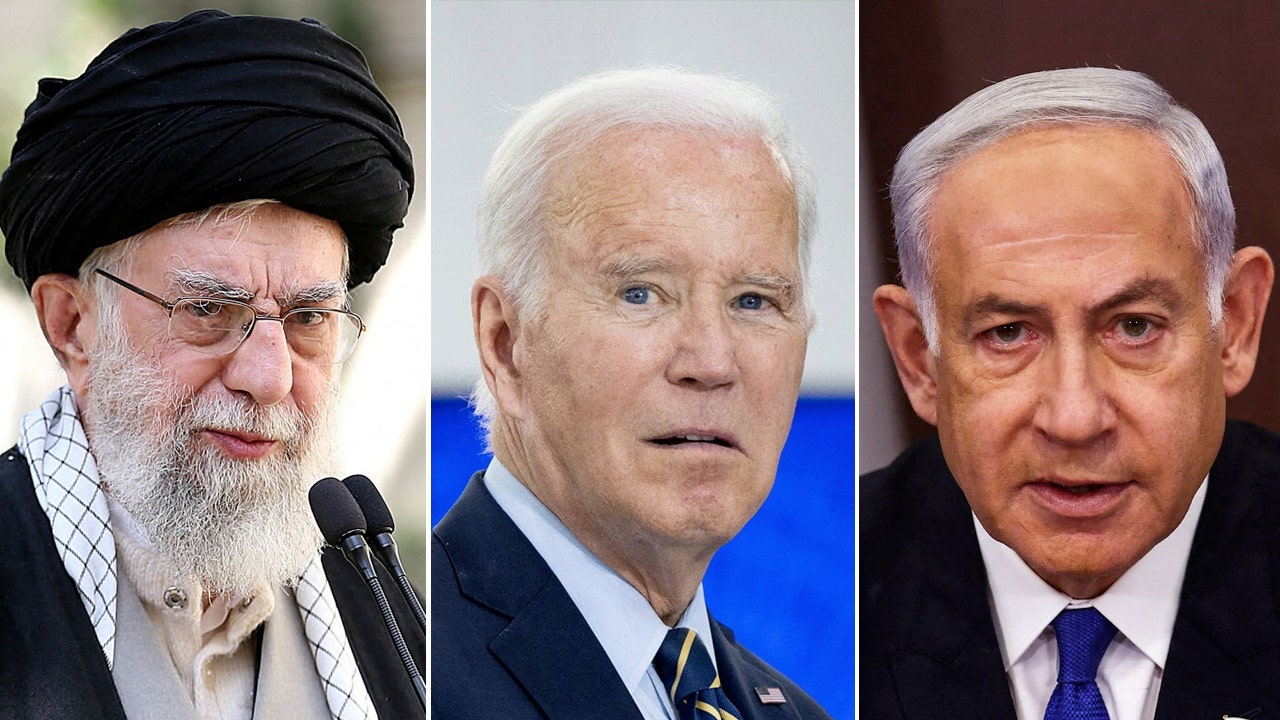
Former Israeli Defense Minister Avigdor Lieberman has accused the Biden administration of allowing Iran to pursue a nuclear weapon with the intention of targeting Israel. Lieberman stated that Iran is planning a Holocaust against Israel in the next two years and warned of an Iranian extermination program. Israeli Brig. Gen (Res.) Yossi Kuperwasser also suggested that Iran may try to break out with a bomb soon, as they have enough material to produce the necessary fissile material for three bombs within a month.
Recent weeks have seen increased regulatory, diplomatic, and congressional activity directed at Iran over its illicit atomic weapons program. The International Atomic Energy Agency (IAEA) censured Iran for its lack of cooperation with inspectors, with Britain, France, and Germany initiating the resolution. The Biden administration reportedly sought to dissuade the Europeans from criticizing Iran at the IAEA, although the U.S. State Department denied these claims. Eventually, the U.S. agreed to join the Europeans in reprimanding Iran.
The United Kingdom, France, and Germany sent a letter to the United Nations Security Council outlining Iran’s alleged violations of the 2015 nuclear deal. In response, Republican lawmakers submitted a resolution calling for the issue to be referred to the U.N. Security Council and affirming that all measures will be taken to prevent Iran from acquiring nuclear weapons. The Trump administration withdrew from the Iran nuclear deal in 2018, citing its temporary restrictions on Iran’s nuclear capabilities.
Iran’s senior aide and overseer of nuclear talks, Ali Shamkhani, issued a defiant statement in response to the efforts to manage Iran’s nuclear activities. A report revealed that as of May 11, Iran had 313.2 pounds of uranium enriched up to 60%, a step away from weapons-grade levels. This has raised concerns about Iran’s nuclear ambitions, with suggestions that the country may be seeking to develop a nuclear weapon.
The Biden administration has faced criticism for allegedly avoiding confrontation with Iran, which some fear may enable Iran to accelerate its nuclear program. Diplomatic sources indicated that the EU was initially reluctant to reprimand Iran at the IAEA, highlighting potential divisions in the international response to Iran’s nuclear activities. Despite these challenges, efforts continue to prevent Iran from obtaining a nuclear weapon, with a focus on sanctions, deterrence, and international isolation.
Ultimately, the escalating tensions surrounding Iran’s nuclear program have raised concerns about the possibility of conflict in the region. Israeli officials and international partners are closely monitoring Iran’s actions and working to address the threat posed by its pursuit of nuclear weapons. The future of the Iran nuclear deal and the response of the international community remain key factors in determining the outcome of this situation.