




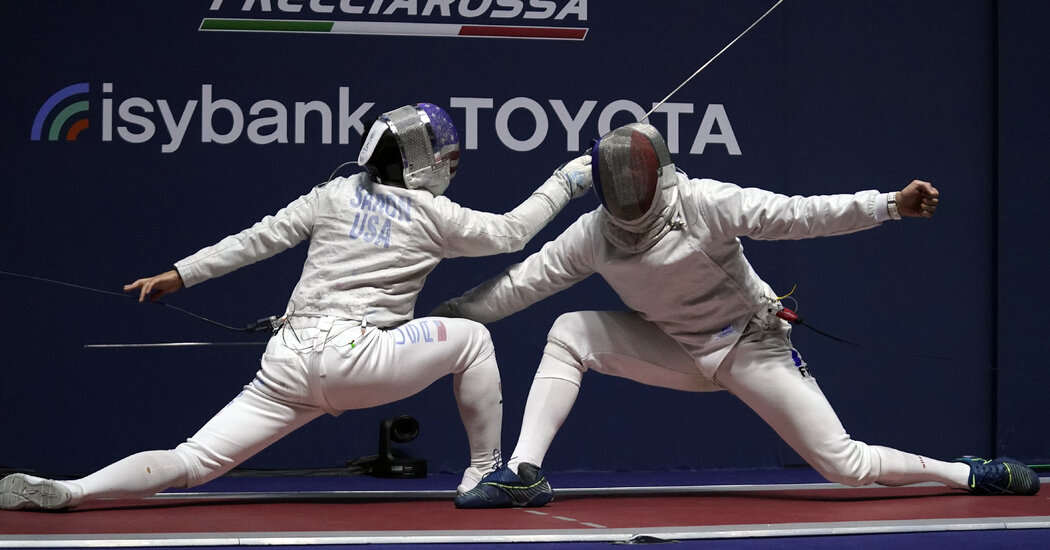
Fencing, a traditional Olympic sport, has been marred by controversy in recent months due to concerns about refereeing integrity and potential match-fixing. Two international saber fencing referees were suspended by USA Fencing after admitting to communicating with each other during an Olympic qualification tournament. Additionally, there were allegations of favoritism towards certain athletes and potential match manipulation. Elite fencers called for stricter penalties and increased protection for the sport, questioning the honor and integrity that fencing is meant to embody.
While fencing relies on electronic scoring, referees play a crucial role in enforcing the rules and making subjective judgments during matches. Saber fencing, known for its explosive lunges and simultaneous touches, presents challenges for referees and opens up room for potential corruption. The suspended referees denied any wrongdoing, and investigations found no concrete evidence of collusion or manipulation. However, concerns about improper officiating and favoritism persisted, casting doubt on the fairness of competitive fencing.
USA Fencing raised alarms about questionable officiating involving top American fencers, Tatiana Nazlymov and Mitchell Saron, during international competitions. The federation requested that certain referees not be assigned to bouts involving these athletes due to suspected favoritism. Ultimately, both fencers were selected to represent the U.S. in the Paris Olympics, and preliminary investigations found no evidence that they were actively involved in manipulating their own bouts. The federation’s efforts to address concerns and protect the integrity of the sport remained ongoing.
The involvement of prominent fencing figures, such as the Nazlymov family, further complicated the situation. Tatiana Nazlymov, a descendant of Olympic champions, faced accusations of benefitting from preferential officiating. Her coach, who also serves as an international referee, raised concerns about potential conflicts of interest. Videos posted online depicting interactions between referees, coaches, and fencers fueled suspicions of improper conduct within the fencing community.
Elite fencer Eli Dershwitz expressed confidence in the integrity of fencing despite ongoing controversies and irregularities. While acknowledging that conflicts exist within the sport, Dershwitz believed in the honesty of his Olympic teammates and emphasized the importance of addressing any blatant wrongdoing. Fencing, with its long history and complex rules, continues to grapple with issues of fairness, transparency, and accountability. Efforts to preserve the honor and integrity of the sport remain essential as it prepares for the Paris Olympics and beyond.