




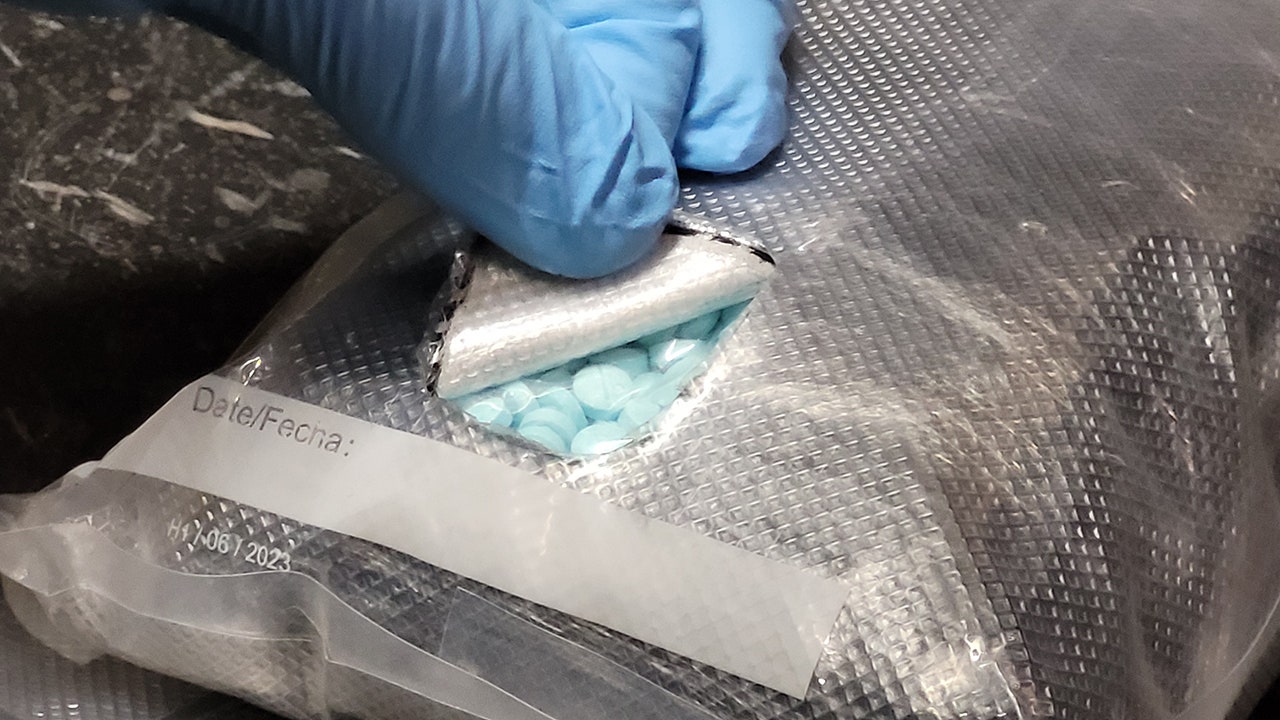
Mexico is currently facing a significant shortage of fentanyl for medical use, as reported by the country’s government. The National Commission on Mental Health and Addictions labeled the shortage as a worldwide issue, though no specific reason was given for the shortage. Despite the scarcity of authorized fentanyl for medical purposes, Mexican cartels are producing and selling tons of the drug illegally. The paradox highlighted in the report brings attention to the fact that while Mexico is struggling to access fentanyl for legitimate medical needs, cartels are importing precursor chemicals and producing their own fentanyl to smuggle into the United States.
The National Commission on Mental Health and Addictions noted that fentanyl needs to be imported and that imports saw a significant drop of over 50% between 2022 and 2023. However, Mexican cartels do not seem to have any trouble acquiring the necessary chemicals to produce their own fentanyl. The report highlighted that Mexican seizures of illegal fentanyl have been increasing, with 1.24 tons seized in 2020 rising to 1.85 tons in 2023. The illegal fentanyl that is being imported is contributing to an increase in addiction in Mexican border regions. This has been blamed on the excessive use of opioids in the United States, according to the report.
The shortage of medical anesthetic drugs, including fentanyl, has resulted in challenges within the Mexican healthcare system. Anesthesiologists have resorted to acquiring their own supplies of drugs and administering multiple doses from a single vial to conserve resources. This practice led to a meningitis outbreak in Durango in 2022 that resulted in several deaths. The Mexican government has seen an increase in requests for addiction treatment, though the numbers may not accurately reflect the true scope of the issue due to limited treatment options within the country. The shortage of fentanyl for medical use has led to real health crises and challenges for healthcare providers in Mexico.
President Andrés Manuel López Obrador’s administration has been met with contradictory responses to the fentanyl shortage and the influx of illegal fentanyl production by cartels. The president briefly proposed banning fentanyl, even for medical purposes, but received criticism from medical professionals and has not pursued the idea further. López Obrador has also denied claims that Mexican cartels are manufacturing fentanyl, despite evidence suggesting otherwise. The president’s stance on the issue has left many questioning the government’s approach to addressing the shortage of fentanyl for medical use and the increase in illegal fentanyl production and distribution.
The shortage of fentanyl for medical use in Mexico has been exacerbated by the increase in illegal production and smuggling of the drug by cartels. Despite efforts to combat the issue, the country continues to face challenges in accessing the necessary medical supplies. The shortage has led to real consequences, such as the outbreak of meningitis and an increase in addiction cases in border regions. The paradox of insufficient legal fentanyl and an abundance of illegal fentanyl highlights the complexities of the situation facing Mexico and underscores the need for comprehensive and effective solutions to address the shortage and reduce the impact of illicit drug production and distribution.