




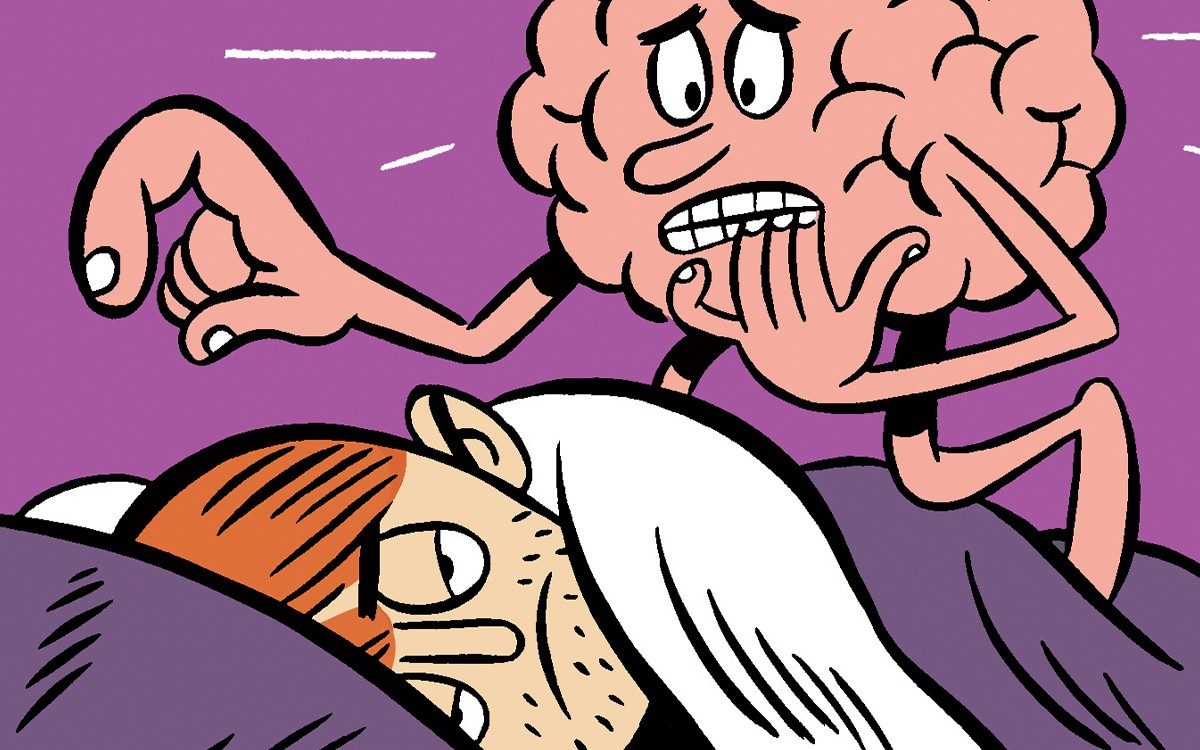
Good sleep is crucial for overall health, with studies showing that poor sleep can lead to various health issues such as hypertension, diabetes, obesity, depression, heart attacks, strokes, and dementia. Sleep scientist Dr. Caroline Horton emphasizes the importance of supporting sleep to avoid these dire consequences. Even if you get the recommended seven to eight hours of sleep each night, there are still disruptors that can affect the quality of your sleep, such as nocturia, fluctuating body temperatures, teeth grinding, snoring, external noise, nighttime pain, and uncontrollable worry.
Nocturia, or waking up during the night to urinate, is a common disruptor, especially as people age or if their pelvic floor muscles have weakened. Strategies to minimize nighttime trips to the bathroom include reducing fluid intake before bed, using the restroom before sleeping, taking diuretic-containing medicines in the morning, taking afternoon naps, elevating legs, and practicing exercises to strengthen pelvic floor muscles. If nocturia occurs, avoid turning on bright lights and try to get back to sleep as quickly as possible.
Fluctuating body temperatures can disrupt sleep, especially if you become too hot during the night. Maintaining a cooler room temperature, wearing light clothing, and using breathable bedding can help regulate body temperature for better sleep. Teeth grinding, known as bruxism, can be related to stress or anxiety. Practicing good sleep hygiene, addressing underlying stress factors, and consulting with a dentist to address dental issues that may contribute to teeth grinding can help alleviate this disruption.
Snoring, often a symptom of obstructive sleep apnoea, can disrupt sleep patterns. Factors such as excess weight, smoking, and heavy drinking can contribute to sleep apnoea. Seeking treatment for sleep apnoea, such as a dental device to open up airways, can help improve sleep quality. External noise can disturb sleep, impacting the various stages of sleep. Using earplugs, white noise machines, or pink noise generators can help mask disruptive sounds and improve sleep quality.
Nighttime pain, also known as “painsomnia,” can be caused by various factors such as changes in hormone levels and joint inflammation. Adjusting sleep position, using supportive bedding, and taking supplements to reduce joint pain can alleviate nighttime discomfort. Lastly, uncontrollable worry can lead to racing thoughts that disrupt sleep. Practicing relaxation techniques, avoiding stimulating activities in bed, and focusing on physical sensations can help calm the mind and promote restful sleep. Overall, addressing these common disruptors can improve the quality of your sleep and support overall health and well-being.