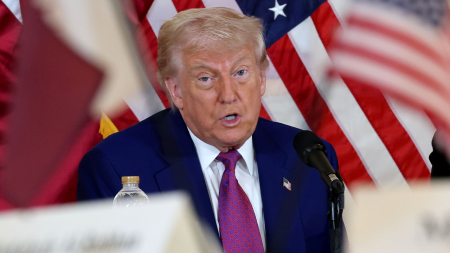




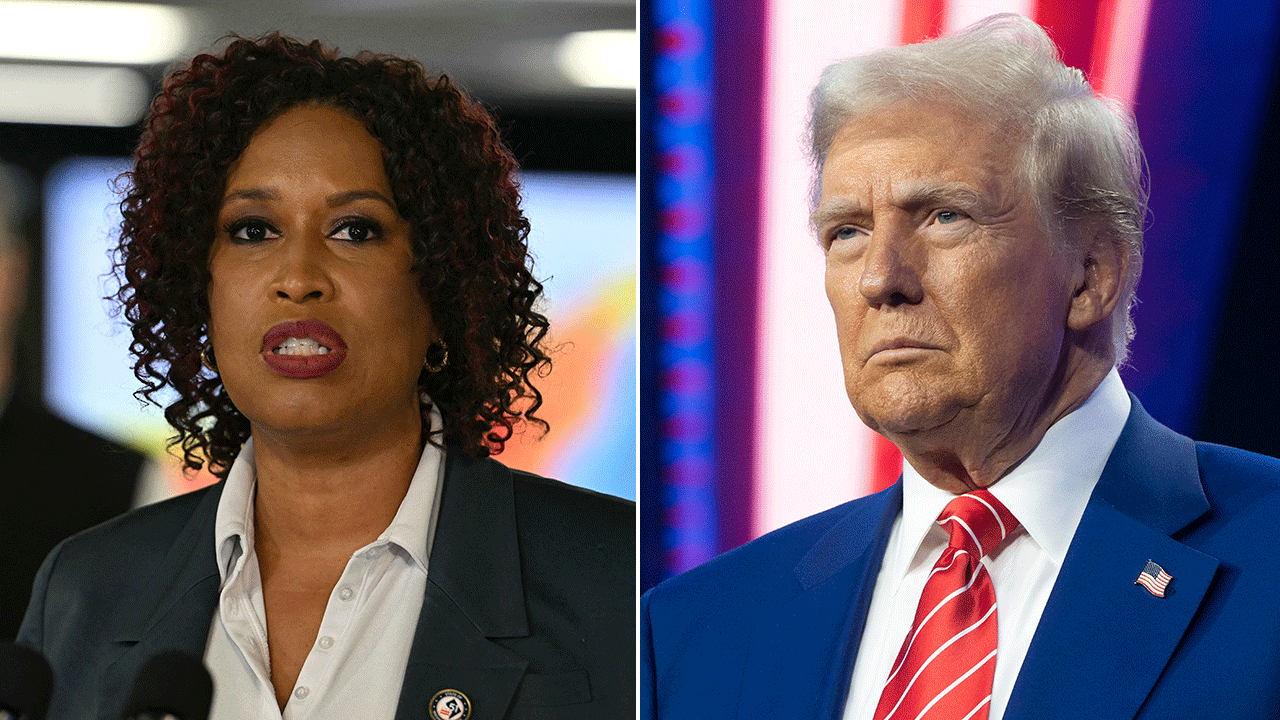
Mayor Muriel Bowser of Washington, D.C. recently met with President-elect Trump to discuss shared priorities for his upcoming term. Despite previously tense relations, especially during the 2020 George Floyd riots, Bowser expressed optimism about finding common ground with Trump in his second term. The mayor highlighted areas such as collaboration between local and federal government, federal workforce, underutilized buildings, parks, green spaces, and infrastructure. She also mentioned the importance of supporting a successful inauguration on January 20. This positive tone marks a departure from Bowser’s earlier messaging towards Trump, particularly regarding federal law enforcement’s role during riots and protests.
D.C. has experienced a significant surge in violent crime in recent years, compared to other large cities in the country, according to Department of Justice data. Notably, a congressional staffer from Texas was recently targeted by armed men during the morning commute in Washington. Trump has promised to revitalize D.C. and other cities that have deteriorated under progressive policies, leading to increased crime rates. This stance was echoed at his campaign rally in New York City, where he pledged to rebuild cities to be safer, cleaner, and more beautiful. The Mayor’s meeting with Trump to discuss shared priorities and areas of collaboration reflects a shift towards addressing issues of crime and safety in the capital.
In contrast to the increase in violent crime seen in recent years, D.C. police and public safety officials have reported a record decrease in crime rates in 2024. Homicides have declined by 32%, violent crime by 35%, and overall crime by 15%. This significant drop in crime levels represents a new 30-year low, according to U.S. Attorney Mathew Graves. Police Chief Pamela Smith and Deputy Mayor for Public Safety Lindsey Appiah credited this decline to better use of technology, including increased CCTV cameras across the city, and a new sweeping crime bill that provided officers with additional tools to combat crime effectively.
The crime bill enacted earlier in the year also made it easier for judges to order pre-trial detention, allowing suspects accused of violent crimes to be held rather than released back onto the streets. This measure has contributed to the turnaround in D.C.’s crime rates, with a focus on holding individuals accountable for violent crimes, particularly involving guns. Both Smith and Appiah emphasized the importance of preventing repeat offenses by keeping violent offenders in custody before trial. The enhanced efforts in crime prevention and law enforcement have led to a significant decrease in crime levels in Washington, contributing to a safer environment for residents and visitors alike.
While Washington, D.C. has faced challenges related to violent crime in recent years, Mayor Bowser’s meeting with President-elect Trump signals a renewed focus on shared priorities for the city’s improvement. The discussions around collaboration between local and federal government, revitalization of underutilized spaces, and infrastructure development highlight a commitment to enhancing the city’s overall appeal and safety. The record decrease in crime rates in 2024 reflects the effectiveness of new strategies implemented by D.C. police and public safety officials, with a notable emphasis on technology, legislation, and enforcement measures aimed at reducing violent crime. As the city continues to address key issues related to crime and safety, the partnership between local and federal authorities offers a promising path towards a safer and more vibrant Washington, D.C.