






A major power outage hit the Balkans on Friday as the region experienced an early heat wave, with temperatures soaring to over 40 degrees Celsius. Montenegro was particularly hard hit, with almost the entire nation left without electricity due to problems in the country’s power distribution system. Similar issues were reported in parts of Croatia, Bosnia, and Albania. The cause of the outage was not immediately clear, but the regional power grid had been overloaded due to overconsumption and the use of air conditioning in the high temperatures.
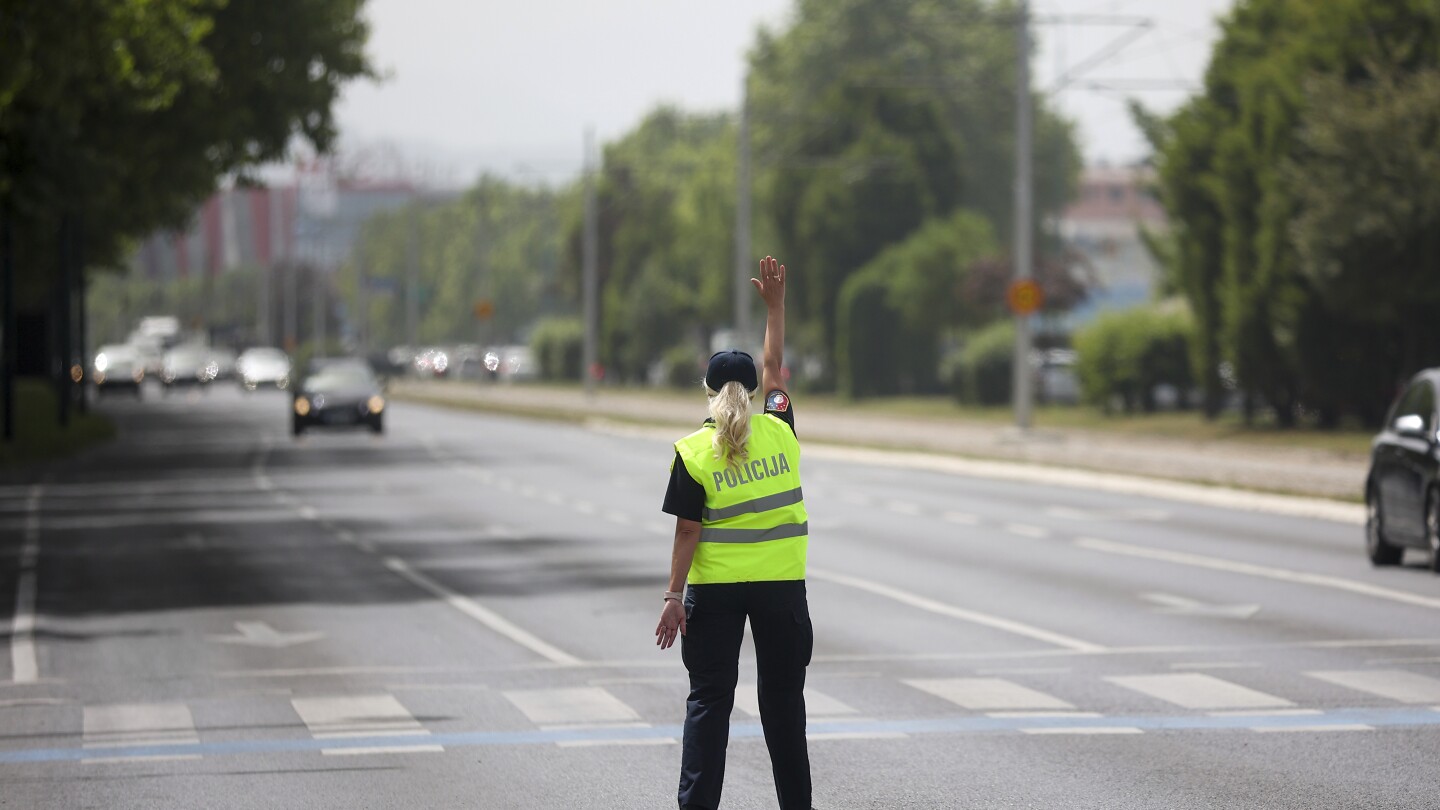
The interconnected power grids in the Balkans, established after the Balkan wars in the 1990s, meant that the outage in one country affected neighboring nations. The head of Croatia’s electric grid networks explained that the interconnected system allowed for the import, export, and sale of power, but also posed a risk as failures could cascade through the interconnected grids. The outage led to traffic disruptions in cities like Sarajevo and Split, as well as leaving tourists stranded in popular destinations like Dubrovnik.
Authorities had warned citizens to take precautions and avoid the extreme heat, with temperatures coming from Africa carrying sand particles that created a haze over the region. The heatwave was particularly severe in urban areas, where concrete retained heat even in the evening. As temperatures remained high through the night, people were advised to stay hydrated and seek shade during the hottest hours of the day. While hot summers are common in the Balkans, the intensity of the heatwave in mid-June prompted weather alerts and warnings across the region.
Emergency measures were put in place in North Macedonia, with authorities imposing weight limits on vehicles to prevent road damage. Residents in Belgrade were urged to stay near the city’s rivers to cool off, and some called for reduced working hours and additional water supplies in the streets. Weather warnings were issued in Croatia, a popular tourist destination, where the heatwave was expected to peak before a change in weather brought relief. Experts pointed to climate change as a factor in the extreme weather conditions affecting the region. Overall, the power outage and heatwave highlighted the vulnerabilities of the Balkans to extreme weather events and the need for preparedness and resilience measures.