



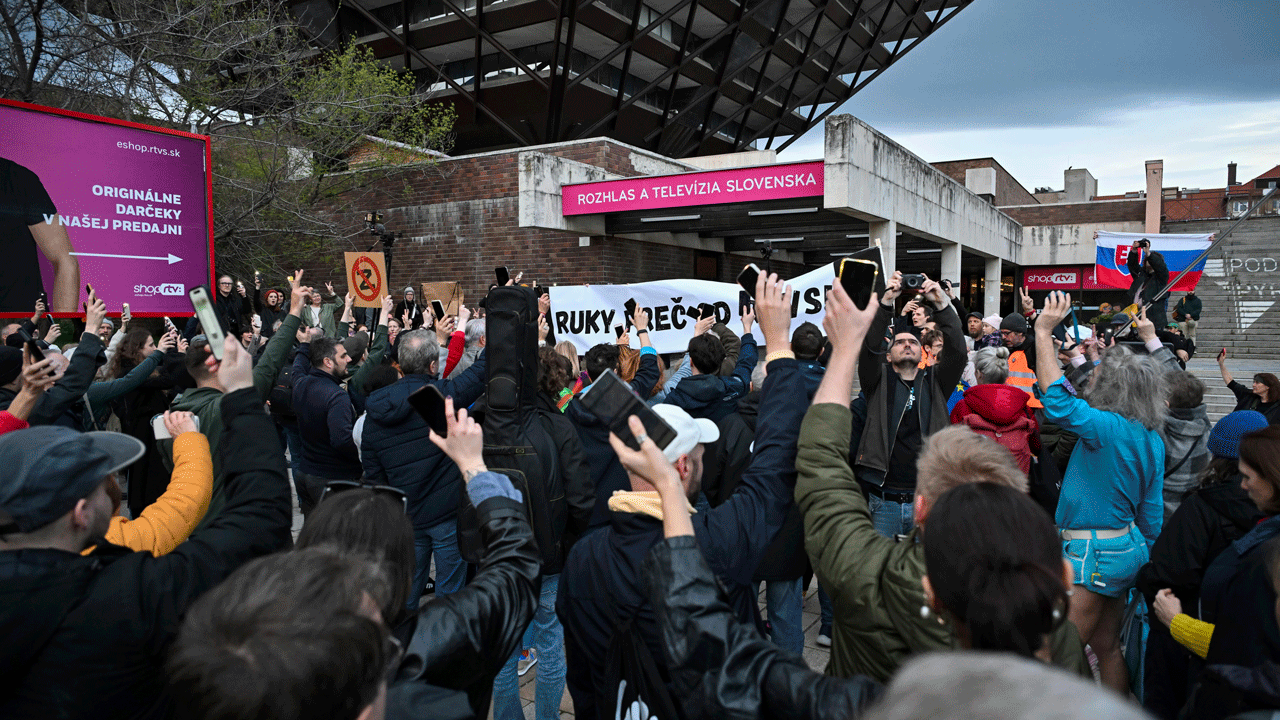
Protesters in Slovakia formed a human chain around the country’s public television and radio building in Bratislava to demonstrate against a government takeover plan that was drafted by Culture Minister Martina Šimkovičová, a member of an ultra-nationalist party in the coalition government. The plan aims to give the government full control of public broadcasting, drawing condemnation from various quarters including President Zuzana Čaputová, opposition parties, local journalists, international media organizations, and the European Commission. Slovak journalists have described the plan as an attack on freedom of the press, adding to existing concerns about Prime Minister Robert Fico’s treatment of journalists and fears that Slovakia may shift towards the authoritarianism witnessed in Hungary under Prime Minister Viktor Orbán.
Šimkovičová justifies the takeover by claiming that the current broadcaster, RTVS, is biased and only presents mainstream views while censoring others. Under her plan, a new organization would replace RTVS, with a seven-member council appointed by the government and parliament selecting the director and having the power to dismiss them without cause. The current director was elected by parliament and is set to remain in office until 2027. Recent protests have seen hundreds rallying outside the RTVS building, unveiling banners reading “HANDS OFF RTVS!” and chanting support for local journalists. These demonstrations come on the heels of previous protests against Fico’s administration, which has faced criticism for its pro-Russian and anti-American stance.
Fico returned to power last year, leading the leftist Smer party to victory in parliamentary elections with a campaign that supported closer ties with Russia and displayed an anti-American sentiment. The government’s plans to take over public broadcasting have sparked nationwide outrage, with protests drawing thousands of participants and gaining support from a range of domestic and international voices. Critics warn that the government’s control over public media could erode press freedom and limit the availability of diverse viewpoints in Slovakia. The move is seen as part of a broader trend towards authoritarianism in the region, exemplified by Orbán’s policies in Hungary and prompting concern among those who advocate for democratic values and freedom of expression.
As the protests continue and pressure mounts on the government to rethink its takeover plan, the situation in Slovakia remains tense and uncertain. The country’s democratic institutions are being put to the test as citizens take to the streets to defend their right to independent and unbiased media. The outcome of this confrontation between the government and its critics will have lasting implications for Slovakia’s democracy and its relationship with the international community. The defiance shown by protesters in Bratislava and other cities across the country reflects a growing determination to resist authoritarian tendencies and uphold the principles of a free and open society.